Raising Real-World Explorers: A Parents Guide to Reducing Screen Time for Preschool Girls
Word count: 968
—
Introduction: Why This Guide Matters
In today’s digital age, screens have become an almost unavoidable part of childhood. For parents of preschool girls—typically aged three to five—the challenge is particularly acute. At this developmental stage, children are like sponges, absorbing language, social cues, and behavioral patterns at an astonishing rate. Yet the average preschooler in many developed countries now spends two to three hours per day in front of a television, tablet, or smartphone. For girls especially, excessive screen time can subtly shape their interests, self-image, and even their willingness to engage in active, imaginative play.
This guide is not about demonizing technology. Instead, it offers a balanced, practical roadmap for reducing screen time while enriching your daughter’s world with hands-on experiences, creative play, and meaningful family interactions. The goal is to help you transform screen habits into real-world adventures—one small, joyful step at a time.
—
Why Preschool Girls Are Especially Vulnerable to Screen Overload
Preschool girls are uniquely susceptible to the allure of screens for several reasons. First, many popular apps and shows are designed with bright colors, repetitive songs, and instant rewards—features that hook young brains before they have developed self-regulation skills. Second, girls at this age are beginning to form gender identity and social expectations. Screens often present narrow, stereotyped images of femininity: princesses who need rescuing, dolls that never get dirty, or cooking shows where only girls help in the kitchen. Over time, this can limit the range of roles she envisions for herself.
Third, excessive screen time displaces critical activities: climbing trees, building block towers, negotiating pretend scenarios with friends, or simply staring at clouds. These unstructured, physical, and social experiences are the building blocks of executive function, empathy, and motor skills. For preschool girls, who are often socialized to be quieter and more compliant than boys, screens can become an easy pacifier—but one that robs them of the messy, noisy, wonderful work of childhood.
—
Practical Strategies to Reduce Screen Time
Reducing screen time doesn’t mean banning technology overnight. It means creating a family environment where real-world activities naturally feel more appealing. Here are five strategies that work especially well with preschool girls.
1. Create “Screen-Free Zones” and “Screen-Free Hours”
Start by designating physical spaces where screens are never allowed. The best go-to zones are the dining table (mealtimes are for conversation) and the child’s bedroom (keeping screens out of the bedroom improves sleep quality and reduces nighttime temptation). Additionally, establish one or two daily “screen-free hours”—for instance, the first hour after breakfast and the last hour before dinner. During these times, model screen-free behavior: put your own phone away, pull out a puzzle, or start kneading dough for bread. When your daughter sees you actively choosing the real world, she will naturally follow.
2. Replace Passive Viewing with Active Choices
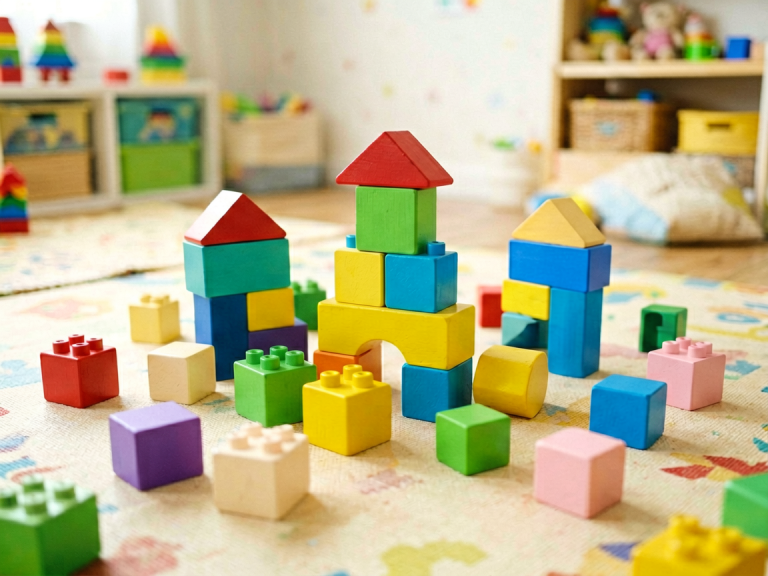
Instead of saying “No more shows,” offer her a menu of engaging alternatives. Preschool girls respond beautifully to open-ended play that encourages imagination. Keep a low shelf stocked with dress-up clothes (old scarves, hats, costume jewelry), art supplies (washable markers, clay, safety scissors), and building materials (large Lego blocks, cardboard boxes, fabric scraps). Rotate these items every few weeks to maintain novelty. When she asks for the tablet, gently redirect: “Let’s first make a crown for the cat, and then we can watch one short video together.” The goal is to make the non-screen option feel like a treat, not a punishment.
3. Use Technology Intentionally, Not Passively
If you do allow screen time, make it count. Choose high-quality, non-commercial content that encourages participation rather than passive consumption. For example, interactive storytelling apps that let your daughter record her own voice, or simple drawing programs that respond to finger swipes. When watching a show, watch alongside her and ask questions: “Why do you think the bunny is sad? How could she feel better?” This transforms screen time into a shared, language-rich experience. Set a timer so she knows exactly when it ends—and stick to it. Predictability reduces meltdowns.
4. Build a “Yes” Environment for Physical Play
One reason preschool girls gravitate towards screens is that the real world can feel restrictive: “Don’t get dirty!” “Be careful!” “Stay quiet!” To counter this, create an outdoor or indoor space where she can be loud, messy, and physically active without constant correction. A small backyard sandbox, a “painting wall” with washable paint, or a designated dancing area with music all invite movement. When a girl learns to love the feeling of her own strength—climbing, spinning, jumping—screens lose their magnetic pull.
5. Involve Her in Household Routines
Preschool girls are naturally eager to help. Use this to your advantage. Let her “wash” plastic dishes at the sink (with a stool), sort laundry by color, water plants, or stir batter. Not only do these activities reduce screen time, but they also build confidence, fine motor skills, and a sense of contribution. Frame it as playing: “Let’s play kitchen helper! You can wipe the table while I put away the groceries.” The key is to be patient—accept that the floor will get wet and the job will take twice as long. That is a small price for a screen-free, hands-on learning moment.
—
What to Do When Screens Are Unavoidable
There will be times when a screen is the only practical option: a long car ride, a doctor’s waiting room, or a day when you are sick. In those moments, set clear boundaries. Use a visual timer so she understands how long the screen time will last. Offer a reward for turning it off calmly (a sticker, a special story, or a dance party). Avoid using screens as a bribe or punishment, as that only increases their perceived value. Instead, treat them as a neutral tool—useful sometimes, but never more valuable than a hug, a walk, or a shared laugh.
—
The Role of Parental Modeling
Perhaps the most powerful tool in your parenting toolkit is your own behavior. Preschool girls are keen observers. If you are constantly checking your phone during playtime, scrolling through social media at meals, or watching television while she looks on, you are teaching her that screens are the most interesting thing in the room. Conversely, when she sees you reading a paper book, gardening, cooking from scratch, or having a face-to-face conversation with a friend, she absorbs the message that real life is rich and rewarding.
A practical step: create a “family screen contract” visible on the fridge. Agree together that at certain times—like during meals, playtime, and before bed—everyone in the family puts away screens. Yes, even you. Let her be the “screen monitor” who reminds you to put your phone in the basket. Giving her ownership of the rule makes her far more likely to follow it herself.
—
Handling Resistance and Tantrums
Expect pushback. Reducing screen time is like withdrawing a powerful stimulant, and your preschool girl may respond with tears, pleading, or even anger. This is normal. Prepare yourself by having a script ready: “I know you really want to watch another cartoon. It’s hard to stop. Let’s go outside and see if the ants are still marching.” Validate her feelings without giving in. Then, immediately engage her in a highly appealing alternative—a bubble-blowing session, a flashlight hunt in the dark hallway, or a silly dance to a favorite song.
If tantrums occur, stay calm and consistent. Do not reintroduce the screen as a way to soothe her. Instead, offer a hug, a glass of water, and a quiet corner with a few picture books. Over the course of a week or two, her brain will recalibrate, and the resistance will fade. She will begin to discover the deep satisfaction of building a pillow fort, painting a rock, or telling herself a story out loud.
—
The Long-Term Benefits of Less Screen Time
The most immediate benefit you will notice is improved mood and attention. Without the constant dopamine hits of fast-paced videos, your daughter will learn to tolerate boredom—and boredom is the mother of creativity. She will invent games, ask deeper questions, and develop longer attention spans.
You may also see improvements in sleep, vocabulary, and social skills. A girl who spends afternoons playing with siblings or neighbors rather than swiping on a tablet learns how to negotiate sharing, read facial expressions, and resolve small conflicts. These are skills no app can teach. Finally, by reducing screen time now, you are building a foundation for healthier habits that will carry her into elementary school and beyond.
—
Conclusion: Start Small, Stay Consistent
You do not need to overhaul your entire life overnight. Pick one or two strategies from this guide—perhaps designating the dinner table as a screen-free zone, or starting a daily “no screens before lunch” rule. Implement them for two weeks, then adjust. Celebrate small victories: a whole afternoon without a single video, a messy art project that she completed on her own, a spontaneous imagination game that went for an hour.
Remember that the goal is not perfection, but connection. Every minute you replace a screen with a hug, a shared story, a muddy puddle stomp, or a whispered secret is a minute that strengthens your relationship and enriches her inner world. The real world—with all its textures, sounds, smells, and surprises—is infinitely more interesting than anything a screen can offer. Your job is simply to help her discover that truth, one joyful day at a time.