The Art of Playroom Organization: A Parent’s Guide to Fostering Creativity, Independence, and Calm
Every parent knows the scene: a once-tidy playroom devolves into a chaotic sea of plastic bricks, half-colored pages, and orphaned puzzle pieces within minutes of playtime. While the mess is a natural sign of a child’s engagement, the aftermath can leave both parent and child feeling overwhelmed. However, playroom organization is not merely about aesthetics or adult convenience. When approached thoughtfully, it becomes a powerful tool for child development. By designing a system that is intentional, accessible, and adaptable, parents can transform their children’s play spaces into catalysts for creativity, independence, and emotional regulation. This article explores how parents can use playroom organization—not as a chore, but as a strategic framework that supports learning, reduces stress, and nurtures lifelong skills.
—
The Psychological and Developmental Benefits of a Well-Organized Playroom
Children thrive in environments that provide order and predictability. A well-organized playroom offers more than visual calm; it sends a subtle message that the space is manageable and safe. When toys are grouped by category, stored in clear containers, and placed at a child’s eye level, the child gains a sense of control over their surroundings. This control is foundational for developing executive function skills such as planning, decision-making, and self-regulation.
Moreover, an organized environment reduces cognitive overload. A mountain of toys dumped in a bin can overwhelm a young child, leading to fragmented play and quick frustration. In contrast, a curated selection of toys displayed neatly invites focus and deeper engagement. For example, a shelf with a few puzzles, building blocks, and art supplies encourages the child to choose one activity and stick with it. This selective attention is a precursor to sustained concentration later in academic settings.
Emotionally, a tidy playroom can serve as a sanctuary. When children know where to find their favorite stuffed animal or where to return a book, they experience a sense of security. Parents who involve children in the organizing process also teach emotional regulation: the routine of “clean-up time” becomes a ritual that helps transition from high-energy play to calmer activities. Thus, playroom organization is not about imposing adult standards but about creating a nurturing environment that respects a child’s developmental needs.
—
Practical Strategies for Playroom Organization That Work
To turn theory into practice, parents need concrete strategies that are both effective and sustainable. The following approaches emphasize accessibility, visibility, and flexibility.
1. Zone the Room by Activity Type
Rather than arranging furniture arbitrarily, divide the playroom into distinct zones: a building zone for blocks and construction toys, a creative zone for art and crafts, a quiet zone for reading, and a pretend-play zone for costumes and kitchen sets. Each zone should have dedicated storage that matches its purpose. For instance, use a low, open shelving unit for the building zone, a rolling cart for art supplies, and a small bookshelf with a cozy rug for reading. Zoning helps children associate specific behaviors with specific areas, reducing aimless wandering and encouraging purposeful play.
2. Use Clear, Labeled Containers at Child Height
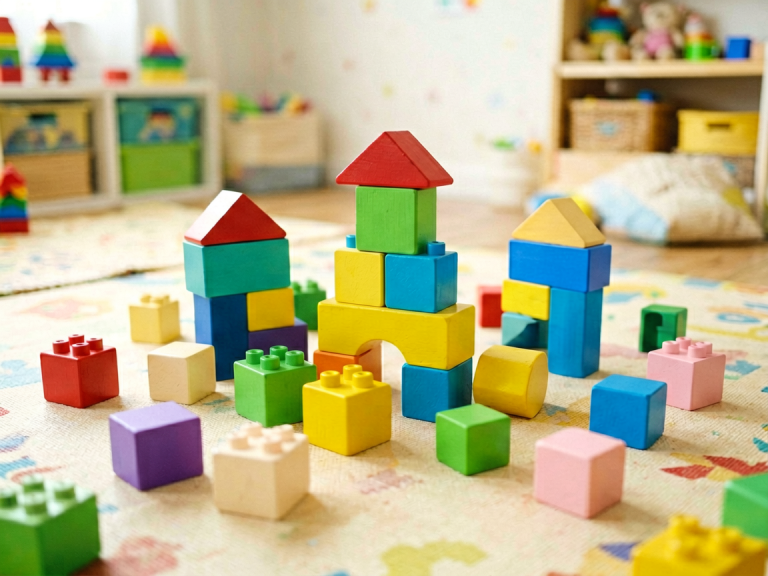
Storage bins that are opaque or stacked high only frustrate small hands. Instead, opt for transparent bins with easy-to-grip lids. Label each bin with both words and images (for pre-readers). Place these bins on low shelves or in cubbies that a three-year-old can reach without assistance. This simple change empowers children to both retrieve and return items independently. For small pieces like Lego bricks or puzzle pieces, use compartmentalized trays or tackle boxes so that each type has its own spot.
3. Rotate Toys Regularly to Combat Overstimulation
One of the most effective yet underused strategies is toy rotation. Parents can maintain a “backup” stash of toys in a closet or garage, and cycle a selection of 10–15 toys into the playroom every two to four weeks. This keeps the playroom feeling fresh and prevents the sensory overload of too many options. When a toy returns after a few weeks away, it often holds renewed interest. Rotation also makes clean-up easier, as fewer items mean less mess, and it helps parents identify which toys are truly loved and which can be donated.
4. Create a “Putting Away” Station
Rather than fighting the inevitable daily mess, design a designated area where children can temporarily stash unfinished projects. A shallow tray on a low table or a “work in progress” shelf saves the child’s castle or puzzle from being dismantled while still maintaining order elsewhere. This validates the child’s effort and teaches that organization can accommodate creative continuity.
—
Using Organization to Foster Independence and Responsibility
Perhaps the greatest gift of a well-organized playroom is the independence it cultivates. When children can locate what they need and return it without adult intervention, they develop a sense of competence and ownership. Parents can actively foster this by embedding simple routines into the daily flow.
1. The “Clean-Up Time” as a Game
Teaching organization does not have to be a battle. Turn clean-up into a game: set a timer for five minutes, play a favorite song, or challenge siblings to see who can put away the most items. Use visual cues like a “closing time” chart that shows which zones need to be tidied. Over time, the expectation becomes second nature. The key is consistency—even if the room isn’t museum-perfect, the process of returning toys to their labeled homes reinforces spatial memory and responsibility.
2. Assigning Ownership of Specific Zones
Give each child a small area of the playroom that is “theirs” to manage. This could be a personal cubby, a drawer, or a section of a shelf. When children feel ownership, they are more likely to take pride in keeping it orderly. For older children, parents can introduce a weekly “playroom check” where they inspect each zone and offer positive reinforcement or gentle corrections. This builds accountability without nagging.
3. Modeling Organizational Behavior
Children learn by watching. If parents demonstrate the habit of putting items back after use—not just in the playroom but throughout the house—the message is consistent. When a parent finishes a book, they return it to the shelf; when they finish a snack, they put the plate in the sink. These small acts teach children that organization is a shared value, not a punishment.
—
How Organization Enhances Creativity and Focus
Some parents worry that too much organization will stifle a child’s natural creativity. In reality, the opposite is true. A structured environment actually frees the mind to explore. When the mind is not taxed by visual clutter or the effort of hunting for materials, it can devote more energy to imagination.
1. The Role of “Open-Ended” Storage
Not all organization needs to be rigid. For open-ended toys like loose parts, natural materials, or art scraps, use flexible storage that encourages exploration. A set of small baskets or a “maker’s cart” can hold buttons, fabric scraps, yarn, and beads. These items are organized by type but not by specific use, allowing children to combine them in novel ways. The organization here serves as a launchpad for creativity rather than a constraint.
2. Limiting Choices to Boost Deep Play
Research in cognitive psychology suggests that too many choices can lead to decision paralysis, even for adults. For children, an overstuffed playroom can lead to superficial play—flitting from one toy to another without ever immersing. By using organization to present a curated selection, parents encourage “deep play.” For example, instead of an entire shelf of board games, put out two or three that are age-appropriate and rotate them weekly. The focused selection invites mastery and imaginative variations.
3. The Creative Potential of a “Blank Canvas”
Organizing does not mean filling every inch with storage. Leave some empty floor space—a large rug where children can build forts, dance, or simply lie down and daydream. A playroom that is too crammed with furniture limits physical movement. Organization should include the deliberate absence of clutter, which gives children the freedom to transform the space for their own imaginative games.
—
Maintenance Habits and Involving Children in the Process
A perfectly organized playroom is not a one-time project; it is an evolving system that requires maintenance. The key is to make this maintenance a shared, low-stress routine.
1. The “Five-Minute Tidy” Before Each Transition
Parenting experts recommend instilling a brief tidying habit before every major transition—leaving the house, eating a meal, or starting a new activity. Set a timer for five minutes and involve everyone. This prevents the room from reaching a state of chaos that feels discouraging. It also teaches children that order is not a once-a-week disaster cleanup but a constant, manageable habit.
2. Regularly Purge and Donate
Every few months, set aside a Saturday morning to review the playroom together. Ask children to choose which toys they no longer play with. Frame this as an act of generosity: “Let’s find toys that other children will love.” This builds empathy and prevents the accumulation that undermines organization. Keep a donation bin in the playroom itself so that as soon as a toy is outgrown, it can be placed there immediately rather than cluttering the shelves.
3. Adapt the System as Children Grow
A toddler’s playroom looks very different from a school-age child’s. Parents should reassess their organization system at least twice a year. Younger children need simple, large bins with pictures; older children can handle labeled drawers with small compartments for craft supplies, trading cards, or school projects. Involving the child in the redesign gives them a sense of agency and ensures the system matches their evolving interests and capabilities.
—
Adapting Organization for Different Age Groups
Effective playroom organization is not one-size-fits-all. The method that works for a two-year-old will frustrate an eight-year-old, and vice versa.
For Toddlers (1–3 years): Focus on safety and accessibility. Use heavy, tip-proof furniture and soft, round-edged bins. Avoid small parts that can be a choking hazard. Store toys in low, open cubbies so toddlers can see and reach them. Rotate toys frequently because attention spans are short. Limit the number of choices to four or five items at a time. A simple visual schedule (pictures showing where blocks go, where books go) can start introducing the concept of organization.
For Preschoolers (3–5 years): Introduce labels with both pictures and words. Use small baskets for categories like “cars,” “dolls,” “puzzles.” The clean-up routine can include a “special helper” song. At this age, children love to match items to pictures, so a shadow board (outlining the shape of each toy on the shelf) works brilliantly. Keep art supplies in a rolling cart that can be moved to a child-size table.
For School-Age Children (6–10 years): This age thrives on autonomy. Use clearly labeled bins for different categories (science kits, building sets, board games, craft supplies). Introduce a binder system for art and school projects, and a designated homework zone within or adjacent to the playroom. Encourage older children to create their own labeling system, even with a label maker. They can also help younger siblings with clean-up, building leadership skills.
For Preteens (11+): The playroom may transform into a hangout or creative studio. Organization should now accommodate electronics, hobby supplies (e.g., painting, model building, musical instruments), and personal collections. Use modular shelving that can be reconfigured. Prioritize comfort and personalization—allow the child to decide how to arrange their space, as long as it remains functional. At this stage, organization is less about parental control and more about providing tools for self-management.
—
Conclusion: The Playroom as a Living Classroom
A well-organized playroom is far more than a neat space—it is a living classroom where children learn to make choices, manage resources, and respect their environment. Parents who invest time in thoughtful organization are not just fighting clutter; they are building a framework for their children’s cognitive and emotional growth. By zoning the room, using clear storage, rotating toys, and involving children in the process, any parent can turn the daily chore of cleanup into a valuable developmental opportunity. The goal is not perfection—a turned-over basket or a forgotten puzzle is inevitable. Instead, the goal is a system that is flexible, child-centered, and joyfully functional. When the playroom works for both parent and child, play becomes deeper, independence blossoms, and home feels calmer for everyone.