Nurturing Little Minds: A Parent’s Guide to Supporting Learning at Home for Babies
Introduction
From the moment a baby enters the world, their brain is already hard at work, absorbing every sight, sound, smell, touch, and taste. As parents, we often wonder: “What can I really do to help my baby learn at home?” The answer is both simpler and more profound than many realize. Early learning is not about flashcards, structured lessons, or pushing milestones. It is about creating a warm, responsive environment where a baby feels safe, loved, and curious. This guide will help you understand how your baby’s brain develops in the first year and offer practical, research-informed strategies you can weave into your daily routines. You are your baby’s first and most important teacher, and the support you provide at home lays the foundation for a lifetime of learning.
Understanding How Babies Learn
Babies are born with an innate drive to make sense of their world. Their learning happens through all five senses, through movement, and through emotional connection with caregivers. During the first twelve months, the brain grows at an astonishing rate, forming more than one million new neural connections every second. These connections are built not by passive instruction but by active exploration and interaction.
The Sensory Foundation
A newborn’s vision is blurry, but they are intensely drawn to high-contrast patterns and, most of all, to human faces. Their hearing is fully developed, and they prefer the sound of their mother’s voice above all others. Touch is a primary channel for communication—gentle strokes, skin‑to‑skin contact, and warm hugs release oxytocin, a hormone that promotes bonding and reduces stress. Taste and smell also play a role; breastfed babies, for example, learn to recognize different flavors from their mother’s diet. By understanding these sensory pathways, you can offer experiences that naturally support learning.
The Role of Movement and Exploration
Babies learn by doing. A two‑month‑old who kicks their legs and sees a mobile move begins to understand cause and effect. A six‑month‑old who reaches for a rattle practices hand‑eye coordination and the concept of object permanence. Crawling, scooting, and eventually walking are not just motor milestones—they are cognitive leaps that allow a baby to explore space, distance, and problem‑solving. Encouraging safe, free movement is one of the most powerful ways to support learning.
Creating a Stimulating Home Environment
Your home does not need to be a classroom full of expensive educational toys. In fact, the best learning environment is one that is safe, predictable, and rich in opportunities for exploration.
Safe Spaces for Discovery
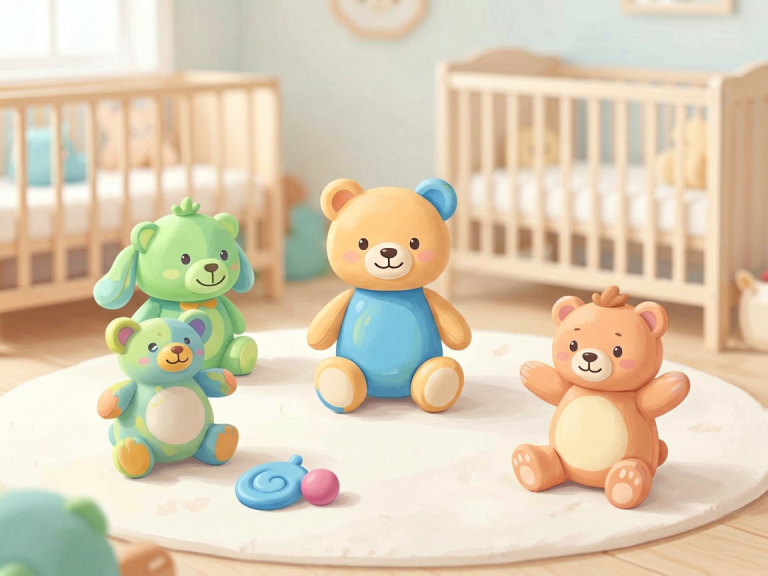
Designate a small area on the floor with a soft mat or blanket where your baby can lie on their back, roll over, and later sit and crawl. Remove hazards such as sharp edges, small objects, or cords. Place a few carefully chosen items within reach: a wooden spoon, a soft cloth, a crinkly toy, or a mirror. Simple, everyday objects are often more interesting to a baby than complex electronic toys because they invite open‑ended exploration. Rotate toys every few days to maintain novelty without overwhelming them.
The Power of Visual and Auditory Stimulation
Hang a black‑and‑white or high‑contrast picture near the changing table. Place a mobile with moving shapes above the crib—but make sure it is out of reach and removed once the baby can push up or sit, to prevent accidents. Sing or play gentle music throughout the day. Classical music, lullabies, and even simple nursery rhymes with repetitive rhythms help the brain recognize patterns, which is fundamental for language and math skills later on. However, avoid constant background noise. Silence is also important—it allows your baby to focus on the sounds they make themselves and on the natural sounds of the environment.
Everyday Activities That Boost Learning
Learning doesn’t require a special “lesson time.” It happens naturally during feeding, diaper changes, bath time, and play. Here are some simple, evidence‑based activities you can incorporate into your daily routine.
Talking, Singing, and Reading Aloud
From birth, talk to your baby as if they understand every word. Describe what you are doing: “Now I am putting on your soft blue socks. Look, we are going to the window. Can you see the tree outside?” This “parentese”—a natural, exaggerated, high‑pitched, slow speech—captures your baby’s attention and helps distinguish individual sounds. Sing nursery rhymes and lullabies, even if you think you are off‑key. Repetition of songs like “Twinkle, Twinkle, Little Star” builds memory and rhythm. Reading books with bright pictures and simple text, even for just a few minutes a day, introduces the idea of story, page‑turning, and the joy of shared attention. Board books with mirrors, textures, or flaps are especially engaging for babies.
Tummy Time and Movement Play
Tummy time is crucial for developing neck, shoulder, and arm strength, which are prerequisites for crawling and later fine‑motor skills. Start with a few minutes several times a day, placed on a firm, flat surface. Lie down facing your baby, or place a small mirror in front of them to encourage looking up. As your baby grows, encourage rolling, reaching for toys, and eventually crawling. Create simple obstacle courses using pillows or boxes for older babies to crawl over. Remember, every baby develops at their own pace—avoid comparing your child to others and celebrate their unique progress.
Sensory Play
Sensory bins are easy to make and endlessly fascinating. For a baby who can sit up, place a shallow tray with items like dry rice (supervised carefully to avoid choking), water in a small bowl, or soft, clean scarves. Let them explore with their hands and mouth—mouthing is a primary way babies learn about texture and taste. Always supervise closely and remove any items that could be a choking hazard. Sensory play stimulates multiple brain regions at once and helps develop fine‑motor control.
The Power of Responsive Interaction
Perhaps the single most critical factor in a baby’s learning is the quality of their interaction with caregivers. Responsive interaction means noticing your baby’s cues—cooing, crying, reaching, turning away—and responding in a warm, consistent manner.
Serve and Return
The “serve and return” metaphor, coined by researchers at Harvard’s Center on the Developing Child, describes the back‑and‑forth exchange between parent and baby. When your baby coos, you coo back. When you make a funny face and they smile, you smile bigger. These small interactions build neural circuits for communication and emotional regulation. If your baby looks away or becomes fussy, respect that cue: they may be tired or overstimulated. Pausing and waiting for your baby to initiate again is just as important as engaging.
Building Secure Attachment
When a baby knows that their needs will be met—hunger, discomfort, or simply the need for closeness—they develop a sense of trust and security. This secure attachment is the foundation for every later learning experience. Babies who feel safe are more willing to explore their environment, knowing that they have a “home base” to return to. Hold your baby, carry them in a carrier, and respond to crying promptly. You cannot spoil a baby in the first year; rather, you are wiring their brain for resilience and confidence.
Supporting Language Development from Birth
Language is not taught; it is absorbed through meaningful interaction. The number of words a baby hears in their first year is one of the strongest predictors of later vocabulary and reading success. But quality matters more than quantity.
The Magic of Conversation
Engage in “conversations” even before your baby can speak. Pause after you say something, as if waiting for a reply. That pause teaches turn‑taking. Narrate your daily life: “Now we are putting on your diaper. First we open the tabs. Oh, you are kicking your legs—that is fun!” Use a warm, expressive tone. Avoid “baby talk” that is nonsense—simply using a higher pitch and exaggerated vowels is fine. Also, use real words. Research shows that labeling objects (“This is a ball”) helps babies build categories in their minds.
Sign Language and Gestures
Many parents find that teaching a few simple signs—like “more,” “all done,” “milk,” or “sleep”—can reduce frustration and accelerate communication. Babies often develop the motor control to gesture (waving, pointing, signing) before they can produce words. Pointing is especially important: when a baby points and you name the object, you create a “joint attention” moment that is critical for language learning. Start with a gesture like “bye‑bye” and add two or three consistent signs from around six months of age.
Nurturing Motor Skills Through Play
Motor development and cognitive development are deeply intertwined. A baby who can crawl gains a new perspective on the world; a baby who can grasp a small object practices precision and problem‑solving.
Fine Motor Skills
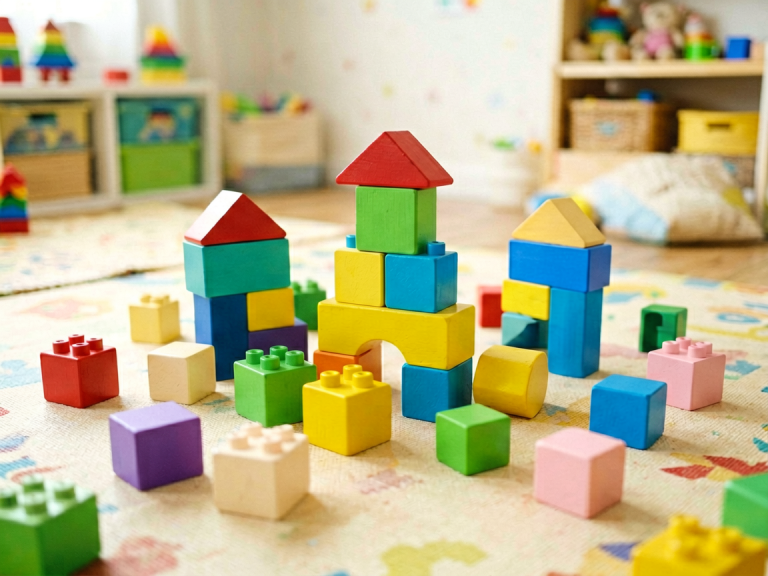
Encourage reaching and grasping by dangling a soft toy just beyond your baby’s reach. Offer toys of different sizes and shapes, such as blocks, rings, and rattles. As your baby approaches their first birthday, provide opportunities for pincer grasp: offer small, soft, safe items like a Cheerio or a piece of cooked carrot. Finger foods that require picking up also strengthen hand muscles. Avoid over‑using baby containers (bouncy seats, swings) for long periods, as they restrict free movement.
Gross Motor Skills
Place your baby on their tummy, back, and side throughout the day. When they start to push up on their arms, place a favorite toy just in front of them to encourage weight shifting. For babies learning to sit, prop them with pillows or sit behind them and provide gentle support. Once they are sitting independently, place toys slightly out of reach to encourage twisting and reaching. As they start to pull up to stand, secure furniture and provide safe opportunities to practice cruising. Remember that bare feet are best for developing balance and proprioception—the sense of body position.
Establishing Routines and Sleep for Optimal Learning
A tired baby cannot learn effectively. Sleep is when the brain consolidates memories, processes new information, and grows. Establishing a predictable daily routine helps babies feel secure and regulated, which in turn supports attention and curiosity.
Creating a Flexible Schedule
Babies thrive on predictability because it helps them anticipate what will happen next. A simple routine might include waking, feeding, playtime, a short nap, then another feeding and play session. You don’t need a minute‑by‑minute schedule, but try to keep the order of events consistent. For example, after a nap, always have a few minutes of quiet play before feeding. This predictability allows the brain to form expected patterns.
Sleep Environment and Hygiene
Ensure the sleeping area is dark, quiet, and cool. Use white noise if needed to block out household sounds. Put your baby down drowsy but awake when possible, to encourage self‑settling. A well‑rested baby is more alert and responsive during wakeful periods, making learning interactions more fruitful.
Avoiding Overstimulation and Respecting Cues
It is tempting to fill every moment with stimulation, but babies need downtime just as much as engaging activity. Overstimulation can lead to fussiness, crying, and difficulty sleeping.
Reading Your Baby’s Signals
Watch for signs of overstimulation: turning the head away, arching the back, hiccuping, yawning, or becoming unusually quiet and still. When you see these signals, reduce stimulation. Dim the lights, stop talking, and hold your baby calmly. Offer a pacifier or a gentle rock. Sometimes the best “learning activity” is simply being held in a quiet room, letting your baby’s brain process the experiences of the day.
Balance is Key
A balanced day includes active play, quiet time, social interaction, and solitary exploration. Trust your instincts: you know your baby better than any guidebook. If a new activity makes your baby cranky, stop and try again another day. Learning should feel joyful, not stressful.
Conclusion
Supporting your baby’s learning at home is not about achieving milestones or creating a prodigy. It is about being present, responsive, and curious alongside your baby. Your voice, your touch, your smile—these are the most powerful learning tools in the world. By creating a safe, loving environment and engaging in simple, everyday interactions, you are giving your baby the best possible start. Remember, every baby develops at their own pace. Trust the process, enjoy the journey, and know that the time you invest in these early months is building a brain that will continue to blossom for a lifetime. You’ve got this.