Nurturing the New Explorer: A Parent’s Guide to Supporting Learning at Home for Your 6-Month-Old
—
Understanding Your 6-Month-Old’s Developmental Milestones
At six months, your baby is no longer a passive recipient of the world. She has become an active, curious explorer. She can sit with support, reach for objects, transfer toys from one hand to the other, and perhaps even roll from back to tummy. Her vision has sharpened to near-adult clarity, and she is fascinated by faces, colors, and contrasts. She babbles, laughs, and responds to her name. This period is a golden window for learning—a time when the brain is forming connections at an astonishing rate, roughly 1 million new neural synapses per second. As a parent, you are her first and most important teacher. Your home environment, your interactions, and your gentle guidance can profoundly shape her cognitive, motor, social, and emotional development. This guide will walk you through evidence-based, practical strategies to support your six-month-old’s learning at home, all while nurturing the deep bond that makes learning possible.
—
Creating a Safe and Stimulating Learning Environment
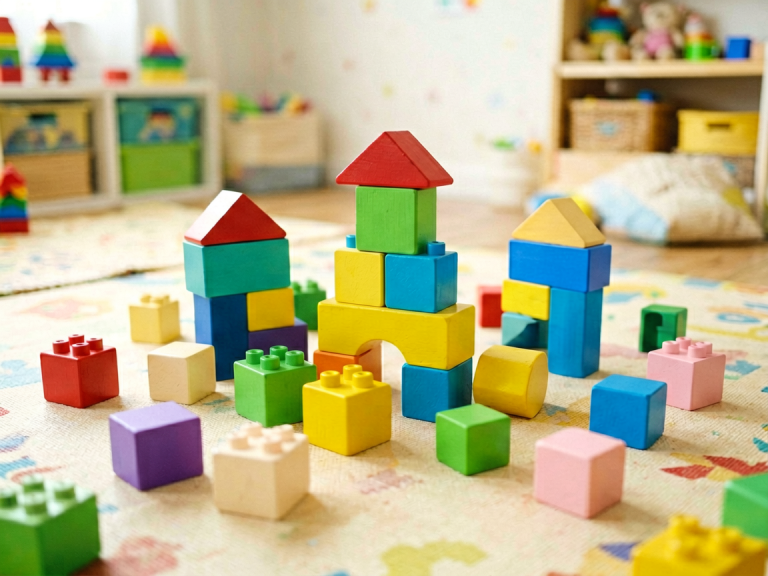
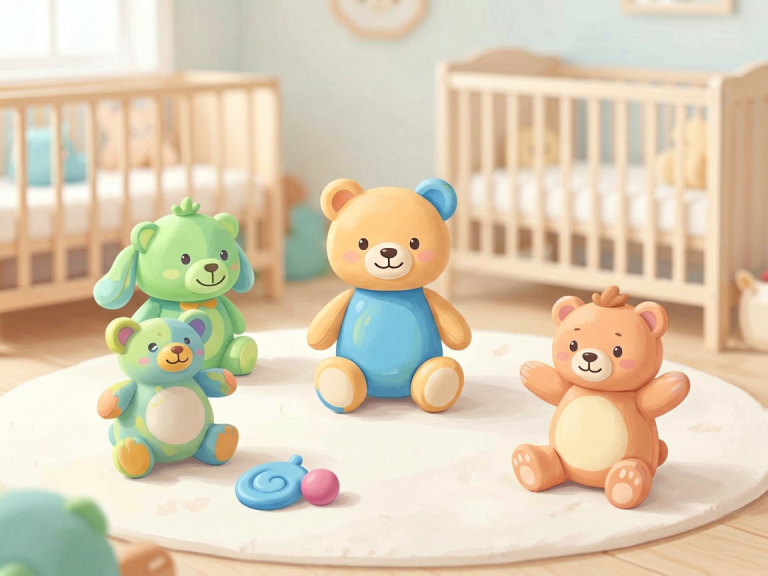
Before any learning can happen, your baby needs a space that is both physically safe and cognitively inviting. Start by baby-proofing a low-traffic area of your home. Remove sharp edges, secure electrical cords, ensure that small objects (choking hazards) are out of reach, and cover outlets. A soft, clean play mat or rug on the floor provides a comfortable base.
The Power of Simple Toys
At this age, less is more. Your baby does not need expensive electronic gadgets. Instead, offer a few high-contrast objects: a black-and-white patterned ball, a red rattle, a wooden ring, or a soft cloth book with crinkly pages. Rotate toys every few days to maintain novelty. Place a mirror at ground level so she can explore her own reflection—this supports self-awareness and visual tracking.
Using the Senses
Every object in her environment becomes a learning tool. Hang a colorful mobile above her play mat (out of reach, but visible). Position it so she can bat at dangling rings or bells. Keep a basket of safe, natural objects: a large wooden spoon, a clean sock with a bell inside, a piece of satin fabric. Let her explore textures, temperatures, and weights. Remember: your presence is the most important “toy.” When you sit beside her, describe what she sees. “You found the red ball! It feels smooth, doesn’t it?” This simple narration builds vocabulary and attachment.
—
Sensory Play: The Foundation of Early Learning
Babies learn through their senses. At six months, sensory exploration is not just play—it is how the brain organizes information about the world. Sensory play supports fine motor skills, cause-and-effect understanding, and problem-solving.
Safe Sensory Bins
Fill a shallow dish with dry oatmeal, cooked pasta (cooled), or water. Sit behind your baby and help her grasp, squeeze, and splash. Always supervise closely. Name the sensations: “The pasta is slippery! The water feels wet.” This builds language and neural pathways.
Taste and Smell
During supervised feeding, let her smell a lemon, a piece of banana, or a sprig of mint (not to eat, just to sniff). If she is starting solids, present foods with distinct textures and colors. Let her touch mashed avocado or steamed carrot stick (large enough to grip). Be prepared for mess—that mess is evidence of intense learning.
Auditory Games
Shake a rattle near her ear (not too close), then move it away. Does she turn her head? Play simple rhythm games: tap your fingers on the table, then on her tummy. Sing the same short song every day; repetition helps her predict patterns. Use different voices—high-pitched, low-pitched, whisper. Her brain is mapping sound frequencies.
—
Tummy Time and Gross Motor Development
By six months, most babies can lift their chest off the floor during tummy time, push up on their arms, and pivot in a circle. These movements are crucial for strengthening the neck, shoulders, and core—the foundation for crawling, sitting, and eventually walking.
Making Tummy Time Engaging
Many babies resist being on their stomachs. Turn it into a game. Lie on the floor facing her. Place a favorite toy just out of reach. Blow bubbles in front of her. Roll a ball slowly past her; she may try to pivot to follow it. Aim for at least 10–15 minutes of tummy time spread throughout the day, but never forced. If she cries, soothe her, pick her up, and try again later.
Supported Sitting
Sit her on the floor with pillows around her or use a supportive nursing pillow. Place toys at her side to encourage reaching and twisting. This builds trunk strength and balance. When she topples over (which she will), stay calm and verbally reassure her: “Uh-oh! You went sideways. Let’s try again.” This teaches resilience.
The Importance of Floor Freedom
Avoid prolonged time in bouncy seats, swings, or carriers. The floor is the true gym for infant development. When babies are free to roll, scoot, and wiggle, they learn to coordinate their bodies with their environment. Each tiny movement sends sensory feedback to the brain, refining motor planning.
—
Language Rich Interactions: Talking, Singing, and Reading
Language acquisition begins long before a baby says her first word. At six months, her brain is soaking up the sounds, rhythms, and patterns of your speech. She prefers your voice over any other, and she is already beginning to understand the emotional tone of your words.
Serve and Return Conversations
When your baby babbles “ba-ba-ba,” pause, look her in the eye, and respond: “Ba-ba-ba? Are you telling me about the ball? Yes, the ball is round!” Then wait. She may babble again. This back-and-forth, called “serve and return,” builds the neural architecture for communication. It teaches her that her voice matters.
Reading Aloud
Choose sturdy board books with high-contrast images, simple faces, or one object per page. Hold the book close so she can touch it. Let her mouth the corners (a normal exploratory behavior). Point to the picture and name it: “Dog. The dog says woof!” Do not worry about finishing the book. A five-minute session where she bats at the pages is more valuable than a twenty-minute forced reading.
Singing and Rhymes
Sing nursery rhymes like “Twinkle, Twinkle, Little Star” while doing gentle hand motions. Use a simple rhythm: tap her knees in time. Songs with exaggerated facial expressions—wide eyes, big smiles—capture her attention and help her learn about social cues.
Television is Not a Substitute
The American Academy of Pediatrics recommends no screen time for babies under 18 months (except video chatting). Your live, animated, responding voice is irreplaceable. Even educational baby videos do not provide the contingent feedback that infants need for language learning.
—
Introducing Solid Foods as a Learning Experience
Around six months, many babies begin solid foods. This is not just about nutrition—it is a vast sensory and fine-motor learning adventure.
Self-Feeding and Exploration
Consider baby-led weaning principles: offer soft, grippable foods like steamed broccoli florets, strips of ripe mango, or thin slices of avocado. Let her pick them up, squeeze them, and bring them to her mouth. The mess is enormous and wonderful. Through this, she learns about texture, temperature, and the coordination needed to self-feed. She also experiences cause and effect: “When I drop this on the floor, it makes a sound. Mom picks it up.”
Mealtime Conversations
Sit across from her at a low table or high chair (with proper support). Use a spoon to show her how scooping works, but let her hold a second spoon. Describe the experience: “This banana is soft. Yellow and sweet. You are chewing!” Even if she only swallows a tiny amount, the learning is immense.
Allergen Introduction
Talk to your pediatrician about introducing common allergens (peanut butter, eggs, dairy) early, as recent research shows this may reduce allergy risk. Just offer a tiny taste and watch for any reaction. Learning also involves the immune system—and your calm, patient presence helps her associate mealtime with safety and joy.
—
Social and Emotional Bonding Through Play
Learning does not happen in a vacuum. Your baby’s emotional security is the foundation for all cognitive growth. A six-month-old who feels safe and loved is more willing to explore, take risks, and try new things.
Mirror Games
Hold her in front of a mirror. Make funny faces. Touch her nose, then the mirror’s “nose.” Say, “That’s you! That’s Mama!” This develops self-recognition and social referencing—she looks at your face to understand how to react to new situations.
Peek-a-Boo and Surprise
The classic game of peek-a-boo is a masterclass in object permanence. Cover your face with your hands, then reveal yourself with a big smile. She will giggle because she understands that you still exist even when hidden. This is an important cognitive milestone. Move on to hiding a toy under a cloth and letting her pull it off.
Emotion Coaching
When she cries, pick her up. When she laughs, laugh with her. Use words for feelings: “You are so happy! You are frustrated because the rattle fell.” This teaches emotional vocabulary. By six months, babies can read your facial expressions. A calm, responsive parent helps regulate the baby’s stress response, improving her ability to focus and learn.
—
Establishing Routines that Foster Security and Learning
Predictable rhythms give a six-month-old a sense of control in a chaotic world. Routines do not have to be rigid—they just need to be consistent.
Sample Daily Learning Moments
- Morning wake-up: After feeding, place her on her play mat for 10 minutes of tummy time while you talk about the day.
- Mid-morning: Sensory play (water in a shallow dish) for 5–7 minutes.
- Before nap: Read one board book. Sing a lullaby. The same one every time.
- Afternoon: Sit her on your lap and do finger rhymes (e.g., “Itsy Bitsy Spider”).
- Bath time: Use bath-safe toys (cups, floating ducks) to explore volume and gravity. Describe the water: “Warm. Splash. The cup is full. Now it is empty.”
- Evening: Gentle massage and talking about the day’s highlights.
Following Her Cues
Your baby will tell you when she is overwhelmed. Look for signs: turning her head away, arching her back, rubbing her eyes, fussing. When you see these, stop the activity, hold her close, and offer quiet time. Learning is not about filling every moment—it is about responsive, respectful interaction.
—
The Role of Parental Observation and Responsiveness
You are the expert on your baby. No book, app, or expert knows her better than you do. Observation is your most powerful tool.
Watch and Wait
During play, pause before stepping in. Let her struggle with a toy just out of reach. Watch how she tries to solve the problem—does she pivot? Reach with her whole body? Cry? Your restraint allows her to experience the thrill of independent achievement. When she succeeds, celebrate with her: “You got it! You worked so hard!”
Documenting Progress
Keep a simple journal or take short videos. Note when she first rolled both ways, when she started babbling new sounds, when she grasped a toy with her thumb and forefinger (a pincer grasp that will come later). This not only helps you track development, but also deepens your appreciation for the tiny miracles happening every day.
—
Avoiding Overstimulation: The Importance of Downtime
In our culture of early achievement, it is tempting to pack a baby’s day with activities. But six-month-olds have very short attention spans and low thresholds for sensory overload. Too many toys, too much noise, or too many new faces can lead to irritability, poor sleep, and crying—which actually impairs learning.
The Downtime Rule
After 10–15 minutes of active interaction, offer quiet time. This might mean lying on your back with her on your chest, looking out a window together, or simply being still. During these moments, her brain is processing everything she learned. Think of it as the “saving” phase of learning, where short-term memories are consolidated.
Reading Her Sleep Cues
A tired baby cannot learn. At six months, most babies need 12–14 hours of sleep per 24 hours, including two or three naps. Watch for early sleep cues: yawning, ear-pulling, glazed eyes. Put her down at the first sign, rather than waiting until she is overtired. A well-rested baby is ready to explore the world with curiosity and joy.
—
Conclusion: Trusting Your Instincts and Enjoying the Journey
Supporting learning at home for your six-month-old is not about creating a prodigy. It is about being present, responsive, and playful. It is about trusting your instincts: when you feel the urge to cuddle, cuddle; when you feel like singing, sing; when you feel the pull of your phone, put it down and look into her eyes. Every interaction—a shared smile, a gentle touch, a silly sound—is a learning experience.
You are already doing enough. Babies do not need structured lessons or fancy materials. They need you: your voice, your warmth, your calm attention. The neural connections you are building together today will serve her for a lifetime. So take a deep breath, get down on the floor, and watch your tiny explorer discover the world. It is the most profound teaching you will ever do.