Understanding the 3-Year-Old Brain and Development
Title: The Complete Parent Guide to Supporting Learning at Home for 3-Year-Olds: Nurturing Curiosity, Creativity, and Connection
The age of three is a magical window of development. Your child is no longer a toddler but not yet a preschooler—caught in a delightful whirlwind of curiosity, independence, and boundless energy. As a parent, you are your child’s first and most important teacher. Supporting learning at home for a three-year-old does not require expensive toys, rigid lesson plans, or screen-based apps. Instead, it calls for intentional interactions, a prepared environment, and an understanding of how young children learn best: through play, repetition, and loving relationships.
This guide will walk you through the key principles and practical strategies for fostering your three-year-old’s cognitive, language, motor, social-emotional, and creative growth at home. Each section offers actionable tips rooted in child development research, helping you turn everyday moments into rich learning opportunities. Remember, the goal is not to “teach” in a formal sense, but to nurture a lifelong love of discovery.
—
Understanding the 3-Year-Old Brain and Development
Before diving into activities, it is essential to understand what is happening inside your child’s mind. At three, the brain is undergoing rapid neural connection formation. The prefrontal cortex—responsible for impulse control, attention, and planning—is still very immature, which explains why three-year-olds can be easily distracted, emotional, and delightfully unpredictable.
Key developmental milestones at this age include:
- Language explosion: Vocabulary expands from about 200 words to over 1,000 words by age four. Children begin forming three- to four-word sentences and ask endless “why” questions.
- Imaginative play: Pretend play becomes more elaborate. A cardboard box can become a spaceship, and a stuffed animal may need a tea party.
- Fine motor <a href="https://www.playlearningguide.com/category/skills/”>skills: They can hold a crayon with a tripod grasp, draw circles and lines, and begin using child-safe scissors.
- Gross motor skills: Running, jumping, climbing, and balancing on one foot become more confident.
- Social-emotional growth: They start to understand simple rules, show empathy, and experience a range of emotions—but still struggle with sharing and self-regulation.
Understanding these developmental realities helps you set realistic expectations. Your three-year-old may not sit still for a 30-minute lesson—and that is perfectly normal. The best learning happens in short, playful bursts.
—
Creating a Learning-Friendly Home Environment
The home environment itself is a powerful teacher. For a three-year-old, a thoughtfully arranged space can spark curiosity and independence without constant adult direction.
Design a “Yes” Space
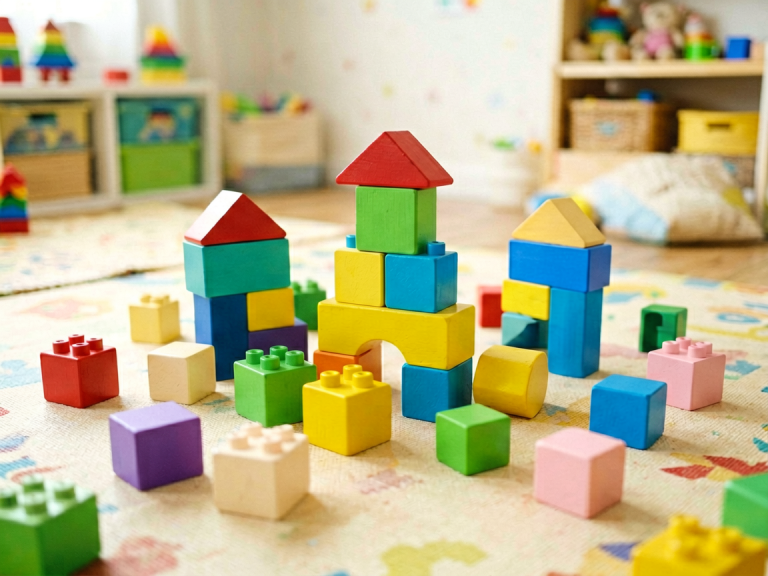
A “yes” space is an area where your child can explore freely without constant “no” or “don’t touch.” This might be a corner of the living room with a low shelf, a soft rug, and a few carefully chosen toys. Rotate toys weekly to maintain novelty—too many options overwhelm a young child, while too few bore them. Include open-ended materials like wooden blocks, fabric scraps, play dough, animal figures, and simple puzzles.
Make Books Accessible
Place a small basket of board books or picture books at your child’s eye level. Three-year-olds often “read” by flipping pages and describing pictures. Encourage this by sitting with them and asking open-ended questions: “What do you think the bear is doing?” or “Where is the caterpillar going?”
Incorporate Real-Life Tools
Children love to imitate adult activities. Provide child-sized kitchen tools (a safe butter knife for spreading, a small pitcher for pouring water), a low stool so they can help wash vegetables at the sink, or a dustpan and brush for pretend cleaning. These activities build fine motor skills, sequencing, and a sense of responsibility.
Minimize Screen Time
The American Academy of Pediatrics recommends no more than one hour per day of high-quality screen time for children ages 2 to 5, and even less for three-year-olds. Prioritize interactive, co-viewed experiences (e.g., a nature documentary you watch together and discuss) over passive consumption. Real-world, hands-on learning is far more beneficial at this age.
—
Daily Routines as Learning Opportunities
A three-year-old thrives on predictability. Routines reduce anxiety and create natural moments for learning. Instead of seeing chores as interruptions, view them as embedded lessons.
Morning Routines
- Dressing: Let your child choose between two outfits. This builds decision-making and autonomy. Practice naming clothing items (“red shirt,” “soft socks”).
- Breakfast: Count pieces of fruit, talk about colors (“This banana is yellow”), and let your child stir yogurt or spread peanut butter (with supervision). Language flourishes during mealtime conversations.
Transitions
Transitions are notoriously difficult for three-year-olds. Use songs, timers, or visual schedules (pictures showing the sequence of events) to prepare them. For example, when it is time to leave the park, sing a cleanup song. This teaches self-regulation and time awareness.
Bath and Bedtime
Bath time is a sensory playground. Provide cups for pouring, safe bath toys that float or squirt, and talk about concepts like “full” and “empty,” “hot” and “cold.” Bedtime stories are a cornerstone of literacy—read the same book repeatedly if your child asks, as repetition builds neural pathways.
—
Play-Based Learning Activities for 3-Year-Olds
Play is the work of childhood. The following activity categories target different developmental domains while remaining fun and low-pressure.
Language and Literacy Play
- Story retelling: After reading a favorite book, act it out together. Use simple props like a blanket for a cape or a cardboard tube for a magic wand.
- Alphabet exploration: Do not drill letters. Instead, point out letters in the environment—on cereal boxes, street signs, or your child’s name tag. Play with magnetic letters on the fridge, but let your child lead.
- Rhyming games: Sing nursery rhymes and make up silly rhymes (“The cat sat on the mat eating a bat—no, that’s silly!”). This develops phonemic awareness.
Math and Science Discovery
- Sorting and matching: Ask your child to sort socks by color, buttons by size, or blocks by shape. This builds classification skills.
- Counting in context: Count steps as you climb stairs (“One, two, three, four…”), count crackers during snack, or count fingers and toes.
- Simple experiments: Fill a basin with water and provide objects that sink or float (a cork, a stone, a plastic toy). Let your child predict and observe. Ask “What do you think will happen?”
Fine and Gross Motor Activities
- Scooping and pouring: Use dry rice or beans in a sensory bin with scoops, funnels, and containers. This strengthens hand muscles for writing.
- Play dough: Homemade play dough (flour, salt, water, oil, cream of tartar) is easy and safe. Add cookie cutters, rolling pins, and plastic knives for cutting.
- Outdoor play: Climbing, balancing on a low beam, jumping off a small step, and riding a tricycle build core strength and coordination.
Creative Arts
- Open-ended art: Provide paper, non-toxic washable paint, crayons, and glue sticks. Avoid coloring books—they limit creativity. Instead, let your child make marks, mix colors, and create their own representations.
- Music and movement: Play different genres of music and dance. Use scarves for waving, or make simple shakers from plastic bottles filled with rice. Sing songs with actions like “Wheels on the Bus” or “Head, Shoulders, Knees, and Toes.”
—
Supporting Social-Emotional Learning and Independence
Academic skills are important, but social-emotional competence is the foundation for all future learning. Three-year-olds are learning to manage big feelings, cooperate with others, and develop a sense of self.
Teaching Emotion Vocabulary
Label emotions throughout the day: “You look frustrated that the block tower fell down. It’s okay to be frustrated.” Use picture books about feelings, or draw faces showing happy, sad, angry, scared. This helps children identify and eventually regulate their emotions.
Encouraging Parallel and Cooperative Play
Three-year-olds often play alongside peers (parallel play) rather than with them. That is developmentally normal. Arrange playdates with one or two other children, and have duplicates of popular toys to reduce conflict. Gently model sharing: “Would you like to trade a turn?”
Building Independence
Let your child do small tasks themselves, even if it takes longer. Pouring their own water (from a small, manageable pitcher), putting on their own shoes (even on the wrong feet is a win), and wiping up spills with a cloth. Praise effort, not outcome: “You worked so hard to get that zipper started!”
Handling Tantrums with Connection
Tantrums are a normal part of a three-year-old’s still-developing brain. Stay calm, get down to their eye level, and validate their feelings: “I see you are very upset because you wanted another cookie.” Offer a choice or a hug when they are ready. This teaches that emotions are safe and manageable.
—
Tips for Parental Involvement and Patience
As you implement these strategies, keep the following principles in mind. They will save your sanity and deepen your bond with your child.
Follow Your Child’s Lead
If your child is fascinated by trucks, build learning around trucks—count trucks, read about trucks, make truck sounds, draw trucks. Child-led learning is far more engaging and effective than parent-imposed activities.
Keep Sessions Short and Sweet
Three-year-olds have attention spans of about 5 to 10 minutes for directed activities. If your child loses interest, take a break. It is better to end on a positive note than to force participation.
Embrace Imperfection
Your home will get messy. Learning often looks like chaos: play dough on the floor, water spilled on the table, crayon marks on the wall. Designate a “messy zone” with easy-to-clean surfaces. Encourage your child to help clean up—it is a learning opportunity in itself.
Take Care of Yourself
You cannot pour from an empty cup. When you feel overwhelmed, it is okay to say, “Mommy needs a quiet minute.” Put on calming music, sip tea, or step outside for fresh air. A regulated parent is the best teacher.
Connect with Other Parents
Join a local parent-child group, online forum, or library storytime. Sharing stories and tips with others normalizes the challenges of parenting a three-year-old and provides fresh activity ideas.
—
Conclusion
Supporting your three-year-old’s learning at home is not about creating a miniature classroom. It is about weaving learning into the fabric of daily life—through conversations, routines, play, and unconditional love. Every time you sing a silly song, read a bedtime story, or let your child stir the pancake batter, you are building brain connections and a secure attachment.
Remember that every child develops at their own pace. There is no checklist to conquer by age four. What matters most is that your child feels safe, curious, and valued. When you provide a rich environment, respond with warmth, and trust the process of play, you are giving your three-year-old the best possible start—a foundation of joy in learning that will last a lifetime.
Go ahead, get down on the floor, build a castle with blocks, and ask your little one, “What should we name our dragon?” That, right there, is the heart of at-home learning.