Nurturing Curiosity: A Parent’s Guide to Supporting Learning at Home for Your 18-Month-Old
Introduction
The arrival of the 18-month mark in a child’s life is a thrilling milestone. Your toddler is no longer a passive infant but an active explorer, a budding communicator, and a relentless experimenter. At this age, the world is a vast, fascinating laboratory, and your home is the primary classroom. As a parent, you may wonder how best to channel this boundless energy into meaningful learning experiences without feeling overwhelmed by the pressure to “teach.” The good news is that for an 18-month-old, learning is not a formal subject—it is woven into every diaper change, every snack time, every tumble, and every giggle. This guide will walk you through practical, developmentally appropriate strategies to support your child’s cognitive, motor, language, and social-emotional growth right at home, using everyday moments and simple materials.
—
Understanding Your 18-Month-Old’s Developmental Landscape
Before diving into activities, it is essential to appreciate where your child is developmentally. At 18 months, most toddlers are walking independently, some are even beginning to run, and they are gaining increasing control over their hands and fingers. Their vocabulary might range from a handful of words to fifty or more, and they are beginning to understand simple two-step instructions. They are also fiercely independent yet deeply attached to their primary caregivers—a paradoxical blend that can be both exhausting and endearing.
Key cognitive leaps include:
- Cause-and-effect understanding (e.g., if I drop this cup, it makes a noise).
- Object permanence (they know you still exist even when you leave the room).
- Beginning symbolic play, like pretending to drink from an empty cup.
- A strong preference for routine and predictability.
Recognizing these milestones allows you to set realistic expectations. Your role is not to push academic skills but to offer a rich, responsive environment that invites exploration. Every time you name an object or react to their babbling with enthusiasm, you are building neural connections. Every time you let them struggle to put on a sock, you are fostering problem-solving and persistence.
—
Creating a Safe and Stimulating Learning Space
The physical environment is your most powerful teaching tool. For an 18-month-old, safety comes first, but a sterile, overly tidy space can limit curiosity. The goal is to create zones within your home that encourage autonomy and discovery.
1. The “Yes” Space
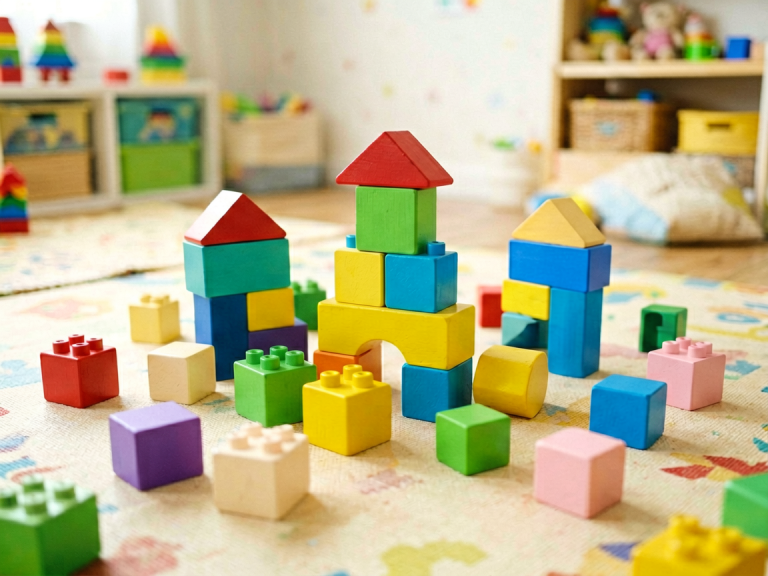
Designate a small area—perhaps a corner of the living room or a portion of the nursery—where your child can move freely without constant “no” coming from you. Remove breakable items, secure furniture to walls, and cover electrical outlets, but leave out a curated selection of toys and objects. Rotate these items weekly to maintain novelty. A toddler who can safely explore a basket of wooden blocks, a set of nesting cups, and a few board books will engage in hours of self-directed learning.
2. Accessible Shelves and Baskets
Place a low, open shelf at your child’s eye level. Arrange toys on it with clear separation—no overflowing bins where everything becomes a jumble. When items are visible and accessible, your toddler can choose what to play with, which builds decision-making skills and a sense of agency. For example, place a basket of scarves for peek-a-boo, a small drum, and a set of stacking rings.
3. Sensory Stations
A simple tray on the floor or a shallow plastic bin can become a sensory station. Fill it with safe, large items like uncooked pasta (supervised), water in a basin with cups and spoons, or sand. Sensory play supports fine motor development, cause-and-effect learning, and language development as you narrate what they are doing. Always supervise to prevent mouthing hazards.
4. A Reading Nook
Create a cozy corner with a soft rug or a beanbag and a small basket of durable board books. Comfort combined with books signals that reading is a pleasurable, daily ritual. Your toddler will likely not sit still for a full story; they might flip pages, point, and babble. That is perfectly fine. The point is exposure to the rhythm of language and the concept that pictures represent real objects.
—
Learning Through Play: Everyday Activities That Build Skills
Play is the core curriculum for an 18-month-old. Unlike older children, they do not need structured lessons or flashcards. Instead, they need opportunities to manipulate objects, imitate you, and engage their senses. Below are specific play ideas that target different developmental domains.
Language Development: The Magic of Conversation and Books
Language explosion often begins around this age. You can fuel it by becoming your child’s most enthusiastic conversational partner.
- Narrate Your Day: Describe what you are doing in simple, repetitive phrases. “Mommy is cutting the apple. See the red apple? It is round. Now I am putting it in the bowl.” This constant stream of language builds vocabulary and comprehension.
- Use “Parentese”: This is not baby talk but a natural, exaggerated speech pattern with higher pitch, slower tempo, and exaggerated vowels. Research shows it helps babies distinguish sounds and learn words more easily. For example, “Look at the baa-by! The baby is crawl-ing!”
- Read Interactively: Don’t just read the words on the page. Point to pictures and name them. “Where is the dog? There it is! The dog says ‘woof woof.’” Ask simple questions, even if your child cannot answer yet. Leave pauses for them to babble or point. Board books with textures, flaps, or simple rhymes are especially engaging.
- Singing and Fingerplays: Songs like “Itsy Bitsy Spider,” “Wheels on the Bus,” and “Twinkle Twinkle Little Star” combine rhythm, repetition, and hand movements. These activities strengthen memory, coordination, and phonological awareness—the building blocks of reading.
Fine Motor Skills: Strengthening Little Hands
Fine motor control directly affects later skills like writing, buttoning, and self-feeding. At 18 months, the pincer grasp (using thumb and forefinger) is improving.
- Stacking and Nesting: Provide cups, rings, or blocks that can be stacked or nested inside each other. This teaches size relationships and hand-eye coordination. Celebrate when they succeed, but resist the urge to correct them if they stack a big block on a small one—they are learning through trial and error.
- Puzzles with Knobs: Simple wooden puzzles with one piece per slot and a large knob help refine grasping and matching skills. Start with only two or three pieces.
- Art Exploration: Offer chunky, nontoxic crayons and large paper. Let them scribble freely. The motion of gripping a crayon and making marks is valuable for later writing. Also try finger painting with edible paint (yogurt mixed with food coloring) for a safe, messy sensory experience.
- Transfer Activities: Set out a bowl of large pompoms or blocks and an empty bowl. Demonstrate how to move one object at a time from one bowl to the other using your fingers or a large spoon. This repetitive motion builds dexterity and concentration.
Gross Motor Skills: Movement and Coordination
Your toddler is gaining confidence in walking, but they still need practice with balance, coordination, and strength.
- Obstacle Course: Use pillows, cushions, and low stools to create a safe course for climbing, crawling, and stepping over. Sit on the floor and encourage them to crawl over your legs. This builds spatial awareness and muscle control.
- Push and Pull Toys: A wooden cart to fill with blocks and push around helps with walking stability. A pull toy on a string (like a wooden duck) encourages walking backward and navigating obstacles.
- Ball Play: Roll a soft ball back and forth while sitting on the floor. This teaches anticipation, hand-eye coordination, and turn-taking. As they improve, you can gently toss the ball to them.
- Dance and Movement: Put on music with a clear beat (classical, nursery rhymes, or world rhythms) and dance with your child. Lift them up, spin gently, or march in place. Moving to music develops body awareness and rhythm.
—
Social and Emotional Learning: Building Connection and Self-Regulation
Learning at home is not only about cognitive skills. The foundation of all future learning is a secure, loving relationship and the ability to manage emotions. At 18 months, your child is beginning to understand their own feelings but cannot yet control them. Tantrums are normal and are not a sign of poor parenting—they are a sign of a developing brain overwhelmed by frustration.
1. Co-regulation over Discipline
When your child becomes upset, your role is to be a calm anchor. Sit near them, speak in a low, soothing voice, and name their emotion: “You are so angry that the toy fell. You wanted to keep playing. That is frustrating.” This validation teaches them that emotions are okay and helps them begin to label their own feelings. Avoid trying to reason during a full tantrum; just wait it out with a gentle presence.
2. Imitation and Mirroring
Toddlers learn empathy by seeing it modeled. When you show kindness to a doll, say “gentle” while petting the cat, or apologize when you accidentally bump into them, you are teaching social scripts. Play pretend with a stuffed animal: “Baby bear is sad. Can you give him a hug?” This nurtures emotional intelligence.
3. Simple Choices
Offering limited choices reduces power struggles while building decision-making skills. “Do you want the red cup or the blue cup?” “Should we read the duck book or the car book?” Two options is enough; more overwhelms them. This practice respects their growing autonomy and reduces frustration for both of you.
—
The Role of Routine and Downtime
While structured play activities are wonderful, 18-month-olds also need ample time for unstructured exploration and, crucially, for rest. A tired toddler is an irritable toddler who cannot learn effectively.
Establish a Predictable Daily Rhythm
Children this age thrive on knowing what comes next. A simple sequence—wake, eat, play, outdoor time, lunch, nap, snack, play, dinner, bath, books, bed—provides security. You do not need to follow a strict clock, but the order should be consistent. This predictability lowers anxiety and allows your child to focus on learning rather than worrying about what is happening next.
Respect Their Attention Span
An 18-month-old can typically engage in an activity for only a few minutes. Do not expect them to complete a puzzle or sit through a whole book. Follow their lead. If they lose interest, move on. Forcing attention can backfire and create resistance.
Embrace Boredom
It is tempting to constantly entertain your child, but boredom is a catalyst for creativity. If you have provided a safe, interesting environment, allow your toddler to sometimes be bored. They may begin to explore on their own, discover a new way to stack blocks, or simply lie on the floor watching the light from a window. These moments of quiet are as valuable as any planned activity.
—
Practical Tips for Parents: Managing Expectations and Self-Care
Finally, it is impossible to discuss supporting your child’s learning without addressing your own well-being. You are your child’s first and most important teacher, but you are also human.
- Let Go of Perfection: You do not need Pinterest-worthy sensory bins or an elaborate schedule. The everyday moments—smooshing banana with their fingers, splashing in the bath, waving goodbye to the mail carrier—are rich with learning. Trust that process.
- Limit Screen Time: The American Academy of Pediatrics recommends avoiding screens for children under 18 months (except video calls). Even after 18 months, screen time should be limited to high-quality content and always co-viewed. Real-world interaction is far superior for brain development.
- Talk to Your Partner or Support Network: You are not alone in this journey. Share observations, celebrate small victories, and vent the frustrations. A shared laugh over a messy meal or a failed art project can make the learning journey more joyful.
- Follow Your Child’s Lead: Every child develops differently. Some are early talkers; others are early walkers. If your child is not interested in stacking blocks but loves to drum on pots, go with it. You are supporting *their* unique learning path, not a checklist of achievements.
—
Conclusion: The Bigger Picture
Supporting learning at home for an 18-month-old is not about teaching ABCs or counting to ten. It is about nurturing a sense of wonder, building a foundation of trust, and providing the tools for exploration. Every time you respond to a babble, every time you kneel down to see what they are pointing at, every time you patiently help them try again after a fall, you are building a brain that is curious, resilient, and ready for the next stage. The home is the richest classroom, and you are the most qualified teacher—not because you have a degree in early childhood education, but because you love them. That love, combined with a few intentional strategies, is all any toddler truly needs to learn and grow. So put away the pressure, pick up a board book, and let the messy, magical learning begin.