Rediscovering Play: Essential Screen-Free Tips for Modern Parents
Introduction
In an age where digital devices have become an integral part of daily life, many parents face a common dilemma: how to encourage their children to engage in meaningful, screen-free play. The allure of tablets, smartphones, and video games is undeniable, yet research consistently shows that unstructured, imaginative play without screens is crucial for a child’s cognitive, social, and emotional development. Screen-free play fosters creativity, problem-solving skills, physical activity, and deeper family connections. But shifting away from digital entertainment does not have to be a battle. With thoughtful strategies and a little creativity, parents can transform their homes and routines into rich environments for spontaneous, joyful, and screen-free play. This article offers practical, actionable tips to help parents navigate this journey, whether you have a toddler, a school-age child, or a preteen.
—
1. Reimagine Your Physical Space: Create Inviting Play Zones
The Power of a Dedicated Play Corner
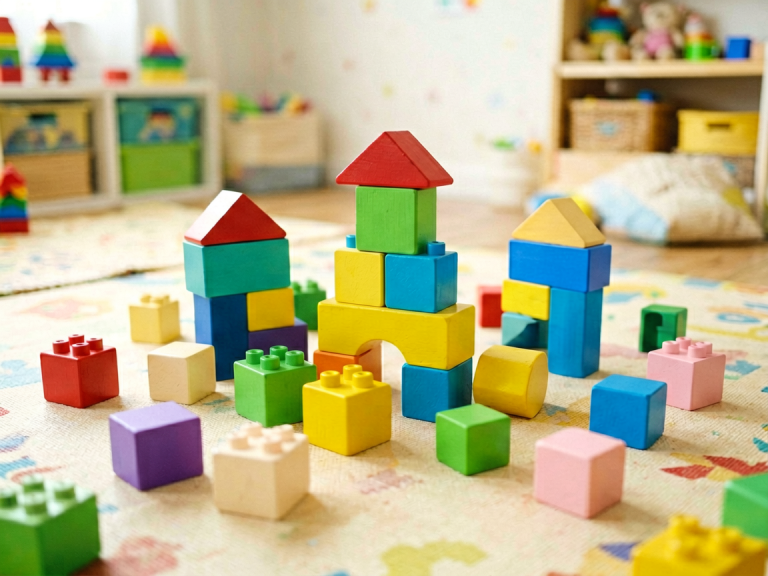
Children’s play is deeply influenced by their environment. Instead of banning screens outright, design specific areas in your home that naturally invite non-digital activities. A corner of the living room with a low shelf of open-ended toys (blocks, art supplies, dress-up clothes) can become a magnet for creative play. Keep these items visible and accessible—out of sight often means out of mind. Rotate toys every few weeks to maintain novelty without purchasing new ones.
The Outdoor Connection
If space allows, create an outdoor play zone that does not rely on electronic gadgets. A simple sandbox, a patch of garden for digging, a chalkboard on the fence, or a collection of buckets and water can provide hours of open-ended exploration. Even a small balcony can host a potted plant and a set of plastic animals. The key is to make nature and physical activity as convenient as reaching for a remote.
Declutter for Focus
A cluttered environment can overwhelm children and reduce the quality of play. Spend an afternoon sorting through toys, donating broken or outgrown items, and grouping similar play materials (e.g., all building sets together). When children see a tidy, organized play space, they are more likely to engage deeply with fewer, better-chosen items.
—
2. Embrace the Art of Boredom: Let Children Lead Their Own Play
Why Boredom Is Your Ally
Many parents panic when a child says, “I’m bored.” Yet boredom is a powerful catalyst for creativity. When screens are removed, a child’s brain must work harder to generate ideas. Instead of immediately offering suggestions, let the child sit with the feeling for a while. You can acknowledge it: “It’s okay to feel bored. Sometimes boredom helps you think of something new.” After a few minutes, they might invent an elaborate game using pillows, or pretend to be a detective solving a missing-socks case.
The “Yes, And” Approach
When a child proposes a play idea, try to respond with enthusiasm and expansion. If they say, “Let’s build a fort,” instead of asking why, say, “Yes, and we can use blankets and flashlights to make it cozy.” This validates their initiative and encourages deeper involvement. Avoid criticizing the mess or complexity—play is messy by design.
Teaching Self-Initiation
Gradually, children will learn to initiate their own games. You can plant seeds by leaving intriguing objects around: a cardboard box, a set of small flashlights, or a bag of fabric scraps. Without explicit instructions, these objects become raw materials for endless stories.
—
3. Reinvent Family Rituals: Make Every Day a Play Day
Screen-Free Mornings and Evenings
Establish a daily rhythm that prioritizes screen-free moments. Begin the day with a simple ritual: a short family walk, a breakfast board game, or a quick dance party in the kitchen. Similarly, create a wind-down routine that does not involve screens—reading aloud, storytelling, or quiet crafts. This not only reduces screen time but also strengthens family bonds.
The Weekend Adventure Challenge
Weekends offer a perfect opportunity for screen-free play that feels special. Proclaim a “No-Screen Saturday” once a month. Prepare a list of low-cost, high-imagination activities: a backyard treasure hunt with hand-drawn maps, a “camping” experience in the living room (complete with tents and fake campfires), or a cooking session where children measure and mix ingredients. Make these events predictable and something they look forward to.
The Power of “I Remember When…”
Share memories from your own screen-free childhood. Tell stories about building treehouses, making mud pies, or inventing secret club codes. Children love hearing about their parents’ past adventures, and these stories plant seeds in their imagination. You can even re-create one of your childhood games together.
—
4. Use Loose Parts and Open-Ended Materials
What Are Loose Parts?
“Loose parts” are objects that can be moved, combined, and repurposed in countless ways. Examples include wooden blocks, old buttons, fabric scraps, bottle caps, empty spools, leaves, stones, and cardboard tubes. When children have access to loose parts, they naturally engage in higher-order thinking—sorting, counting, designing, and storytelling—without any digital guidance.
Setting Up a Loose-Parts Station
Create a small bin or tray in a quiet corner filled with interesting loose items. For young children, ensure all pieces are large enough to be safe. For older children, add more complex parts like hinges, string, or beads. Do not suggest uses—let the child discover them. A cardboard tube might become a telescope one day and a rocket launcher the next.
Seasonal Collections
Change the loose parts with the seasons. In autumn, collect acorns, pinecones, and colorful leaves. In winter, offer cotton balls (snow), small toy animals, and a tray of sand for snowy landscapes. Spring can bring flower petals, twigs, and small stones. This connection to the natural cycle keeps play fresh and environmentally aware.
—
5. Partner with Other Parents for Screen-Free Playdates
The Organized Playgroup
Schedule regular playdates with a clear “no screens” rule. Coordinate with a few like-minded parents to take turns hosting. Each host can provide a theme—for example, a “science exploration” session with vinegar, baking soda, and food coloring, or an “art attack” with recycled materials. Having peers engaged in similar play reinforces the idea that screen-free fun is normal and enjoyable.
The Park Play Pact
Meet at a local park without any digital devices. Bring only balls, jump ropes, and chalk. The unstructured outdoor environment encourages running, climbing, and spontaneous games like tag or hide-and-seek. If children complain about boredom, their peers will quickly guide them into make-believe games.
Digital-Free Slumber Parties
Transform a sleepover into an analog adventure. Plan flashlight tag, storytelling around a fake campfire (use battery-operated candles), or a DIY board-game marathon. The shared, screen-free experience often creates memories that children cherish far more than a video game session.
—
6. Model Screen-Free Behavior Yourself
The Mirror Effect
Children learn more from what you do than from what you say. If you constantly pull out your phone during playtime, your child will see screen time as the default activity. Designate periods when you put your own devices away and fully engage in your child’s play. Even ten minutes of focused, screen-free attention can fill their emotional tank.
Invite Them into Your Hobbies
Share your own screen-free passions. If you enjoy cooking, let your child measure ingredients. If you garden, give them a small trowel and a patch of soil. If you like knitting, hand them a chunky yarn and oversized needles. These interactions not only model a lifestyle of hands-on creativity but also teach practical life skills.
Create a “Tech-Free Hour” for Everyone
As a family, agree on a daily hour when no one uses any screens—parents included. Use this time for board games, reading together, taking a walk, or simply talking. Over time, this ritual will become a treasured part of your family culture.
—
7. Tame the Tantrums: Handle Screen Withdrawal Gently
Acknowledge the Loss
If your child is used to heavy screen time, removing it abruptly can cause frustration. Gently explain the reasons: “We want to give your brain a break to think of new ideas.” Offer a list of appealing alternatives you have prepared in advance. For example, set up a “surprise play bin” with a new set of markers or a puzzle.
Use Visual Timers
For older children, a visual timer (like an hourglass or a digital countdown) can help them anticipate screen-free periods. Let them choose when to enjoy their screen time, within agreed limits, so they feel a sense of control.
Celebrate Small Wins
When your child successfully plays without screens for a certain period, celebrate it. You might say, “Look how much you built with just your imagination! That was amazing.” Positive reinforcement gradually rewires their brain to value the experience of screen-free play.
—
Conclusion
Helping children rediscover the joy of screen-free play is not about deprivation; it is about offering richer, more varied experiences that nurture their whole being. Every parent can become a facilitator of creativity by reshaping the environment, embracing boredom, and modeling engaged, device-free attention. The tips in this article are not rigid rules but flexible starting points. Start small—perhaps with one screen-free hour a day or a single open-ended toy. Observe the magic that unfolds: a cardboard box becomes a castle, a blanket becomes a cave, and a simple walk becomes an expedition. In a world saturated with digital noise, the most powerful gift you can give your child is the space and encouragement to dream, build, and play with nothing but their own imagination.