The Screen-Free Learning Guide for Parents: Nurturing Minds Beyond the Digital Glow
In an age where tablets, smartphones, and laptops have become the default babysitters and teachers, a growing number of parents are asking a critical question: How can I help my child learn without a screen? The answer is not to demonize technology—it has its place—but to rediscover the rich, tactile, and deeply engaging world of screen-free learning. This guide is designed to empower parents with practical strategies, age-appropriate activities, and a mindset shift that transforms everyday moments into powerful learning opportunities. By stepping away from glowing rectangles, we invite children to use their hands, their imaginations, and their full sensory selves. Let’s explore how to build a screen-free learning environment that fosters curiosity, resilience, and a genuine love for knowledge.
—
Understanding the Benefits of Screen-Free Learning
Before diving into the "how," it is essential to understand the "why." Screen-free learning is not merely the absence of digital devices; it is the active presence of real-world experiences. Research consistently shows that excessive screen time—especially passive consumption—can impair attention spans, disrupt sleep, and reduce face-to-face social skills. In contrast, screen-free activities engage multiple senses, encourage physical movement, and require deeper cognitive processing. When a child builds with blocks, they learn physics through trial and error. When they draw, they develop fine motor control and emotional expression. When they listen to a story read aloud, they strengthen auditory processing and vocabulary in a way that passive video-watching cannot replicate. Moreover, screen-free learning reduces dependency on instant gratification and fosters patience, focus, and intrinsic motivation. For parents, it also creates opportunities for genuine connection—conversations over a board game, shared laughter during a science experiment, or quiet companionship while gardening. These benefits compound over time, building a foundation for lifelong learning that is rooted in curiosity, not notifications.
—
Creating a Screen-Free Environment at Home
The environment plays a powerful role in shaping a child’s habits. If screens are always within arm’s reach, the temptation to default to them is high. Begin by designating specific areas as screen-free zones—such as the dining table, bedrooms, and the playroom. Invest in accessible storage for alternative learning materials: art supplies, puzzles, building sets, musical instruments, nature collection jars, and books. Rotate these materials periodically to maintain novelty. Equally important is modeling the behavior you wish to see. If you constantly check your phone during family time, your child learns that screens are more important than presence. Set aside “device-free hours” for the whole family, perhaps during meals or the first hour after school. Another effective strategy is to replace the default “screen time” with a default “activity time.” Instead of saying “You can play on the tablet after homework,” say “After homework, would you like to build a fort or bake cookies together?” This subtle shift reframes learning as a choice rather than a reward. Remember, the goal is not to eliminate screens entirely but to create a balanced home culture where screen-free learning feels natural and inviting.
—
Screen-Free Learning Activities by Age Group
Tailoring activities to your child’s developmental stage ensures that learning remains challenging yet enjoyable. Below are practical suggestions for three broad age groups.
Preschoolers (Ages 3–5)
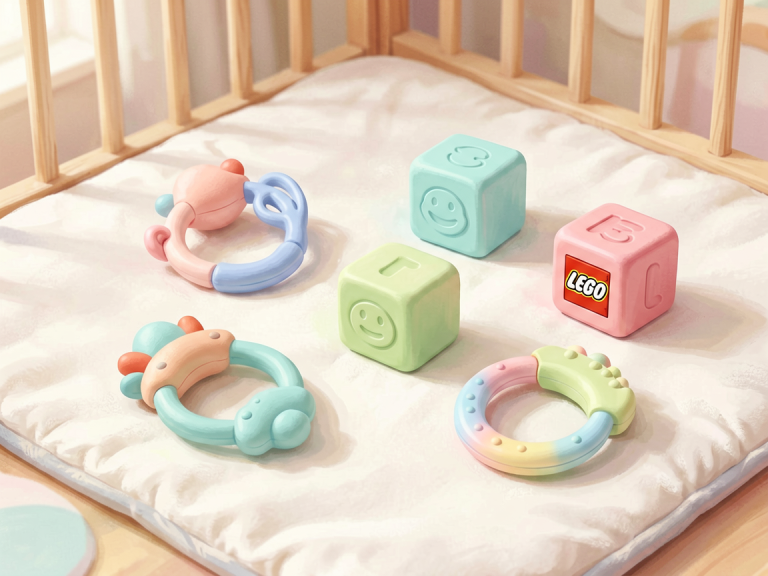
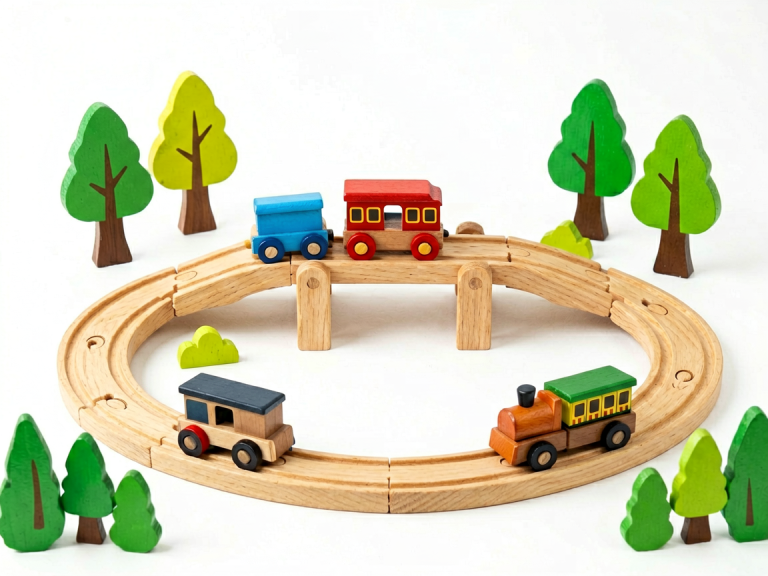
At this age, learning happens through play, exploration, and sensory experiences. Focus on activities that build foundational skills without formal instruction. Provide a variety of open-ended toys: wooden blocks, play dough, water tables, and simple puzzles. Encourage imaginative play with dress-up clothes, puppets, or a cardboard box turned into a spaceship. Reading aloud remains the single most powerful screen-free learning tool—aim for 20 minutes daily, using expressive voices and asking questions like “What do you think will happen next?” Nature walks are another goldmine: collect leaves, count acorns, and describe textures. Simple cooking projects (mixing, pouring, measuring) introduce math and science concepts. For fine motor development, offer child-safe scissors, beads for stringing, or crayons and large paper. Avoid flashy electronic toys; instead, let them explore cause and effect by stacking towers or rolling balls down ramps. The key is to follow their curiosity and allow plenty of unstructured time.
Elementary School Children (Ages 6–10)
As children enter formal schooling, screen-free learning can reinforce academic concepts while nurturing creativity and critical thinking. Board games like Scrabble, checkers, and Settlers of Catan teach strategy, spelling, and patience. Card games like Uno or Go Fish build number sense and social skills. Encourage journaling or letter-writing to relatives—this improves handwriting and narrative ability. Hands-on science kits (volcanoes, crystal growing, simple circuits) make abstract ideas concrete. Set up a small garden or even a windowsill herb pot; children learn biology, responsibility, and the patience required for growth. Art projects such as origami, clay sculpting, or weaving develop spatial reasoning and concentration. For reading, create a cozy “book nook” and let them choose their own books from the library. Encourage them to read independently, then discuss the story together. Math can be practiced through cooking measurements, board games with dice, or building structures that require estimation and geometry. Also consider music lessons or learning a musical instrument—an excellent screen-free activity that boosts memory and coordination.
Teens and Pre-Teens (Ages 11+)
Older children and teenagers often resist screen-free suggestions because they associate screens with social connection and entertainment. The key is to offer activities that feel meaningful, challenging, and socially relevant. Encourage hands-on projects like woodworking, sewing, coding (which can be done on a computer but is active, not passive), or robotics kits. Debate and discussion around current events, ethics, or literature can be done during family dinners—no screens allowed. Strategy games like chess, Dungeons & Dragons, or complex card games teach negotiation and planning. Journaling prompts such as “Describe a time you overcame a fear” foster self-reflection. Volunteering or community service (e.g., helping at an animal shelter, cleaning a park) provides real-world learning and empathy. Teenagers can also take on more responsibility in the kitchen—planning and cooking full meals from scratch involves reading, math, chemistry, and time management. For physical activity, encourage hiking, biking, or learning a sport like rock climbing or martial arts. Reading complex novels, biographies, or non-fiction on topics they love can be supplemented with discussions or even starting a book club with friends. The goal is to show that screen-free learning is not a punishment but a pathway to mastery and independence.
—
Integrating Screen-Free Learning into Daily Routine
Consistency is more important than intensity. Instead of setting aside large blocks of screen-free time (which can feel overwhelming), weave small, meaningful activities into daily transitions. For example, during breakfast, read a short article or discuss a “question of the day” (e.g., “Why is the sky blue?”). On the car ride to school, play oral games like 20 Questions, I Spy, or storytelling chain. After school, have a 30-minute “unplugged wind-down” with a snack and a hands-on activity like Legos or drawing, before homework begins. On weekends, designate one afternoon as “nature afternoon” or “project afternoon” where screens are off and the family works on a shared activity—building a birdhouse, baking bread, or creating a family mural. It helps to have a visible schedule or a “choice board” of screen-free options posted on the fridge. Children feel empowered when they can choose their own learning path. Also, do not underestimate the power of boredom. When children complain “I’m bored,” resist the urge to offer a screen. Instead, say, “I trust you to find something interesting to do.” Boredom is often the catalyst for the most creative ideas.
—
Overcoming Common Challenges and Resistance
Transitioning to a screen-free learning lifestyle is not always easy. Children—especially older ones—may resist, complain, or bargain. Anticipate these challenges with a calm, firm, and empathetic approach. First, explain the “why” in a developmentally appropriate way. For young children, say, “Our brains grow stronger when we use our hands and imaginations.” For teens, acknowledge their need for social connection but negotiate screen-free windows: “I understand you want to talk to friends, but let’s have dinner together without phones and then you can connect after.” Set clear, consistent boundaries and stick to them. If you give in to whining once, the boundary weakens. Another challenge is that screen-free learning often requires more parental involvement than handing over a tablet. It’s okay to start small. Commit to one screen-free hour per day or one screen-free weekend morning. Gradually increase as your family’s “muscle” for screen-free engagement grows. Use positive reinforcement: celebrate effort, display their artwork, and talk about what they learned. Finally, remember that you are the role model. If they see you picking up a book or tinkering with a hobby, they will imitate that behavior far more than any lecture.
—
Encouraging a Lifelong Love for Learning
Ultimately, screen-free learning is not about deprivation; it is about abundance—abundance of textures, sounds, conversations, and experiences. When children associate learning with joy, autonomy, and discovery, they become self-directed learners for life. Parents can nurture this by praising the process rather than the outcome: “I love how you tried three different ways to build that tower” instead of “Great job making it stand.” Expose children to diverse experiences: museums, farms, factories, libraries, concerts, and interviews with people in various professions. Keep asking open-ended questions. Read aloud even after they can read independently—family read-alouds strengthen bonds and vocabulary. And most importantly, let your own curiosity shine. Talk about what you are learning, whether it’s a new recipe, a language, or a history fact. Your enthusiasm is contagious.
—
Conclusion: A Call to Action for Parents
The world is saturated with screens, but the human brain is wired for hands-on, sensory, social learning. As parents, we have the privilege—and the responsibility—to guide our children toward a balanced relationship with technology. This screen-free learning guide is not a rigid set of rules but a flexible toolkit. Start with one small change: a device-free dinner, a weekend hike, or a rainy afternoon with board games. Observe how your child’s engagement deepens, how their creativity blossoms, and how your connection strengthens. In a culture that constantly demands faster and brighter digital stimulation, choosing the slower, richer path of screen-free learning is an act of resistance and love. Your child’s mind is the most powerful device ever created. Help them discover its full potential—without a power button.