The Unscripted Magic: Why Creative Play is the Cornerstone of Childhood Development
Introduction
In a world increasingly driven by structured schedules, standardized tests, and digital screens, the simple act of “playing” has been quietly demoted from a birthright to a luxury. Yet for children, play is not merely a way to pass time—it is the primary language through which they learn, experiment, and make sense of their universe. Creative play, in particular, stands apart from its more rigid cousins (such as organized sports or rule-bound board games) because it places the child in the driver’s seat. There are no manuals, no predetermined outcomes, and no right answers. A fallen branch becomes a wizard’s wand; a cardboard box transforms into a castle under siege; a whispered secret between two friends evolves into an entire kingdom of make-believe. This unscripted magic is not trivial. It is, in fact, one of the most powerful forces for cognitive, emotional, and social development that a child can experience. This article explores the profound importance of creative play for kids, delving into its neurological underpinnings, its diverse forms, its lifelong benefits, and practical strategies for nurturing it in a modern world that often undervalues the art of simply “pretending.”
—
The Neuroscience of Free Play: How Imagination Builds the Brain
Creative play is far more than a charming diversion—it is a full-body workout for the developing brain. Neuroscientific research over the past two decades has revealed that when children engage in unstructured, imaginative play, they are actively strengthening neural circuits that underpin executive function, emotional regulation, and creative problem-solving.
One of the key processes involved is the activation of the prefrontal cortex, the brain’s “CEO.” During pretend play, children must constantly hold multiple scenarios in mind: “I am the dragon, you are the knight, and the carpet is a lava river.” They negotiate roles, adapt to unexpected plot twists, and inhibit impulsive actions to stay in character. This mental juggling builds working memory, cognitive flexibility, and self-control—the very skills that predict academic success and life satisfaction far better than early literacy drills.
Moreover, creative play stimulates the default mode network (DMN), a set of brain regions that become active when we are daydreaming, imagining, or reflecting. Far from being “wasted time,” DMN activity is essential for generating novel ideas, integrating past experiences, and developing a coherent sense of self. When a child builds a spaceship out of sofa cushions and pretends to fly to Mars, they are not escaping reality; they are rehearsing the ability to envision alternatives, to hold multiple possibilities in mind, and to find joy in the unknown.
The emotional brain also benefits. Dramatic play allows children to safely explore scary or confusing feelings. A child who stages a “monster attack” can experience fear in a controlled simulation, then triumph over it. This process helps build emotional resilience and reduces anxiety by allowing the child to process real-world stressors through metaphor. In short, creative play sculpts the brain in ways that no worksheet or app can replicate.
—
From Cardboard Boxes to Cosmic Adventures: The Many Forms of Creative Play
Creative play is not a single activity but a vast ecosystem of possibilities, each offering unique developmental nutrients. Understanding its breadth helps parents and educators see opportunities everywhere, rather than feeling pressured to buy expensive toys or schedule elaborate projects.
Symbolic or pretend play is perhaps the most recognizable form. A child uses one object to stand for another (a stick for a horse) or adopts a role (teacher, parent, superhero). This type of play blossoms around age two and peaks in complexity between ages three and seven. It is the foundation of abstract thinking and language development.
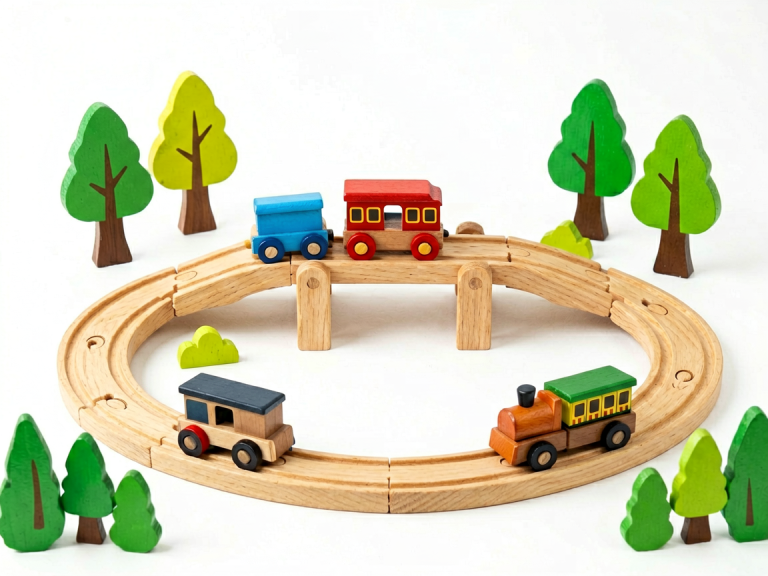
Constructive play involves building or creating something, whether with LEGO bricks, sand, clay, or recycled materials. Unlike symbolic play, the focus is on the process of making rather than on narrative. However, the two often overlap: a block tower can become a princess’s castle. Constructive play hones fine motor skills, spatial reasoning, and the ability to plan and persist through frustration.
Physical creative play includes movement-based imagination: dancing like a falling leaf, crawling like a secret spy, or turning a game of tag into a story of escaping lava. This form integrates body awareness with narrative thinking, supporting gross motor development and kinesthetic learning.
Parallel and cooperative play illustrates the social dimension. Even when children play side by side in their own imaginary worlds, they are learning to navigate proximity and shared attention. As they grow, cooperative creative play—such as inventing a skit or building a fort together—teaches negotiation, compromise, and collective storytelling.
Finally, exploratory and nature play deserves special mention. A child who examines a snail’s trail, collects fallen leaves, or digs in the mud is engaged in creative play that stems from curiosity. Nature provides an ever-changing, open-ended environment that fuels invention and scientific thinking.
Recognizing these diverse forms empowers adults to value play that may look “messy” or “aimless.” The child lying on the grass staring at clouds is also playing—her imagination is constructing dragons and ships from vague white shapes. The child who spends an hour arranging pebbles in patterns is practicing design thinking. No form of creative play is inferior; each wires the brain in complementary ways.
—
Beyond Fun and Games: The Lifelong Skills Cultivated Through Creative Play
The benefits of creative play extend far beyond childhood. The skills honed during these seemingly frivolous moments become the hidden scaffolding for adult success and well-being.
Problem-solving and innovation are forged in the crucible of creative play. When a child wants to build a bridge for toy cars but runs out of blocks, she must improvise—maybe using a book as a ramp or a shoelace as a rope. This trial-and-error process teaches divergent thinking: the ability to generate multiple solutions to a single problem. In adulthood, this translates into adaptability, entrepreneurship, and the capacity to navigate ambiguity.
Empathy and perspective-taking emerge naturally from pretend play. To act as a grumpy shopkeeper or a worried patient, a child must temporarily inhabit another’s mental state. Research shows that children who engage in more dramatic play score higher on measures of theory of mind—the ability to understand that others have different thoughts and feelings. This skill is foundational for meaningful relationships, teamwork, and ethical leadership.
Emotional self-regulation is practiced constantly in creative play. A child who feels angry while building a tower that keeps collapsing can either throw a tantrum or take a deep breath and restart. Because the stakes are low, play offers a safe laboratory for learning to manage frustration, delay gratification, and cope with disappointment.
Language and communication flourish as children narrate their play, argue over plot directions, and explain their ideas to friends. They acquire vocabulary not through rote memorization but through lived experience: “ambush,” “negotiate,” “disguise,” “precious.” Bilingual children often code-switch naturally during play, reinforcing both languages.
Perhaps most importantly, creative play cultivates intrinsic motivation and joy. In an achievement-obsessed culture, play reminds children that learning can be pleasurable for its own sake. This love of exploration becomes a lifelong engine for curiosity, preventing burnout and sustaining mental health.
—
Cultivating a Play-Friendly Environment: A Guide for Parents and Educators
Despite the overwhelming evidence for its value, creative play is under siege. Overscheduled calendars, screen time, safety concerns, and academic pressure all conspire to reduce the hours children spend in free, imaginative activity. Yet adults have tremendous power to protect and foster creative play without turning it into yet another structured “learning opportunity.”
First, prioritize unstructured time. Children need long, unhurried blocks—ideally at least 60-90 minutes daily—where they can dive deep into a pretend world without interruption. This means resisting the urge to “help” or direct the play. Let the child lead.
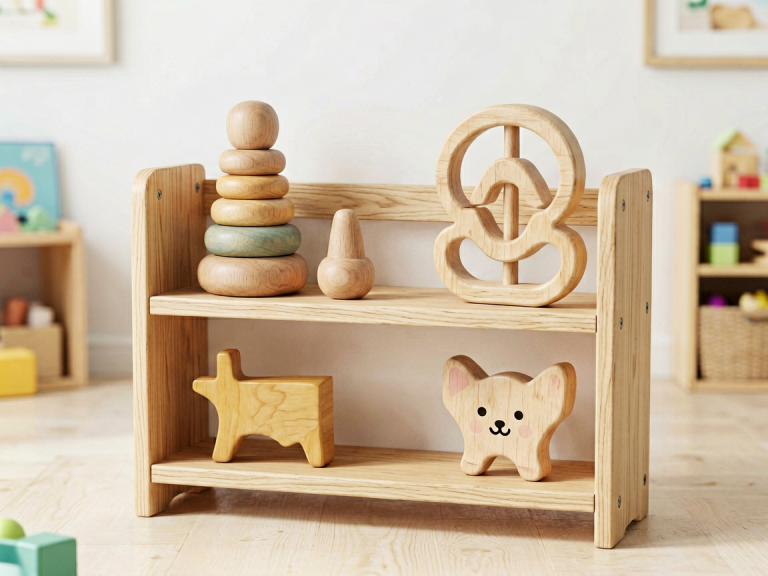
Second, choose open-ended materials over toys with a single purpose. A set of wooden blocks, a basket of fabric scraps, a box of cardboard tubes, and a collection of natural objects (pinecones, stones, shells) can inspire endless scenarios. These are “loose parts” that allow children to transform, combine, and reimagine.
Third, be a respectful play partner. When invited, join the child’s world. Follow their rules, accept their roles, and mirror their emotions. Avoid correcting their logic (“That’s not how a real rocket works!”) or hijacking the story. The goal is not to teach but to co-create.
Fourth, limit screens and passive entertainment. While quality digital content has its place, it rarely offers the same depth of imaginative engagement as physical, social play. Set clear boundaries around screen time, and ensure that tech does not replace outdoor exploration or make-believe.
Fifth, embrace mess and risk. Creative play is inherently messy—paint on hands, mud on knees, forts that collapse. It also involves emotional risks: a child may feel vulnerable acting out a scary scene. Adults can foster a sense of psychological safety by celebrating effort over product, allowing failure, and refraining from excessive praise or criticism.
Finally, model creativity yourself. Let your child see you doodling, cooking without a recipe, telling silly stories, or building a shelf from scratch. When they observe that playfulness is valued across all ages, they internalize its worth.
—
Conclusion
Creative play is not a luxury to be squeezed into spare moments; it is the very soil in which the seeds of a child’s intellect, empathy, and resilience take root. In a world that often prizes efficiency and measurable outcomes, unstructured imagination may seem inefficient. But its returns are immeasurable—a mind that knows how to wonder, a heart that knows how to care, and a spirit that dares to envision what has never been. As we design schools, homes, and communities, we must resist the temptation to overschedule and overstructure childhood. Instead, we should protect the sacred, messy, glorious time when a child can be a dragon, an astronaut, a chef, or a river—all in one afternoon. For in doing so, we are not just letting children play; we are giving them the tools to become the architects of their own lives. The magic has always been there, waiting for a cardboard box and a spark of imagination. Our job is simply to leave the door open.