Building Bridges Through Play: A Guide to Using Toys for Social Interaction
Introduction
Play is often described as the “work of childhood,” but its significance extends far beyond mere entertainment. For children, play is the primary medium through which they learn about the world, themselves, and – most importantly – other people. Social play, in particular, lays the foundation for essential life skills such as cooperation, negotiation, empathy, and conflict resolution. Toys, when chosen and used intentionally, become powerful tools for facilitating these interactions. Yet many parents, educators, and caregivers struggle with the practical question: *How do we actually use toys to encourage social play?* This article provides a comprehensive, evidence‑informed guide to transforming everyday toys into catalysts for meaningful social engagement. From selecting the right materials to structuring play scenarios, the strategies below will help children of various ages and abilities develop the social competencies they need to thrive.
Understanding the Core Components of Social Play
Before diving into specific techniques, it is useful to identify the key social skills that toys can help cultivate. These include:
- Turn‑taking and sharing: The ability to wait, negotiate, and allow others equal access.
- Joint attention: Focusing on the same object or activity with another person.
- Cooperative problem‑solving: Working together toward a common goal.
- Perspective‑taking: Understanding another’s feelings, desires, or intentions.
- Communication: Both verbal and nonverbal exchanges that sustain interaction.
Toys that are open‑ended, require collaboration, or invite role‑playing naturally support these skills. The following sections break down practical approaches for different developmental stages and toy categories.
1. Infant and Toddler Stage: Laying the Groundwork with Simple Objects
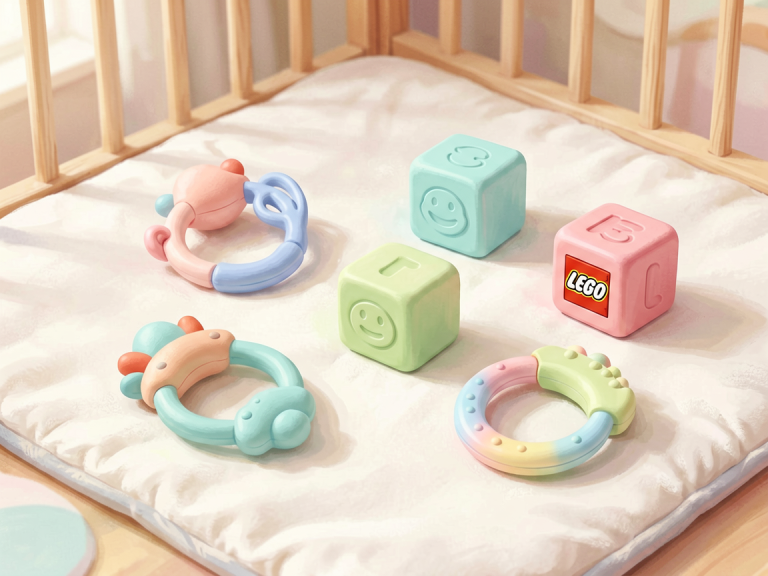
Even before children can talk, they can engage in social play through toys. For infants (0–12 months), the goal is to foster mutual gaze and joint attention. A rattle that an adult shakes and then hands to the baby creates a back‑and‑forth exchange. Soft blocks that two people stack together – one placing, the other knocking down – teach the rhythm of turn‑taking without words.
For toddlers (12–36 months), parallel play gradually gives way to interactive play. A set of large, lightweight balls is excellent for rolling back and forth. The caregiver can sit face‑to‑face with the child, roll the ball, and say “Your turn.” When the child rolls it back, the adult celebrates. This simple game builds the foundation for reciprocity. Another powerful tool is a toy telephone. Two toy phones allow the toddler and a partner to imitate conversation, experimenting with turn‑taking in dialogue. Even a cardboard box can become a “shared car” that two toddlers sit in together, learning to coordinate movements and negotiate space.
Key tips for this age:
- Use toys that are safe, easy to grasp, and require minimal instructions.
- Model social behaviors explicitly: “I’ll push the car to you. Now push it back to me.”
- Keep sessions short (5–10 minutes) and follow the child’s lead to maintain engagement.
2. Preschool Years: Structured Cooperation Through Building and Pretend Play
Between ages 3 and 5, children become capable of more complex social play. This is the ideal time to introduce toys that require explicit cooperation. Building sets – such as wooden blocks, LEGO Duplo, or magnetic tiles – are outstanding for this purpose. Instead of each child building alone, encourage them to construct a single structure together. For example, propose: “Let’s build a castle for our toy animals. You can bring the big blocks, and I’ll stack them. Then we decide where the door goes.” This shared goal forces negotiation, turn‑taking, and compromise. When a tower falls, children must collaborate to rebuild, learning resilience as a team.
Pretend‑play toys – kitchen sets, doctor kits, dress‑up costumes, toy cash registers – are equally powerful. Role‑playing scenarios like “going to the grocery store” naturally generate social scripts. One child plays the shopper, another the cashier. They must exchange greetings, count imaginary money, and negotiate what to buy. The caregiver can occasionally step in with a gentle prompt (“What should we do if the shopper forgets his wallet?”) to deepen problem‑solving.
Another excellent category is simple board games designed for preschoolers. Games like “Hi‑Ho! Cherry‑O” or “Candy Land” require players to follow rules, wait for their turn, and handle both winning and losing graciously. The toy itself becomes the structure that organizes social interaction. At this stage, adults should focus on the process, not the outcome – praising a child for waiting patiently or helping a friend, rather than for winning.
3. School‑Age Children: Advanced Social Play with Strategy and Teamwork
From ages 6 to 12, children develop more sophisticated social reasoning. Toys can now support collaboration, leadership, and even conflict resolution. Construction toys like LEGO Technic, complex puzzles, or marble runs are ideal for cooperative problem‑solving. Give a group of children a single set of instructions and one box of pieces. They must divide tasks, communicate clearly, and troubleshoot together. The toy becomes a common challenge that demands coordination.
Card games and strategy board games – such as “Uno,” “Jenga,” “Catan Junior,” or “Forbidden Island” – teach negotiation, reading opponents’ intentions, and managing emotions under pressure. In cooperative games (where players work against the game, not each other), children learn that success depends on sharing information and making decisions as a team. For instance, in “Forbidden Island,” players must collectively decide which treasures to collect and how to move characters, fostering high‑level group discussion.
Electronic and robotic toys, such as programmable robots (e.g., Sphero or LEGO Mindstorms), also offer rich social opportunities. If two children are tasked with programming a robot to navigate a maze, they must debate algorithms, test hypotheses, and debug together. The toy acts as a neutral third party – the robot’s response is objective, which reduces interpersonal tension and keeps the focus on shared problem‑solving.
Pro tips for school‑age children:
- Allow children to choose their own social roles within the play (e.g., “You be the planner, I’ll be the builder, and she can be the tester”).
- After play, facilitate a brief debrief: “What worked well in your teamwork? What was tricky?”
- Use toys to intentionally practice specific skills, like active listening (e.g., “Before we move our game piece, let’s each say what we think the other person wants to do”).
4. Special Considerations: Adapting Toys for Diverse Social Needs
Not all children develop social skills at the same pace. For children with autism spectrum disorder (ASD), social anxiety, or language delays, traditional social play may feel overwhelming. Toys can be adapted to reduce stress and scaffold interaction.
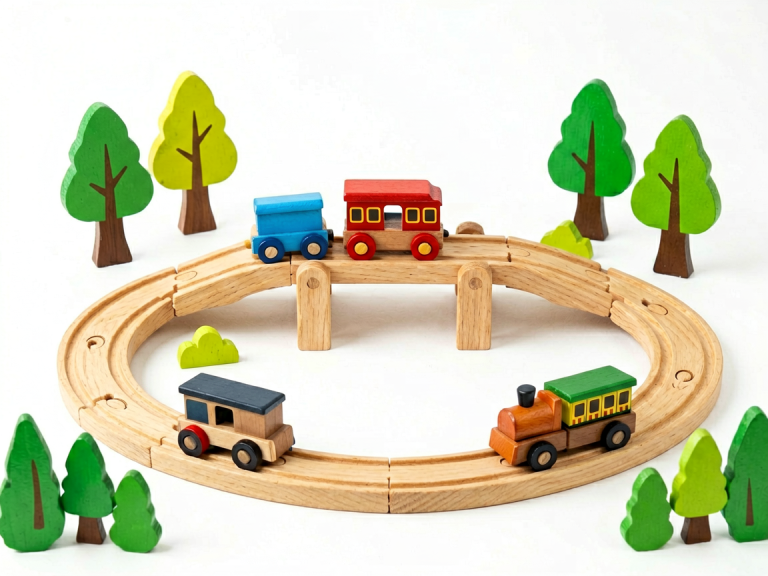
First, choose toys that align with the child’s intense interests (e.g., trains, dinosaurs, or specific characters). A child who loves trains might resist playing with blocks but will eagerly set up a train track with a peer. Use the special interest as a bridge: “You know a lot about trains. Can you show your friend how to connect the rails?” This positions the child as an expert, boosting confidence.
Second, use visual supports. For turn‑taking, a simple “talking stick” or a visual timer can make the rules concrete. Pair this with a turn‑taking toy like a marble run where each child adds one marble and watches it roll. The visual feedback reinforces the sequence.
Third, consider “social stories” in toy form. Small dolls or action figures can act out common social scenarios (e.g., sharing a toy, apologizing). The child can manipulate the figures, gaining a sense of control while learning the script. Finally, sensory toys – such as a weighted stuffed animal or a fidget cube – can be used as a calm‑down tool during play. When a child feels overwhelmed, they can signal using the toy to request a break, a skill that supports self‑regulation within a social context.
5. Practical Strategies for Caregivers and Educators
Using toys for social play is not just about the toys themselves; it is about how adults structure the environment. Here are actionable strategies:
- Set up the space for interaction. Arrange toys in clusters that encourage pairs or small groups. Avoid too many solo‑type toys. For example, have one large Lego tub instead of many individual sets.
- Use “we” language. Instead of “You build the tower,” say “Let’s see how we can build it together.”
- Introduce conflict intentionally. Give a limited number of desirable toys (e.g., only two fire trucks for three children) and guide them in negotiating a solution. This teaches real‑world compromise.
- Praise social behaviors, not just play. Say “I love how you waited for your friend to finish before taking your turn” rather than “Good building.”
- Rotate toys. Keep novelty alive to spark renewed social curiosity. A toy that has been ignored for weeks can become exciting again after a break.
Conclusion
Toys are far more than objects of amusement; they are instruments of connection. By thoughtfully selecting and guiding the use of toys, adults can transform playtime into a rich laboratory for social development. Whether it is a toddler rolling a ball, a preschooler negotiating roles in a pretend kitchen, or a school‑age child strategizing over a cooperative board game, each interaction builds the neural and emotional pathways that underpin healthy relationships. The key is to remember that the most valuable toy is not the one with the most features, but the one that brings people together. When we use toys as bridges rather than barriers, we give children the greatest gift: the ability to play, and live, with others.
(Word count: approximately 1,350)