Mastering Fine Motor Skills: Creative and Effective Activities to Do at Home
Introduction
Fine motor skills—the coordination of small muscles in the hands, fingers, and wrists—are foundational to countless everyday tasks, from buttoning a shirt and tying shoelaces to writing with a pencil and using utensils. For young children, developing these skills is a critical step toward independence and academic readiness. Yet in our fast‑paced, screen‑saturated world, opportunities for purposeful hand‑eye coordination practice can easily be overlooked. The good news is that parents and caregivers do not need expensive toys or specialized equipment; a wealth of engaging, effective fine motor activities can be created using items already found around the house. This article explores a range of such activities, each designed to strengthen dexterity, precision, and hand‑strength while keeping children entertained and motivated. By incorporating these simple, low‑cost exercises into daily routines, you can help your child build the fine motor foundation they need for success in school and life—all within the comfort of your own home.
—
1. The Importance of Fine Motor Development
Before diving into specific activities, it is helpful to understand why fine motor skills matter so deeply. These abilities are not merely about manual dexterity; they are directly linked to cognitive development, self‑confidence, and social participation. When a child learns to manipulate small objects, they simultaneously practice problem‑solving, sequencing, and focus. For example, threading a bead onto a string requires planning, patience, and bilateral coordination (using both hands together). Moreover, fine motor difficulties can lead to frustration with tasks like writing or dressing, potentially affecting a child’s self‑esteem and willingness to try new things. By intentionally offering fine motor challenges at home, we not only strengthen muscles but also foster resilience and a sense of accomplishment. The activities described below are suitable for toddlers through early elementary‑aged children, and many can be adapted for different skill levels.
—
2. Playdough and Clay: Molding Creativity
Playdough remains one of the most versatile and beloved fine motor tools. Its resistance provides excellent hand‑strengthening exercise, while the act of pressing, rolling, pinching, and cutting engages multiple muscle groups.
- How to use it: Encourage your child to roll playdough into long snakes, then pinch off small pieces to form balls. Use plastic knives or cookie cutters to cut shapes. Hide small beads or buttons inside the dough and have your child dig them out using only their fingertips.
- Variations for older children: Homemade clay (such as air‑dry clay) requires more force and precision. Children can sculpt miniature animals, bowls, or letters, which also introduces a sensory component.
- Why it works: The repetitive pinching and squeezing motions mimic the grip needed for holding a pencil. The bilateral coordination required to hold a rolling pin or press a cookie cutter equally supports overall motor planning.
This activity can be done in 10‑minute sessions and easily cleaned up, making it ideal for daily practice.
—
3. Beading and Threading: Concentration and Coordination
Threading beads onto a string or pipe cleaner is a classic fine motor exercise that demands precise hand‑eye coordination and patience.
- Materials: A shoelace, thick string, or pipe cleaner; a bowl of large beads (start with ones that have holes at least 0.5 cm wide). For beginners, wooden beads or pasta tubes (e.g., penne) work well.
- Activity ideas: Have your child create a pattern by alternating colors (red, blue, red, blue) or string specific numbers of beads to practice counting. You can also make “necklaces” for dolls or decorate a small Christmas tree.
- Increasing difficulty: Switch to smaller beads, or use a needle and thread for older children. Challenge them to thread while blindfolded—a fun game that enhances tactile sensitivity.
This activity strengthens the pincer grip (thumb and forefinger) and improves visual tracking. It also teaches focus, as each bead requires careful aim.
—
4. Scissor Skills and Paper Crafts
Cutting with scissors is a complex fine motor task that many children find both thrilling and challenging. It requires hand separation (using one hand to cut while the other stabilizes the paper) and controlled, sequential movements.
- Getting started: Use child‑safe scissors with a spring‑assist mechanism. Provide strips of paper with thick lines to cut along (start with straight lines, then curves, then zigzags).
- Creative projects: Have your child cut out shapes from magazines to create a collage. Make paper snowflakes by folding and cutting—a wonderful way to combine math concepts with motor practice.
- Safety tip: Supervise closely, and always use scissors appropriate for the child’s age.
Beyond cutting, tearing paper into small pieces (for a mosaic or confetti) is a fantastic pre‑scissors activity that builds finger strength and coordination.
—
5. Everyday Kitchen Tasks
The kitchen is a treasure trove of fine motor opportunities. Involving children in meal preparation not only teaches life skills but also provides authentic, purposeful hand exercises.
- Squeezing: Let your child squeeze oranges or lemons to make juice. Squeezing a citrus fruit requires a sustained, strong grip.
- Peeling and mashing: Peeling a banana or a hard‑boiled egg demands careful finger manipulation. Mashing potatoes or avocados with a fork builds wrist stability.
- Pouring and spooning: Set up a water‑play station with measuring cups and spoons. Practice pouring water from a small pitcher into a cup without spilling. Spoon dry beans or rice from one bowl to another.
- Cracking eggs: For older children, cracking eggs into a bowl teaches controlled force and hand‑eye coordination.
These real‑world tasks hold high intrinsic motivation because children love “helping” in the kitchen. They also naturally require bilateral coordination and graded movement (applying just the right amount of force).
—
6. Writing and Drawing Practice
While formal handwriting instruction comes later, playful pre‑writing activities lay the groundwork for letter formation.
- Sensory writing trays: Fill a shallow tray with sand, salt, or flour. Have your child use their index finger to draw shapes, letters, or simple pictures. The tactile feedback reinforces motor memory.
- Chalk and water: Draw with chalk on a sidewalk, then use a wet paintbrush to “erase” the lines—this combines gross and fine motor movements.
- Dot‑to‑dot and mazes: Printable dot‑to‑dot pages (with numbers or letters) encourage precise pencil control. Mazes require visual planning and hand‑eye coordination.
- Tweezer and clothespin activities: Ask your child to pick up small objects (cotton balls, pom‑poms, or pasta) using tweezers or clothespins and transfer them into a container. This directly mimics the pencil grip and strengthens the same muscles.
Variation: Use a hole puncher to punch holes around the edge of a paper shape, then thread a string through the holes (sewing cards).
—
7. Games and Puzzles
Board games and puzzles often involve fine motor components that children enjoy naturally.
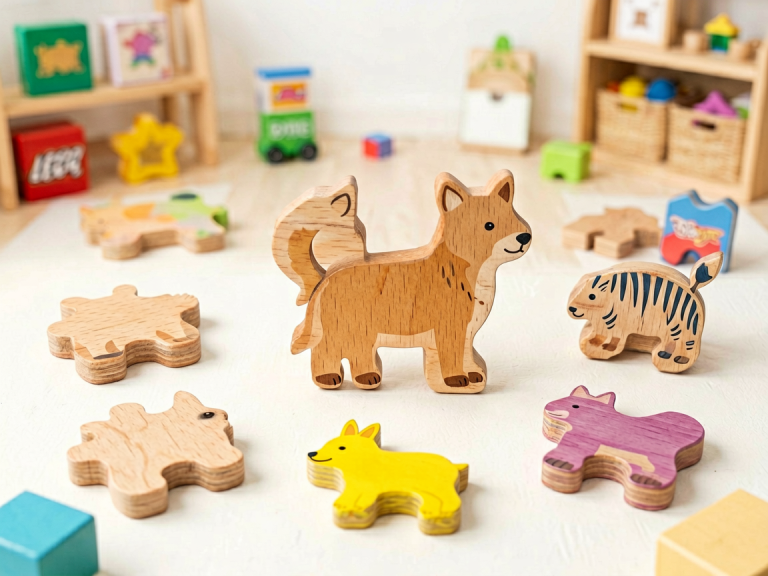
- Puzzles: Manipulating puzzle pieces—rotating them, pressing them into place—refines finger strength and spatial reasoning. Start with large, thick pieces and progress to smaller ones.
- Building blocks and LEGOs: Snapping together small bricks requires precise finger force and alignment. Encourage your child to build specific structures, such as a tower with a certain number of blocks.
- Classic games: “Operation,” where players use tweezers to remove tiny plastic pieces, is a direct fine motor training tool. “Jenga” demands careful, steady hand movements. “Pick‑up sticks” challenges the ability to move one stick without disturbing others.
These games also teach turn‑taking, patience, and resilience after failure—invaluable life lessons.
—
8. Sensory Bins and Small Objects
Sensory bins filled with rice, beans, sand, or shredded paper invite children to scoop, pour, and dig. Adding small objects like buttons, bottle caps, or plastic animals turns the bin into a fine motor treasure hunt.
- How to set up: Fill a large plastic bin with a base material (e.g., dry rice). Hide 10–15 small items inside. Provide spoons, tongs, small cups, and a magnifying glass. Ask your child to find all the hidden items and place them in a sorting tray.
- Extension activities: Have your child sort the found items by color, size, or texture. Use tweezers to pick up individual grains of rice—a very challenging but rewarding task.
- Mess management: Place the bin on a plastic tablecloth or use a vinyl mat for easy cleanup.
Sensory bins engage multiple senses while providing hours of fine motor practice. They are especially beneficial for children who are reluctant to practice handwriting because they feel like play, not work.
—
9. Tips for Encouraging Fine Motor Practice
Even with the best activities, success depends on how you present them. Here are practical tips to keep children engaged and progressing:
- Start where they are: If a child struggles to cut straight lines, begin with tearing paper or snipping playdough. Never push too hard—frustration can lead to avoidance.
- Make it a routine: Five to ten minutes of fine motor play each day is more effective than a long session once a week. Incorporate it into morning, after‑school, or bedtime wind‑down.
- Offer choices: Let your child pick between two or three options (e.g., “Do you want to play with playdough or do a puzzle?”). Ownership increases motivation.
- Celebrate effort, not outcome: Praise the persistence and careful movements, not just the finished product. For example, “I noticed how hard you worked to get that bead on the string—great focus!”
- Model and participate: Sit down and do the activity alongside your child. They learn by watching your techniques, and shared time strengthens your bond.
- Adapt for different ages: For toddlers, focus on gross‑fine combinations (e.g., rolling playdough on the floor). For preschoolers, add challenges like copying shapes. For school‑age children, introduce tools like hole punches, staplers, and scissors with more complex patterns.
—
Conclusion
Fine motor development is a gradual, ongoing process that benefits immensely from consistent, playful practice. By turning everyday moments into purposeful hand‑strengthening opportunities—whether through molding playdough, threading pasta, helping in the kitchen, or solving a puzzle—you give your child the tools they need to master essential life skills. These activities need not be elaborate or expensive; the most powerful materials are often the simplest: your child’s imagination, a handful of household items, and your encouraging presence. As you integrate these fine motor games into your home routine, you will likely notice not only improved dexterity but also greater confidence, independence, and joy in learning. And that, above all, is the greatest reward.