The Parents Guide to Social Play: Building Connection and Confidence in Children
Introduction
Every parent wants their child to grow up happy, connected, and socially adept. Yet in an age of screens, scheduled activities, and shrinking free time, the simple act of play—especially social play—often gets overlooked or rushed. Social play is not just a way for children to pass the time; it is the foundation upon which they learn to share, negotiate, empathize, and build friendships. As a parent, you are your child’s first playmate and most important social coach. But how do you guide without taking over? When do you step in, and when do you step back? This article offers a practical, research‑backed social play guide for parents, helping you nurture your child’s social skills through the most natural tool of all: play.
Why Social Play Matters More Than Ever
Social play—any playful interaction with one or more peers—is a critical brain‑building activity. Through pretend play, games with rules, and even rough‑and‑tumble wrestling, children practise the art of reading faces, interpreting tone, and adjusting their behaviour in real time. These micro‑interactions lay the neural pathways for social cognition. Studies show that children who engage in regular, unstructured social play develop stronger executive function skills, including impulse control and cognitive flexibility. They are also better equipped to handle disagreements, because they have rehearsed countless small conflicts during playdates and recess.
Moreover, social play directly nurtures emotional intelligence. When a toddler grabs a toy and another cries, the moment is charged with learning. With gentle guidance, both children discover that feelings matter, that compromise is possible, and that repairing a relationship feels good. In a world where digital communication often replaces face‑to‑face contact, the ability to read non‑verbal cues is rapidly eroding. Social play is the antidote. It forces children to look each other in the eye, listen to vocal inflections, and respond to body language—skills that no app can teach.
For parents, understanding the “why” behind social play helps you stay patient. When you see two preschoolers bickering over a plastic dinosaur, it is easy to feel frustrated. But reframing that conflict as a learning laboratory allows you to respond with calm intention rather than irritation.
The Stages of Social Play: What to Expect and How to Support
Children’s social play evolves in predictable stages, and knowing them helps you choose appropriate activities and avoid unrealistic expectations.
Parallel Play (ages 2–3)
Very young children often play side by side but not together. They might both be building with blocks on the same rug, yet each is absorbed in their own structure. This is not antisocial; it is a developmental milestone. As a parent, you can support parallel play by providing enough duplicate toys and a safe, open space. Refrain from forcing interaction. Instead, model brief social exchanges: “Look, Jamie is making a tower. Yours is tall too!” Over time, toddlers will naturally begin to mirror and then invite.
Associative Play (ages 3–4)
Here children start to share materials, talk about what they are doing, and even borrow ideas. The play is still loosely organized—they may all be “playing house” but each follow their own storyline. At this stage, your role is to offer light structure. Suggest roles (“Who wants to be the baby? Who wants to be the dog?”) and gently encourage turn‑taking. If conflict arises, coach without solving. For example: “You both want the blue truck. What could we do?” Pause and let them try solutions.
Cooperative Play (ages 4–5 and beyond)
Now children plan together, assign roles, and work toward shared goals—a pretend restaurant, a spaceship voyage, a board game. This stage requires patience because rules are invented and changed on the fly. Your job is to provide enough props and time, and to resist fixing every misunderstanding. When a group of five‑year‑olds argues about whether a cardboard box is a submarine or a castle, let them negotiate. They are building collaboration skills that will serve them in school and life.
Practical Tips for Parents: Facilitating Social Play Without Over‑Managing
1. Curate the environment, not the action.
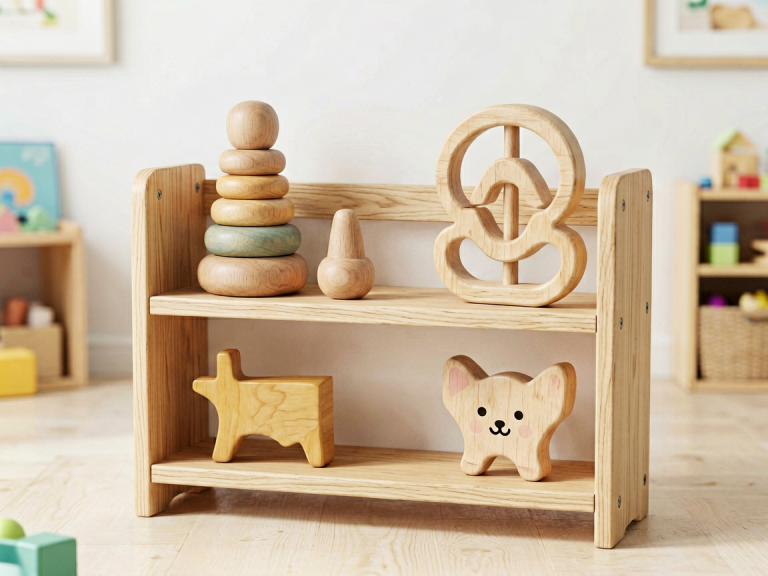
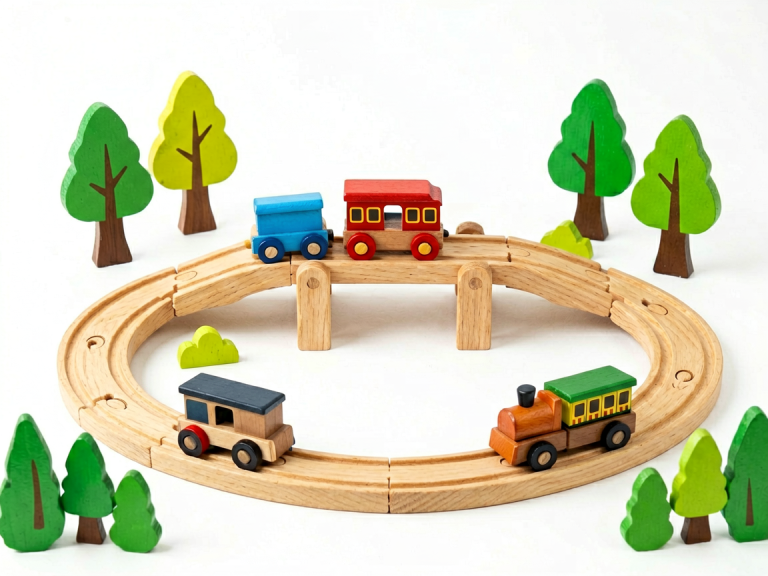
Set up play spaces that encourage interaction: a low table for two, a bucket of LEGOs in a shared area, dress‑up clothes hanging where kids can grab them. Leave out open‑ended toys—blocks, art supplies, natural materials—that invite multiple children to contribute. Then step back. Let the children decide how to use the materials. Resist the urge to direct. The magic happens when adults are near enough to supervise but far enough to allow spontaneous invention.
2. Use playdates as low‑pressure practice.
Short, well‑timed playdates (45 minutes to an hour for young children) are ideal. Start with one friend at a time. Before the friend arrives, talk with your child about what they might play. During the playdate, stay present but unobtrusive. If things go smoothly, you can slip into the kitchen—but remain within earshot. When you notice tension rising, offer a quiet observation: “It looks like you both want the red marker. Maybe you can take turns?” Avoid sweeping in to declare a winner or impose a solution. Instead, help them name the problem and let them generate options.
3. Model social skills through your own interactions.
Children learn more from what you do than what you say. When you greet a neighbour warmly, share a laugh with a friend, or apologise after a minor mistake, your child internalises those scripts. Involve your child in your own social moments. Let them see you compromise: “I’d like to go to the park, but Daddy wants to stay home. We chose to go to the park today and he will choose tomorrow.” This shows that negotiation is normal.
4. Teach emotional vocabulary alongside play.
Social play is full of big feelings: excitement, jealousy, frustration, joy. Before a playdate, you can practice words: “When you feel angry, you can say ‘I don’t like that.’” During the play, if a child cries, help them label: “You are sad because your tower fell. That’s hard.” Naming emotions reduces the intensity and gives children a tool for future conflicts. Over time, they will begin to use those words themselves.
Handling Common Challenges: Shyness, Conflict, and Screens
Shy or hesitant children
Some children hang back at the edge of play. Rather than pushing them in, use a gentle, gradual approach. For preschoolers, you can engage in parallel play next to them and then slowly add a second child into the activity. For older kids, find a small shared interest—a special stamp collection, a love for dinosaurs—that can be a bridge. Never label your child as “shy”; instead say, “You like to watch first. That’s a smart way to learn.” Respect their temperament, but keep offering low‑stakes opportunities.
Conflict as curriculum
Fights over toys, space, or leadership are inevitable. When conflict erupts, resist the urge to separate the children immediately. If no one is in danger, pause and observe. Often the children will negotiate on their own within seconds. If intervention is needed, use a calm, neutral approach: “I see two children who both want the same swing. What can we do?” Avoid blaming. If the conflict escalates, calmly separate them and offer an alternative activity. Later, when everyone is calm, have a brief debrief: “What happened? What could you do differently next time?” This reflection transforms conflict into growth.
Managing screen time and social play
Screens are often the enemy of social play, but they can also be a bridge. A short cooperative video game (like Minecraft in creative mode) can require communication and joint planning. However, passive consumption—scrolling alone—displaces active social interaction. Set clear boundaries: no screens during playdates, or schedule screen‑free hours at home. When screens are used, choose content that invites conversation, such as a show you watch together and then talk about. Model putting your own phone away when children are playing.
Creating a Daily Rhythm That Honors Social Play
Social play does not have to be reserved for special playdates. You can weave it into everyday life. After school, instead of rushing to structured activities, allow a “free play hour” where your child can invite a neighbour or sibling into an unstructured game. On weekends, encourage outdoor play with other families—a trip to the park where kids can form spontaneous games of tag or hide‑and‑seek. Even family meals can be a form of social play, with conversational games like “Two Truths and a Lie” that build bonding and listening skills.
Your presence matters most. When you join your child’s play—not as a director but as a willing partner—you send a powerful message: play is valuable and you are safe with me. Build a small ritual, like a nightly “tickle monster” game or a silly dance after dinner. These moments of shared laughter fortify your relationship and give your child a reservoir of positive social experiences to draw from when they interact with peers.
Conclusion
Social play is both simple and profound. It does not require expensive toys or elaborate planning. What it requires is a parent who understands the developmental benefits, who can step back when needed, and who steps in with calm support when the emotional stakes rise. By using this social play guide, you can help your child build the foundational skills of empathy, cooperation, and confidence—skills that will serve them far beyond the playground. So set out the blocks, invite a friend over, and let the play begin. You are not just supervising; you are nurturing a future of meaningful human connection.