Striking the Balance: A Comprehensive Guide to Managing Educational Play for Optimal Learning
Introduction
In the modern landscape of childhood development, educational play has emerged as a cornerstone of effective learning. Unlike traditional rote memorization or passive instruction, educational play harnesses children's innate curiosity and joy to foster cognitive, social, and emotional growth. However, the very nature of play—spontaneous, open-ended, and often chaotic—can be challenging for parents, educators, and caregivers who strive to ensure that learning objectives are met. The question is not whether play has educational value, but rather how to manage it intentionally without suffocating its natural spirit. Effective management of educational play requires a delicate balance: setting clear goals while preserving the freedom that makes play intrinsically motivating. This article explores practical strategies, theoretical foundations, and real-world applications for managing educational play, offering a roadmap for transforming unstructured fun into a powerful vehicle for learning.
Understanding the Essence of Educational Play
Defining Educational Play and Its Core Benefits
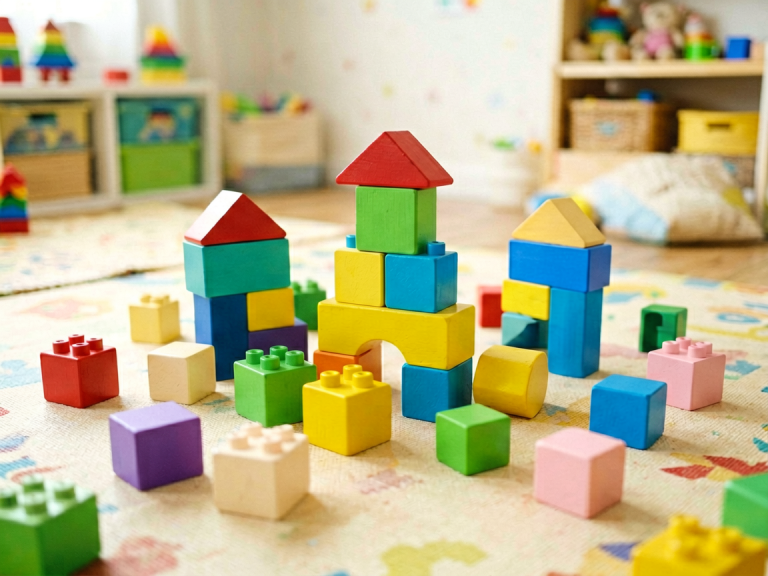
Educational play is not a single activity but a broad category encompassing any playful engagement that deliberately or incidentally promotes learning. It ranges from structured games with explicit academic goals, such as math board games, to more open-ended activities like building blocks or imaginative role-playing, where children develop problem-solving skills, language, and social competence. The core benefit lies in its ability to engage multiple domains simultaneously. For instance, when children construct a fort, they practice spatial reasoning, engineering principles, negotiation with peers, and persistence in the face of failure. Recognizing this holistic value is the first step in managing educational play effectively. Instead of viewing play as a break from learning, we must see it as a primary mode through which young minds integrate new knowledge and skills.
The Role of Play in Developmental Psychology
Research from pioneers like Jean Piaget, Lev Vygotsky, and Maria Montessori underscores that play is integral to cognitive development. Piaget emphasized that play allows children to assimilate new experiences into existing mental schemas, while Vygotsky highlighted the “zone of proximal development,” where guided play with a more knowledgeable other—whether a parent, teacher, or older peer—can accelerate learning. Montessori’s prepared environments show that when play materials are carefully designed to isolate specific concepts (e.g., counting beads for numeracy), children can self-correct and learn independently. Understanding these theoretical underpinnings helps managers of educational play appreciate why certain interventions work and others backfire. Too much adult direction can stifle exploration, while too little may leave children wandering aimlessly. The sweet spot lies in thoughtful scaffolding.
Setting Clear Learning Objectives
Defining Goals Without Dictating the Journey
Before introducing any play opportunity, it is essential to articulate what you hope children will gain. Are you aiming to develop fine motor skills, reinforce letter recognition, encourage collaboration, or cultivate creativity? Having specific, age-appropriate learning objectives in mind—for instance, “By the end of this block-building session, children will be able to identify and create symmetrical patterns”—provides a guiding compass. However, the objectives should not be rigidly enforced. The magic of educational play is that children often exceed or diverge from the intended goals, exploring tangential avenues that prove equally valuable. Therefore, managers should view objectives as flexible aspirations rather than checklists. One effective technique is to write down two or three potential learning outcomes per activity and then observe which ones naturally emerge. This allows for intentionality while preserving the child-led nature of play.
Integrating Implicit and Explicit Learning
Not all educational play needs to wear its agenda on its sleeve. Implicit learning—where knowledge is acquired unconsciously through immersion—is often more durable and enjoyable. For example, a child playing a grocery store simulation learns arithmetic, social scripts, and vocabulary without ever being told, “Now we will practice counting.” Managing this type of play involves curating the environment and materials so that learning opportunities are embedded. A simple change like providing a play cash register with real-looking coins and price tags transforms the same activity into a richer educational experience. Conversely, explicit educational games (e.g., phonics bingo) have their place when a specific skill requires focused practice. The key is to mix both approaches, matching the method to the child’s current needs and interests.
Creating a Structured Yet Flexible Environment
Designing Physical Spaces for Purposeful Play
The environment is often called the “third teacher” in early childhood education. Managing educational play begins with the physical setup: a designated play area that is organized, accessible, and inviting. Shelves at child height with clearly labeled bins of toys (e.g., “building,” “art,” “puzzles”) allow children to independently choose materials aligned with their interests and learning goals. However, structure should not mean rigidity. Rotating toys periodically—removing some and introducing new ones—keeps the environment fresh and challenges developing skills. For example, when a child masters a 24-piece puzzle, replacing it with a more complex 48-piece version maintains an appropriate difficulty level. Additionally, incorporating natural elements like sand, water, and plants can stimulate sensory learning and open-ended exploration. The goal is to create a space where children can flow between activities without constant adult intervention, yet where the design itself channels learning.
Time Management: Balancing Free Play and Guided Sessions
One of the most common pitfalls in managing educational play is over-scheduling. Children need extended, uninterrupted periods of free play to dive deeply into their own ideas—this is where problem-solving and creativity truly flourish. However, some guided sessions with adult facilitation are also beneficial, particularly for introducing new concepts or skills. A practical approach is to follow the “90-10 rule” in daily schedules: 90% of play time is child-led, with the adult acting as an observer and gentle resource, while 10% is dedicated to more structured, goal-oriented games or activities. During the structured segments, adults can explicitly teach a game’s rules, model strategies, or introduce vocabulary. Once the new concept is understood, it can be released back into the free-play environment for children to practice on their terms. This rhythm respects children’s autonomy while ensuring that formal learning moments are not lost.
Selecting Appropriate Games and Activities
Matching Play to Developmental Stages and Interests
Effective management requires a keen understanding of child development. A toddler who derives joy from cause-and-effect toys (e.g., a push toy that makes sounds) will not benefit from a complex strategy board game. Conversely, a seven-year-old ready for symbolic thinking may thrive on games involving logic and prediction, such as simple chess or cooperative games like “Hoot Owl Hoot!”. Managers should continually observe children’s current abilities and adjust offerings accordingly. A helpful strategy is to maintain a mental or written inventory of skills—fine motor, memory, language, social-emotional—and cross-reference it with available games. For instance, if a child struggles with turn-taking, a collaborative game where everyone wins together can ease anxiety and build patience. Selecting activities that are slightly above a child’s current level—within the zone of proximal development—promotes growth without causing frustration.
The Role of Digital and Screen-Based Educational Play
In the digital age, screens are an inevitable part of children’s lives, and many educational apps and games can be valuable. Managing digital play is especially challenging because of its addictive design. The key is to be intentional: choose apps that require active thinking (e.g., puzzle-based, coding, or creative tools) rather than passive consumption (e.g., mindless tapping or watching videos). Set clear time limits—typically no more than 30 minutes per day for young children—and always co-play when possible. Co-playing allows the adult to extend the learning by asking questions (“How did you solve that level?”), connecting the digital experience to real life, and modeling self-regulation. Additionally, balance screen time with physical, hands-on play. A child who loves a geometry app should also have access to tangrams and building sets to translate digital concepts into tangible manipulation.
Facilitating Guided Play Without Over-Intervention
The Art of Questioning and Observing
One of the most sophisticated skills in managing educational play is knowing when to step back and when to step in. The adult’s role is not to direct but to facilitate. Effective facilitation involves asking open-ended questions that prompt deeper thinking: “What do you think would happen if you added one more block?” “How could you make the tower stronger?” “Can you think of another way to sort these buttons?” Such questions stimulate metacognition—thinking about thinking—without giving away answers. Equally important is observation: quietly watching a child’s approach can reveal their problem-solving strategies, misunderstandings, and interests. Taking brief notes or mental snapshots helps tailor future play experiences. Over time, this observational practice becomes second nature, allowing the manager to subtly introduce new challenges or materials just when the child is ready.
Knowing When to Intervene for Conflict Resolution
Social play inevitably brings conflicts—over sharing, rules, or roles. These moments are powerful educational opportunities but require careful management. The goal is to guide children toward resolving their own disputes rather than imposing solutions. A simple framework is to first acknowledge feelings (“I see you’re upset because he took the red car”), then ask each child to express their perspective, and finally invite them to brainstorm solutions (“What could you both agree on?”). This process teaches empathy, negotiation, and self-regulation. However, if a conflict becomes physically aggressive or emotionally overwhelming, the adult must step in firmly to ensure safety, then calmly model conflict-resolution language. Over time, children internalize these scripts and become more independent in managing their own play dynamics.
Assessing Learning Outcomes Through Play
Using Authentic Assessment Methods
Traditional testing often destroys the playful spirit. Instead, managing educational play includes alternative forms of assessment that are integrated into the activity itself. Portfolios—collections of a child’s drawings, structures, or written stories—provide a rich record of progress. Anecdotal records: jotting down short notes about significant moments (e.g., “Mia used the word ‘enormous’ spontaneously when describing her block tower”) capture learning that standardized tests miss. Another method is “play-based interviews” where the adult asks the child to explain their creation: “Tell me about your project. Why did you choose these colors? How does this part work?” These conversations reveal the child’s conceptual understanding, language development, and reasoning. For group play, sociograms or simple peer feedback can assess social skills like cooperation and leadership.
Adjusting Strategies Based on Observations
Assessment is useless if it does not inform future management. After each play session, take a few minutes to reflect: Did the child demonstrate the intended learning objectives? Were they engaged? Did any unexpected learning occur? Was the level of challenge appropriate? Based on these reflections, adjust the environment, materials, or your own interaction style. For example, if a child avoided a counting game, perhaps it was too easy or too hard; you might create a variation that uses their favorite animals as counters. If a child constantly argued over game rules, consider introducing a visual rule chart or a simpler cooperative game. This iterative process, similar to the “plan-do-review” cycle used in high-quality early childhood programs, ensures that educational play evolves with the child.
Overcoming Common Challenges
Managing Distraction and Loss of Focus
Even the most beautifully designed educational play can falter when a child becomes distracted or loses interest. This is normal and often signals that the activity is not optimally matched to their current state. Rather than forcing attention, managers should recognize signs of fatigue or over-stimulation. A simple fix is to offer a physical break: jumping jacks, a short dance, or a sensory reset (e.g., squeezing a stress ball). For persistent inattention, examine the environment—are there too many toys? Is the lighting harsh? Is the activity too long? Breaking complex games into shorter rounds or introducing a timer can help. Sometimes, a child’s distraction is actually exploration; they may be noticing a spider outside the window, which itself becomes an impromptu learning opportunity about nature. Flexibility is key.
Handling Competition and Frustration
Many educational games involve winning and losing, which can trigger tears, tantrums, or cheating. Managing this requires teaching a growth mindset: emphasize effort, learning, and fun over outcome. Use phrases like “What strategy did you try?” instead of “Who won?” For highly competitive children, start with cooperative games where everyone works toward a common goal. When frustration arises, validate the feeling (“It’s hard when you keep losing”), then teach coping strategies like taking a deep breath or asking for a practice round. Some children benefit from “rematch” opportunities, where they can try again immediately with minor rule modifications. Over time, children learn that losing is a chance to learn, not a failure. The adult’s own reactions to competition—modeling grace in both winning and losing—set the most powerful example.
Conclusion
Managing educational play is not about controlling every moment or turning every game into a lesson. It is about creating a rich, responsive ecosystem where learning flourishes naturally through joy, curiosity, and appropriate guidance. By understanding the developmental foundations of play, setting flexible objectives, curating environments and materials, facilitating without dominating, and assessing through authentic observation, adults can become skilled stewards of children’s playful learning journeys. The challenges—distractions, conflicts, frustration—are not obstacles but opportunities for deeper growth. In the end, the most successful managers of educational play are those who trust children’s innate drive to learn, while providing the structure and support that enables that drive to reach its fullest potential. The balance is delicate, but when achieved, it transforms childhood education into an experience that is not only effective but also deeply joyful—a gift that lasts a lifetime.