The Joy of Unplugged Play: Screen-Free Birthday Gifts That Spark Creativity and Connection
In an era where children’s attention is constantly pulled toward glowing screens—tablets, smartphones, video games, and endless streaming content—the simple act of giving a gift that requires no battery, no Wi-Fi, and no login has become a quiet revolution. Birthdays are a perfect occasion to celebrate a child’s individuality, curiosity, and love for discovery. Yet many parents and gift-givers find themselves trapped in the cycle of buying the latest electronic gadget, only to watch the child lose interest after a few hours. The truth is that screen-free birthday gifts offer far more than just a break from technology. They invite children into a world of hands-on exploration, imaginative play, and genuine human connection. This article explores why these gifts matter, what types of screen-free presents can delight children of all ages, and how to choose the perfect one that will be remembered long after the birthday candles are blown out.
Why Choose Screen-Free Gifts?
The modern childhood landscape is increasingly dominated by digital media. According to the American Academy of Pediatrics, children aged 8 to 12 spend an average of four to six hours a day on screens, and teenagers often exceed nine hours. This overexposure is linked to a range of concerns, including reduced attention spans, poor sleep quality, increased rates of anxiety and depression, and a decline in face-to-face social skills. Screen-free gifts counteract these trends by encouraging activities that are proven to support healthy development.
First, unplugged play fosters creativity. Without pre-programmed narratives or flashy graphics, a child must invent their own stories, build their own worlds, and solve problems using their own imagination. A box of wooden blocks can become a castle, a spaceship, or a city skyline depending on the child’s mood. Second, screen-free gifts promote physical activity. Outdoor toys like bicycles, kites, and jump ropes get children moving, which improves motor skills, coordination, and overall fitness. Third, these gifts strengthen social bonds. Board games, puzzles, and collaborative crafting projects require communication, negotiation, and teamwork—skills that are often diminished in solitary screen time. Finally, screen-free presents reduce eye strain and help regulate sleep patterns, since natural light and physical exertion are far healthier than the blue light emitted by devices. By choosing gifts that do not depend on electricity, we give children the gift of presence—the ability to be fully engaged in the moment, with themselves and with others.
Top Categories of Screen-Free Birthday Gifts
The world of screen-free toys is vast and wonderfully diverse. The key is to match the gift to the child’s age, interests, and developmental stage. Below are some of the most effective and beloved categories, each with specific examples and benefits.
Creative and Artistic Kits
Every child is an artist at heart. Art supplies encourage self-expression, fine motor skills, and the confidence to try new things. For a preschooler, a simple set of washable markers, chunky crayons, and large sheets of paper can provide hours of joyful scribbling. Older children might appreciate a high-quality sketchbook with professional-grade colored pencils, or a watercolor set with brushes. Beyond drawing, consider craft kits: friendship bracelet looms, bead sets for jewelry making, or polymer clay for sculpting. One particularly engaging option is a “create your own puppet” kit, which includes felt, glue, googly eyes, and yarn. Children can design characters and then put on puppet shows for family and friends. These gifts not only occupy hands but also build a sense of accomplishment when the child sees their finished artwork displayed on the refrigerator or given as a present to grandparents.
Outdoor Adventure Gear
Nothing beats the thrill of fresh air and movement. Outdoor gifts invite children to explore their environment and develop a love for nature. A classic choice is a sturdy bicycle or a balance bike for younger kids, which teaches coordination and balance. Scooters, skateboards, and roller skates are also excellent for building leg strength and confidence. For more adventurous spirits, consider a children’s camping set: a small tent, a sleeping bag, and a flashlight for backyard “expeditions.” Nature exploration kits—complete with a magnifying glass, bug catcher, compass, and field guides to birds or insects—turn a simple walk in the park into a scientific mission. Sports equipment like a soccer ball, basketball hoop, or badminton set encourages group play and healthy competition. Even a plain old jump rope can be a source of endless games and physical challenges. The beauty of outdoor gifts is that they often involve the whole family, creating cherished memories of sunny afternoons spent playing catch or flying a kite.
Books and Storytelling Sets
In a world of short video clips and bite-sized content, a good book remains a superpower. Gifting a book means giving a child access to entire universes, different perspectives, and the quiet joy of reading. For early readers, choose thick, vividly illustrated picture books with rhythmic text that begs to be read aloud. Popular classics like *Where the Wild Things Are* or *The Very Hungry Caterpillar* never go out of style. For school-age children, a chapter book series—such as *Harry Potter*, *Percy Jackson*, or *The Diary of a Wimpy Kid*—can ignite a lifelong passion for reading. But go beyond just handing over a book: consider a complete storytelling set. Some companies sell “story cubes” with pictures on each die; children roll them and craft a narrative from the images. Audio story players (like Yoto or Toniebox) that use physical cards or figurines instead of screens are also fantastic screen-free options. They allow children to listen to stories, songs, and educational content without ever looking at a screen.
Board Games and Puzzles
Board games are the ultimate social screen-free gift. They teach patience, strategy, turn-taking, and how to win or lose gracefully. For very young children, simple matching games like “Memory” or cooperative games like “Hoot Owl Hoot!” are perfect. Older children can dive into strategy games like Settlers of Catan (junior edition), Ticket to Ride, or the ever-popular Carcassonne. Puzzles, too, offer tremendous cognitive benefits. A 500-piece jigsaw puzzle of a world map, a dinosaur scene, or a famous painting requires focus, spatial reasoning, and perseverance. Families can spend rainy afternoons working on puzzles together, chatting and collaborating. For an extra twist, look for 3D puzzles—build a model of the Eiffel Tower or the Taj Mahal from cardboard pieces. These gifts provide a sense of shared achievement that no app can replicate.
Building and Construction Toys
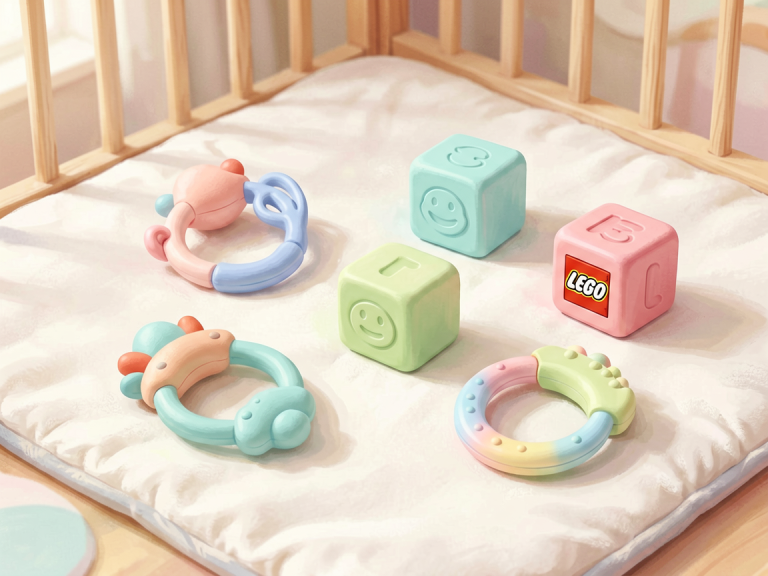
The urge to build is fundamental to childhood. Construction toys develop engineering thinking, fine motor control, and creativity. The classic wooden block set is a timeless starter, but there are now many modern alternatives. Magnetic building tiles like Magna-Tiles or PicassoTiles allow children to create colorful 3D structures that snap together satisfyingly. LEGO bricks remain a gold standard, but consider purchasing sets that encourage open-ended building rather than following strict instructions—such as the LEGO Classic boxes with hundreds of random pieces. Other great options include K’NEX, Lincoln Logs, or marble run kits where children build tracks and watch marbles race down. These gifts can be enjoyed alone or with friends, and they often grow with the child as their building ambitions become more complex.
Science and Experiment Kits
For the curious child who always asks “why,” a science kit can be the gift that sparks a lifelong interest in STEM. There are kits for every age: a simple volcano science kit that uses baking soda and vinegar for a fizzy eruption; a crystal-growing lab where children observe beautiful formations over a week; a microscope set that opens up the hidden world of pond water, leaves, and insect wings. Older children might enjoy a chemistry set with safe but exciting experiments, or a robotics kit that requires assembling gears and motors—still screen-free if it does not include a digital interface. Gardening kits are another wonderful option: soil, seeds, and pots allow children to learn biology and responsibility as they watch a bean plant sprout and climb a trellis. These gifts feed natural curiosity and teach that learning can be messy, hands-on, and incredibly fun.
Musical Instruments
Music is a universal language, and introducing a child to an instrument at a young age can enhance cognitive development, emotional expression, and patience. For toddlers, simple percussion instruments like maracas, a tambourine, or a xylophone are ideal. Preschoolers can graduate to a small ukulele or a recorder. For older children, consider a harmonica, a beginner’s guitar, or a keyboard (as long as it does not have a built-in screen). A drum set (even a small practice pad and sticks) can help channel high energy into rhythmic creativity. Many companies now offer high-quality, child-friendly instruments that are durable and produce pleasant sounds. Pair the instrument with a colorful songbook of nursery rhymes or popular tunes, and you’ve given a gift that can be enjoyed for years—and maybe even become a lifelong passion.
Subscription Boxes (Screen-Free)
For a birthday gift that keeps giving, consider a subscription box that delivers monthly surprises—all without a screen. Several companies offer themed boxes for children. For example, KiwiCo’s “Koala Crate” for ages 2–4 delivers hands-on art and science projects; “CrunchLabs” sends engineering toys; “Little Passports” brings geography and culture exploration through maps, activity sheets, and small artifacts. Other options include “Lovevery” play kits for babies and toddlers, or “Mel Science” for older kids. Each month, the child receives a new kit with all materials included, encouraging them to build, create, and experiment. These subscriptions teach delayed gratification and the joy of anticipation—a refreshing change from the instant gratification of screens.
How to Choose the Perfect Screen-Free Gift
With so many wonderful options, the challenge becomes selecting the gift that will truly resonate with the child. Start by considering the child’s age and developmental stage. A toy that is too simple will bore them; one that is too advanced may frustrate them. Next, think about the child’s unique interests. Does she love animals? A nature exploration kit or a set of animal figurines for imaginative play would be ideal. Does he enjoy building? Go for LEGOs or magnetic tiles. Is he shy and prefers calm activities? Art supplies or a puzzle book might be perfect. Also consider the child’s temperament. A hyperactive child might benefit from an active outdoor gift, while a quiet child might appreciate a musical instrument or a crafting kit. Finally, think about the family’s values. Some parents prefer open-ended toys that encourage creativity rather than prescribed outcomes, while others like structured kits that teach a specific skill. If in doubt, ask the parents for suggestions—they know their child best.
Conclusion
In a culture that often equates “more screens” with “better entertainment,” choosing a screen-free birthday gift is a bold and loving act. It says to a child: “I believe in your imagination. I want you to move, create, and connect with the real world. I value your time and your health.” Whether it’s a set of bright crayons, a sturdy bicycle, a captivating book, or a box of magnetic tiles, the best gifts are those that invite a child to play deeply, to learn joyfully, and to grow wholly. They are the gifts that do not flash, beep, or demand Wi-Fi—but they leave a lasting impression that no digital download ever could. So this birthday, step away from the electronics aisle. Give the gift of unplugged wonder. Your child—and their future self—will thank you.