The Art of Less: How to Manage Choosing Fewer Toys for a Richer Childhood
In an era of overflowing toy bins, flashing plastic gadgets, and the relentless marketing of “must-have” playthings, many parents find themselves drowning in a sea of stuffed animals, building blocks, and half-broken action figures. The average American child today owns over 200 toys, yet plays with only a fraction of them. This paradox—abundance leading to boredom, clutter, and even diminished creativity—has sparked a growing movement toward simplicity. Choosing fewer toys is not about deprivation; it is about intentional curation. It is a parenting skill that requires reflection, discipline, and a deep understanding of how children truly learn and grow. This article explores how to manage the process of selecting fewer toys, offering a practical framework for families who want to swap quantity for quality.
The Philosophy Behind Fewer Toys: Why Less Is More
Before diving into practical strategies, it is essential to understand the rationale behind owning fewer toys. Research in developmental psychology and early childhood education consistently points to the benefits of a simplified play environment. When a child is surrounded by dozens of toys, their attention becomes fragmented. They flit from one object to the next, rarely engaging deeply with any single item. This phenomenon, known as “choice overload,” can actually impede the development of sustained focus, problem-solving skills, and imaginative play.
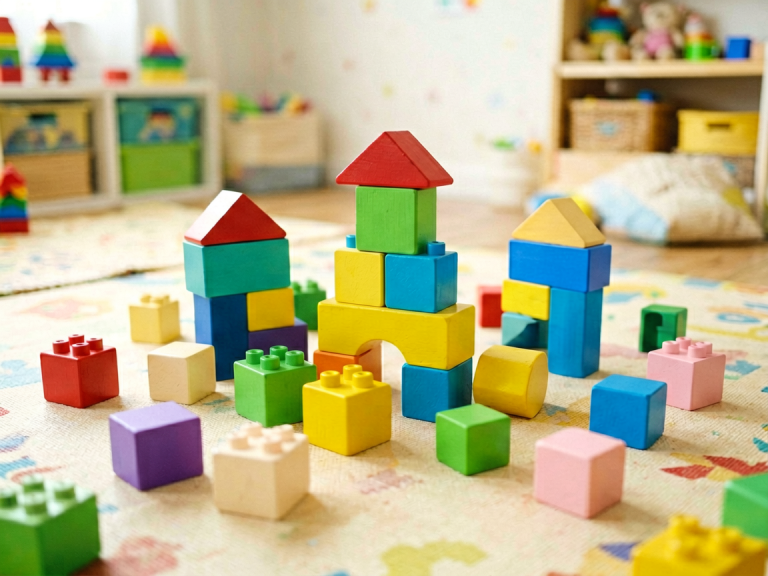
Conversely, a smaller, carefully selected collection encourages what educators call “deep play.” With fewer options, children must invent, repurpose, and explore the full potential of each toy. A set of wooden blocks becomes a castle, a spaceship, or a mountain range. A single doll can star in endless storylines. This kind of open-ended play is the bedrock of cognitive flexibility, language development, and social-emotional learning. Moreover, fewer toys mean less mess, less cleanup time, and fewer arguments over whose turn it is with the latest toy. The home becomes calmer, and children learn to value and care for what they have.
The goal, then, is not to eliminate playthings entirely but to become a thoughtful gatekeeper. The question shifts from “How many toys should I buy?” to “Which toys will best support my child’s growth and joy?” This mindset is the first step in managing the process of choosing fewer toys.
Assessing Your Child’s Current Landscape: The Great Audit
The journey toward fewer toys begins with a honest assessment of what already exists. Most families are surprised to discover how many toys have accumulated—gifts from relatives, party favors, impulse purchases, and “educational” gadgets that were used for two days. Conducting a toy audit is a crucial first step. Set aside a weekend when you and your child are relaxed, and gather every single toy from every corner of the house. Sort them into categories: (1) toys your child actively plays with, (2) toys that are rarely touched, (3) broken or incomplete toys, and (4) age-inappropriate items.
This process should be done collaboratively with your child, especially if they are older than three. Explain that you are going to make their play space more fun by keeping only the toys they truly love. Use gentle language: “Let’s find the toys that make you happy and help you have great adventures.” For the toys in the second, third, and fourth categories, decide on a destination: donate, sell, recycle, or store temporarily. Be firm but compassionate. Avoid making your child feel like they are losing something; instead, frame it as making room for better play.
The goal of the audit is not to achieve a specific number but to reduce the volume to a manageable level. A good rule of thumb is to aim for a collection that fits neatly into designated storage. If toys overflow from bins onto the floor, you likely have too many. Many minimalist parenting advocates suggest that for children under six, around 20 to 30 well-chosen toys (excluding large items like a play kitchen or a tricycle) is more than sufficient. For older children, the number can increase slightly, but the principle remains: each toy should earn its place through regular use and genuine value.
Strategies for Selecting Quality Toys: Criteria That Matter
Once you have cleared the clutter, the real work begins: making deliberate choices about new acquisitions. This requires a shift from reactive purchasing (buying because a child wants it or because it is on sale) to proactive selection. The following criteria can guide you in deciding whether a toy deserves a spot in your home.
Open-endedness: The best toys are those that can be used in multiple ways. Blocks, magnet tiles, loose parts (e.g., stones, fabric scraps, wooden spools), art supplies, and simple dolls or action figures allow children to direct their own play. Avoid toys that have a single purpose—especially electronic ones that light up and talk but limit creativity. A toy that does everything for the child leaves little room for imagination.
Durability and safety: Cheap plastic toys break quickly, leading to frustration and waste. Invest in well-made toys from sustainable materials (wood, metal, fabric) that can withstand years of use and even be handed down. Check for non-toxic finishes and sturdy construction. This is not about spending more money overall, but about spending wisely. A $40 wooden train set that lasts a decade is far better than ten $4 plastic trains that fall apart in months.
Developmental appropriateness: A toy should match your child’s current abilities and interests while offering a slight challenge. A puzzle that is too easy will bore; one that is too hard will frustrate. Pay attention to what your child is gravitating toward naturally. If they are obsessed with dinosaurs, a set of dinosaur figurines and a dinosaur book may be more valuable than a generic building set. Follow their lead.
Sensory and motor engagement: Toys that engage multiple senses—texture, sound, weight, smell—are often more enriching than visually flashy ones. Clay, sand, water, and musical instruments provide rich tactile experiences. Similarly, toys that require fine motor manipulation, like threading beads or lacing cards, strengthen hand muscles crucial for writing.
Social and cooperative potential: In an age of solo screen time, toys that invite shared play are precious. Board games, cooperative building sets, and dramatic play props (kitchen sets, doctor kits, costumes) encourage communication, negotiation, and empathy. Prioritize toys that can be enjoyed by siblings or friends.
When you apply these criteria, you will naturally buy fewer toys. You will pass over the cheap, trend-driven item at the checkout counter. You will say no to the noisy plastic robot that will be forgotten in a week. Each purchase becomes a conscious decision, one that aligns with your family’s values and your child’s genuine needs.
Involving Your Child in the Process: Teaching Mindful Ownership
Managing fewer toys is not solely a parent’s responsibility. Children can and should be active participants, because the ultimate goal is to raise individuals who understand the value of their possessions and the joy of simplicity. From an early age, involve your child in conversations about toys. When they receive a gift, ask them to think about where it will go and whether it will replace something else. Teach the concept of “one in, one out”: if a new toy enters the home, an old one must leave (by donation or recycling). This rule prevents endless accumulation and makes children more thoughtful about their desires.
Before birthdays and holidays, help your child create a wish list of three or four meaningful items rather than a long list of consumer demands. Guide them to consider quality over quantity: “Would you rather have one really good art set with proper paints and brushes, or five cheap craft kits that might be frustrating?” This conversation builds critical thinking and delayed gratification.
When it is time to declutter again—which should happen every few months—make it a routine. Let your child decide which toys to pass on to younger cousins or donate to a local charity. Use this as an opportunity to talk about generosity and the idea that toys bring joy to others after they have been outgrown. Many children find pride in “helping” other kids. By empowering them to make choices, you reduce resistance and foster a sense of ownership over their environment.
Maintaining the Toy Collection Over Time: Systems and Habits
Even with the best intentions, toy accumulation creeps back. Birthday parties, holiday gifts from well-meaning relatives, and school fundraiser trinkets can quickly undo your minimalist efforts. To sustain the “fewer toys” lifestyle, you need ongoing systems and family habits.
First, establish clear zones for play. A defined play area, whether in a corner of the living room, a playroom, or a child’s bedroom, helps contain the mess and makes it easier to see when the collection grows too large. Use open shelving (rather than deep bins) so that each toy is visible. This prevents the “out of sight, out of mind” problem, where toys at the bottom of a bin are forgotten.
Second, create a toy rotation system. Divide your child’s toys into several sets (e.g., Set A, Set B, Set C). Keep only one set accessible at a time, and rotate every few weeks. This not only reduces visual clutter but also reignites interest in old toys. When a child sees a set they haven’t played with for a month, it feels almost like a new toy. This strategy can dramatically reduce the overall number of toys needed while maintaining novelty.
Third, communicate with relatives and friends about your family’s approach. This can be delicate. You might say, “We are trying to keep our play space simple so our child can focus better. If you want to give a gift, we would love something like a museum membership, a zoo pass, or a donation to a college fund. If you do buy a toy, please check with us first.” Many families find that experiences last longer than objects. A trip to a park, a baking session, or a concert creates memories without adding clutter.
The Ripple Effects of Choosing Fewer Toys
When you commit to choosing fewer toys, you may initially face pushback from your children or from well-intentioned adults who equate love with materialism. Stand firm. The benefits will soon speak for themselves. Your child will become more absorbed in their play, spending longer stretches of time lost in imagination. The daily chore of toy cleanup will shorten from a battle to a five-minute routine. Your home will feel more peaceful, your wallet will feel heavier, and your child will learn a lesson that extends far beyond the playroom: that happiness does not come from having more, but from appreciating what you have.
In a world that screams “buy, consume, accumulate,” teaching your child to choose fewer toys is an act of rebellion—and of deep love. It is an investment in attention, creativity, and contentment. By managing this process thoughtfully, you are giving your child the greatest gift of all: the freedom to be fully present, to explore deeply, and to grow with clarity. And that is a wealth that no toy store can ever provide.