The Ultimate Toy Storage Guide for Parents: Declutter, Organize, and Simplify Your Home
If you are a parent, you have likely experienced the dreaded "toy explosion" – that moment when the living room floor disappears under a sea of building blocks, stuffed animals, action figures, and puzzle pieces. Toys are essential for a child’s development, providing opportunities for creativity, learning, and fun. But without a proper storage system, they can quickly turn your home into a chaotic obstacle course. The good news is that effective toy storage is not only possible but also a skill that can be mastered. This comprehensive guide will walk you through every step of creating a toy storage system that works for your family, saves you time and sanity, and even teaches your children valuable life skills.
Assess Your Toy Collection: Know What You’re Working With
Before you rush out to buy bins and baskets, take a deep breath and look at your child’s toy collection with fresh eyes. The first and most critical step in any organizational project is understanding the volume and variety of items you need to store. Begin by gathering all the toys from every corner of the house – bedrooms, playroom, living room, car, and even the backyard. Dump everything into one central location, such as the middle of the living room floor. This may feel overwhelming at first, but it gives you an honest inventory.
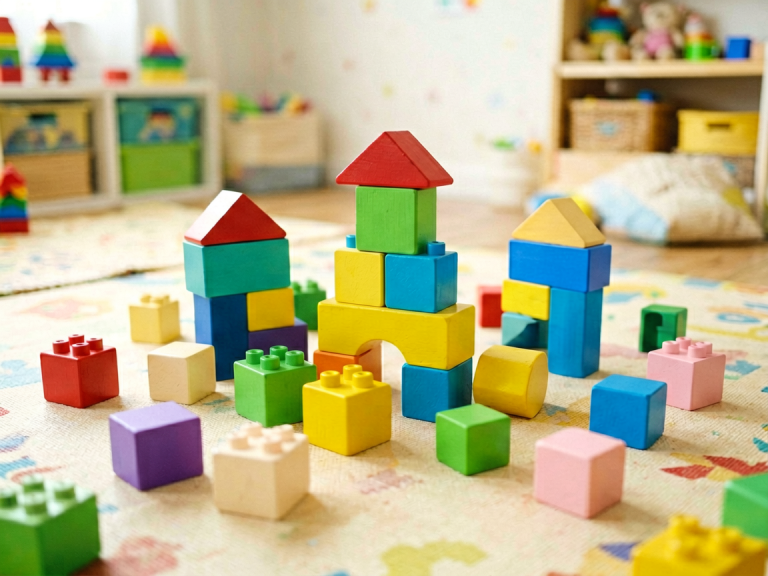
As you sort through the pile, note the types of toys you have: small parts like LEGO bricks and doll accessories, medium-sized items like board games and action figures, large toys like play kitchens and ride-on cars, soft toys like stuffed animals, and electronic toys with cords or batteries. Pay attention to how often each toy is actually used. You might discover that your child has a dozen stuffed animals they never touch, or that the puzzle with missing pieces has been shoved under the sofa for months. Be honest with yourself – keeping toys that no longer serve a purpose only creates clutter. This assessment phase is not about judging your child’s habits; it’s about setting a realistic foundation for a system that will actually be maintained.
Categorize and Purge: Less Is More
Once you have a clear picture of your toy landscape, it is time to make decisions. Categorization is the backbone of any successful storage system. Group toys by type: construction toys, art supplies, vehicles, dolls, books, games, and so on. Within each category, you may further break them down by size or frequency of use. For example, LEGO bricks can be separated by color or theme, while art supplies can be divided into drawing materials, paints, and crafting items.
Now comes the tough part – purging. Every parent has a sentimental attachment to some toys, and that is perfectly normal. However, holding onto broken, incomplete, or age-inappropriate toys only adds to the clutter. Create three piles: "Keep," "Donate/Sell," and "Trash." The "Keep" pile should contain only toys that are in good condition, age-appropriate, and actually played with. The "Donate/Sell" pile includes toys that are still functional but no longer bring joy to your child – this is a great opportunity to teach generosity. The "Trash" pile is for broken items, pieces smaller than a choking hazard, or anything that cannot be repaired.
A good rule of thumb is the "one in, one out" philosophy. When your child receives a new toy, help them choose an old one to pass along. This prevents the accumulation from spiraling out of control. Remember, a smaller, carefully curated collection of toys leads to deeper engagement and less overwhelm for both you and your child.
Choose the Right Storage Solutions: Function Meets Form
With your curated collection in hand, it is time to select storage containers that fit your space, your child’s age, and your aesthetic preferences. There is no one-size-fits-all solution, but certain principles apply universally. First, consider accessibility. For toddlers and preschoolers, open bins and low shelves are ideal because they can see and reach their toys without help. Clear plastic bins allow children to see what is inside, reducing the need to dump everything out. For older children who can read, labeled bins or baskets work well – use both words and pictures for pre-readers.
Vertical space is your best friend. Wall-mounted shelving, pegboards, and hanging organizers can dramatically increase storage capacity without taking up floor space. For example, a pegboard on the wall can hold art supplies, small containers, and even toy cars. Over-the-door shoe organizers are surprisingly versatile – they can store action figures, small dolls, craft supplies, or even matchbox cars. For larger toys like building blocks, consider stackable plastic bins that can be tucked under a bed or in a closet.
Do not overlook the power of furniture that doubles as storage. Ottomans with hidden compartments, storage benches, and beds with drawers underneath are excellent ways to hide toys while keeping them accessible. For the living room, a stylish wicker basket or a fabric bin can blend with your décor while corralling stray items at the end of the day. Finally, invest in drawer dividers for small parts – they prevent chaos inside drawers and make cleanup a breeze.
Implement a System of Rotation: Keep Things Fresh
One of the most effective strategies for managing a large toy collection is rotation. The idea is simple: instead of having all toys available at once, you divide them into sets and swap them out every few weeks. This keeps your child engaged with toys they already own, reduces visual clutter, and extends the life of their interest. Many parents are surprised to find that a toy that has been "missing" for a month feels brand new when it reappears.
Start by choosing a manageable number of toys to keep "active" at any given time. Depending on your child’s age and the size of your home, this might be one or two bins worth. Store the remaining toys in a closet, under a bed, or in a storage room out of sight. Every three to four weeks, rotate the sets. This system works especially well for babies and toddlers who are easily overwhelmed, but it is also effective for school-age children who have a wide variety of interests.
When implementing rotation, involve your child in the process. Let them help choose which toys will be "in" and which will "rest" for a while. This builds anticipation and gives them a sense of control. Rotation also makes seasonal toys more special – for example, bring out water toys in summer and indoor board games in winter.
Involve Your Kids: Teaching Responsibility Through Organization
No storage system will survive if your child does not participate in the process. From a very young age, children can learn to put away their toys if the system is simple and consistent. Start by explaining that every toy has a home – a specific bin, shelf, or drawer where it belongs. Use clear labels with both words and pictures so even non-readers can match items to their homes. For example, a picture of a car on a bin tells a two-year-old exactly where to place his matchbox cars.
Make cleanup a game. Set a timer for five minutes and challenge your child to see how many toys they can put away before the buzzer sounds. Sing a cleanup song, or turn it into a race against a sibling. Praise effort, not perfection. If your child struggles with putting toys away, reduce the number of toys available – a smaller collection is easier to manage. Additionally, establish a routine: toys get put away before meals, before screen time, and before bed. Consistency is key.
Older children can take on more responsibility. Encourage them to decide where certain categories of toys should live. Let them decorate their own bins with stickers or paint. When they feel ownership over the system, they are far more likely to maintain it. Also, teach them the "one in, one out" rule – every time they want a new toy, they must choose an old one to donate or sell. This not only keeps clutter in check but also reinforces the value of thoughtful consumption.
Maintain the System: Small Habits for Long-Term Success
Creating a toy storage system is only the first half of the battle; maintaining it is where many parents fall short. The key is to build small, sustainable habits into your daily routine. First, set aside five minutes at the end of each day for a quick tidy-up. Walk through the main living areas and collect any stray toys, returning them to their designated homes. This prevents the slow creep of clutter from one room to another.
Second, schedule a monthly "toy audit." Spend fifteen minutes reviewing the toy collection with your child. Are there toys that are broken or missing pieces? Toss them. Are there toys that your child has outgrown? Add them to the donate pile. Are there toys that are no longer interesting? Consider putting them in rotation storage for a few months. This regular check-in keeps the system from becoming stagnant and ensures that your child’s collection remains age-appropriate and engaging.
Third, communicate with family and friends about your toy storage philosophy. If grandparents or relatives often bring gifts, gently suggest experience-based presents (like zoo tickets or art classes) or ask them to contribute to a savings fund for a special toy your child truly wants. When gifts do arrive, enforce your "one in, one out" rule. It may feel awkward at first, but it is better than having a house overflowing with plastic trinkets.
Finally, be kind to yourself. Some days the toys will win. That is okay. The goal is not perfection but progress. A well-organized toy space reduces stress, encourages independent play, and teaches your child valuable organizational skills that will serve them for a lifetime. By following this guide, you are not just decluttering your home – you are creating a calm, functional environment where your child can thrive. Start small, stay consistent, and enjoy the peace that comes with a well-ordered play space.