The Power of Sensory Play: Unlocking Children’s Cognitive, Physical, and Emotional Development Through Hands-On Exploration
Title: The Power of Sensory Play: Unlocking Children’s Cognitive, Physical, and Emotional Development Through Hands-On Exploration
In an age dominated by screens, structured schedules, and academic pressures, the simple act of letting a child squish mud between their fingers, pour water from one cup to another, or shake a jar of rice might seem trivial. Yet, beneath these messy, seemingly chaotic moments lies a profound developmental tool: sensory play. Defined as any activity that stimulates a child’s senses—touch, smell, taste, sight, hearing, movement, and balance—sensory play is far more than mere entertainment. It is a foundational pillar of early childhood development, supporting everything from neural connections and motor <a href="https://www.playlearningguide.com/category/skills/”>skills to emotional regulation and language acquisition. This article explores the science behind sensory play, its diverse benefits, practical ways to incorporate it into daily life, and how it adapts to children of different ages. By understanding the power of sensory play, parents, educators, and caregivers can transform everyday experiences into rich learning opportunities that honor a child’s natural curiosity.
What Is Sensory Play? A Multisensory Approach to Learning
Sensory play is any activity that engages a child’s senses—touch, smell, taste, sight, hearing, and proprioception (the sense of body position) and vestibular sense (balance and movement). It is often open-ended, meaning there is no right or wrong way to participate. Think of a toddler digging hands into a bowl of cooked spaghetti, a preschooler mixing colored sand, or a baby mouthing a textured teething ring. These actions are not random; they are the child’s way of gathering information about the world. The brain is wired to process sensory input, and during early childhood—a period of rapid neural growth—sensory play literally builds the architecture of the mind. When a child feels the cool, slimy texture of jelly, their brain creates new synaptic connections. Each squeeze, pour, or shake reinforces pathways that will later support complex skills like problem-solving, writing, and social interaction. Unlike passive screen time, sensory play is active, embodied, and inherently motivating.
The Developmental Benefits of Sensory Play: Beyond the Mess
The benefits of sensory play extend far beyond keeping a child occupied. Research in neuroscience and developmental psychology highlights several key areas of growth:
1. Cognitive Development and Problem-Solving
Sensory play encourages exploration and experimentation. A child pouring water from a wide cup to a narrow bottle must figure out cause and effect: tipping too fast causes spills, tilting at the right angle works. This trial-and-error process hones executive functions such as planning, attention, and flexible thinking. Furthermore, activities like sorting beans by color or hiding objects in kinetic sand promote pattern recognition and memory.
2. Fine and Gross Motor Skills
Manipulating small objects—picking up beads, squeezing playdough, scooping sand—strengthens the small muscles in hands and fingers, essential for later writing and self-care tasks. Large-scale activities like digging in a sandbox, jumping into piles of leaves, or crawling through a sensory tunnel build gross motor coordination, balance, and body awareness.
3. Language Development
As children engage with sensory materials, adults naturally describe what they see, feel, and do: “This blue slime is cold and stretchy!” or “You’re making a squishing sound.” These verbal interactions expand vocabulary, introduce descriptive words (textures, temperatures, actions), and model sentence structure. Children also learn to use language to request materials or express emotions.
4. Emotional Regulation and Calming
Many sensory activities have a soothing effect. The rhythmic motion of a rocking chair, the deep pressure of a weighted blanket, or the repetitive scooping of rice can help a child self-regulate when feeling overwhelmed. For children with sensory processing difficulties or anxiety, controlled sensory experiences provide a safe way to manage arousal levels.
5. Social and Cooperative Skills
When two children share a bin of fluffy cloud dough, they learn turn-taking, negotiation, and joint attention. Sensory play naturally invites parallel and cooperative play, laying groundwork for empathy and collaboration.
6. Scientific Thinking and Creativity
Mixing colors, adding water to flour, or freezing toys in ice cubes introduces basic scientific concepts like prediction, observation, and change. The open-ended nature of sensory play also fuels imagination: a pile of leaves becomes a dragon’s nest; a bowl of pasta transforms into a worm farm.
Types of Sensory Play Activities for Every Setting
Sensory play can be grouped by the senses they target, but many activities engage multiple senses simultaneously. Here are some tried-and-true categories with examples:
Touch (Tactile) Play
- Playdough or Modeling Clay: Add glitter, scents (cinnamon, lavender), or small toys to press.
- Sensory Bins: Fill containers with rice, beans, sand, water beads, or shredded paper. Include scoops, tongs, or funnels.
- Textured Painting: Finger painting with pudding, shaving cream, or homemade puffy paint.
- Nature Exploration: Collect pinecones, acorns, smooth stones, leaves, and bark. Discuss textures.
Hearing (Auditory) Play
- Sound Bottles: Fill plastic bottles with dry rice, beans, bells, or pebbles. Seal tightly.
- Musical Instruments: Drums, shakers, triangles, or even pots and pans. Encourage rhythm-making.
- Listening Walks: Pause outdoors to identify bird calls, wind, traffic, or footsteps.
Sight (Visual) Play
- Color Mixing: Provide eyedroppers and colored water; let children drop one color into another.
- Light Play: Use flashlights, shadow puppets, or a light table with translucent shapes.
- Pattern Sorting: Offer multicolored buttons or beads to sort into cups by color or size.
Smell (Olfactory) Play
- Scented Playdough: Add peppermint, vanilla, or lemon extracts.
- Herb Garden: Let children sniff fresh basil, mint, rosemary, and describe the scents.
- Sensory Jars: Cotton balls soaked in different extracts placed in sealed jars (supervise to avoid ingestion).
Taste (Gustatory) Play – *Always ensure safety; avoid small parts for infants.*
- Edible Finger Paint: Yogurt mixed with food coloring.
- Taste Tests: Offer small amounts of sweet, sour, salty, and bitter foods (e.g., apple slices, lemon wedge, pretzel, dark chocolate). Discuss differences.
Movement (Proprioceptive & Vestibular) Play
- Obstacle Courses: Pillows to climb, tunnels to crawl through, balance beams (tape on floor).
- Swinging and Rocking: Hammocks, rocking chairs, or gentle spinning.
- Heavy Work Activities: Pushing a loaded laundry basket, carrying groceries, or digging in a garden.
How to Incorporate Sensory Play at Home: Practical Tips for Parents and Caregivers
Creating a sensory-rich environment does not require expensive toys or a dedicated playroom. With a few household items and a willingness to embrace mess, any home can become a sensory playground.
1. Start Simple
Begin with a single bin of dry rice or a tray of shaving cream. Observe your child’s reactions. Some children love messy textures; others need gradual exposure. Respect their comfort level—offer tools like spoons or brushes if they avoid direct touch.
2. Set Up for Success
Contain the mess. Use a plastic tablecloth, a large baking sheet, or a small inflatable pool. Dress the child in a smock or old clothes. Keep wet wipes or a towel nearby. Designate an area (e.g., the kitchen floor or backyard) where spills are permissible.
3. Rotate Materials
Children can lose interest if the same sensory bin is available daily. Rotate themes weekly: one week focus on water play (boats, cups, sponges), next on dry materials (pasta, pompoms, tongs), then on natural objects (pinecones, leaves, sticks).
4. Follow the Child’s Lead
Sensory play is child-directed. Resist the urge to “teach” or correct. If a child wants to dump all the rice on the floor instead of scooping, that is a valid exploration of gravity and volume. Simply say, “You noticed it falls! Let’s sweep it up together.”
5. Incorporate Everyday Routines
Mealtime, bath time, and outdoor play are natural sensory opportunities. Let a toddler squish oatmeal (messy but educational), touch different food textures, and pour water in the bathtub. While cooking, let a child smell spices, knead dough, or wash vegetables.
6. Adapt for Sensitivity
Some children are sensory avoiders—they may cover their ears at loud noises or refuse to touch sticky substances. For these children, start with dry, clean textures (sand, smooth stones) and introduce wetter or stickier ones gradually. Use tools rather than hands initially.
Sensory Play for Different Ages: From Infants to School-Age Children
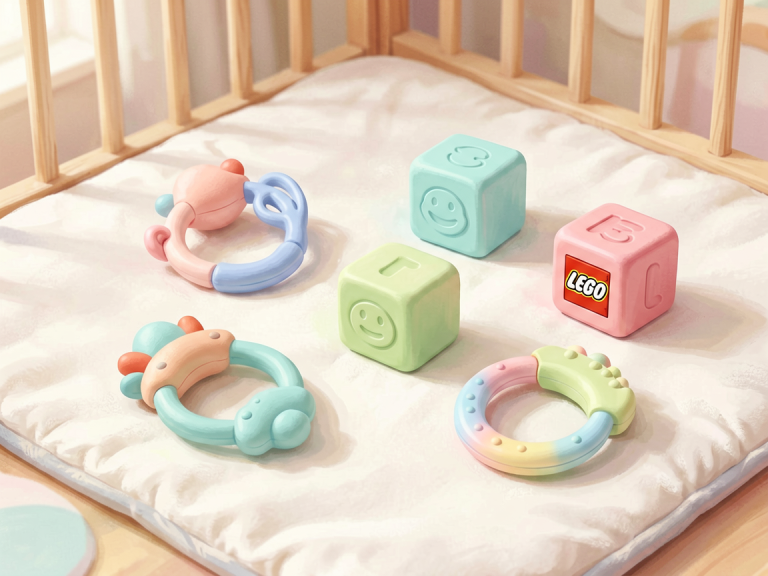
Infants (0–12 months): Focus on safe, mouthable objects. Offer textured teethers, fabric squares (satin, corduroy, fleece), and rattles. Provide supervised tummy time on a soft mat with contrasting black-and-white images. Let them kick feet in a tub of warm water (always with adult holding them).
Toddlers (1–3 years): This age loves to pour, dump, and fill. Provide a low tray with a shallow layer of water, sand, or cooked pasta. Include cups, spoons, and small containers. Avoid choking hazards. Add simple tools like a small shovel or funnel. Toddlers also enjoy finger painting with edible paints.
Preschoolers (3–5 years): Introduce more complex themes. Create a “dinosaur dig” with rice and plastic dinosaurs; a “construction site” with kinetic sand and toy trucks; or a “sensory bottle” that mimics a lava lamp. Preschoolers can help make playdough or mix colors. They begin to enjoy sensory scavenger hunts.
School-Age (6–8 years): Older children still benefit from sensory experiences, though the focus may shift to science experiments, art, and fine motor challenges. Make slime or oobleck (cornstarch and water) to explore non-Newtonian fluids. Create homemade bird feeders using pinecones, peanut butter, and birdseed. Gardening, cooking, and building projects are excellent sensory-rich activities.
Safety Considerations in Sensory Play
While sensory play is developmentally valuable, safety must remain a priority. Always supervise children, especially infants and toddlers who put everything in their mouths. Avoid small items (beads, coins, small buttons) for children under three. Use non-toxic, child-safe materials: food-grade coloring, unscented playdough if needed, and avoid raw dough that contains eggs. Watch for allergies (e.g., nuts, gluten). For water play, never leave a child unattended. Sanitize sensory bins regularly to prevent bacterial growth. If using water beads, note that they can expand inside the body if ingested—opt for larger, safer alternatives. Finally, respect a child’s sensory preferences; never force a child to touch something that causes distress.
Conclusion: Embracing the Mess for Lifelong Growth
Sensory play is not an optional luxury in early childhood; it is a biological necessity. The brain’s plasticity during the first years of life means that every squish, splash, and shake wires the circuitry for future learning. Beyond the cognitive and motor gains, sensory play offers something even more precious: a space where children can be curious, creative, and fully present. In a world that often rushes toward outcomes, sensory play reminds us that the process matters more than the product. The child who spends twenty minutes watching sand trickle through a funnel is not wasting time—they are building concentration, patience, and wonder. So lay down that tarp, pull out the rice bins, and let the mess begin. The benefits will last a lifetime.