The Art of Holiday Toy Planning: A Parent’s Guide to Meaningful Gifting
Introduction
The holiday season is a time of magic, togetherness, and, for many parents, an overwhelming flood of toy advertisements. From the moment Thanksgiving leftovers are put away, children begin crafting mile-long wish lists, and parents face the annual dilemma: how to balance joy with reason, excitement with budget, and desires with values. Holiday toy planning is not just about shopping—it is a powerful opportunity for parents to teach financial literacy, curb materialism, nurture gratitude, and even strengthen family bonds. With thoughtful strategy, the process of selecting and giving toys can become a rich learning experience for the whole family. This article outlines eight practical ways parents can use holiday toy planning to transform a potentially chaotic tradition into a meaningful and intentional practice.
1. Set a Realistic Budget and Stick to It
The first and most obvious step in toy planning is establishing a budget. But a budget is not merely a number—it is a teaching tool. Explain to your child that money is limited and that choices must be made. For example, instead of buying ten cheap items that break in a week, parents can show children how saving for one high-quality toy can bring more lasting happiness. Involve older children in the budgeting process: let them see the price tags on their wish-list items and help them rank priorities. This simple act teaches delayed gratification and the concept of opportunity cost. Moreover, sticking to the budget prevents post-holiday financial stress, allowing parents to enjoy the season rather than dread January credit card bills.
2. Emphasize Quality Over Quantity
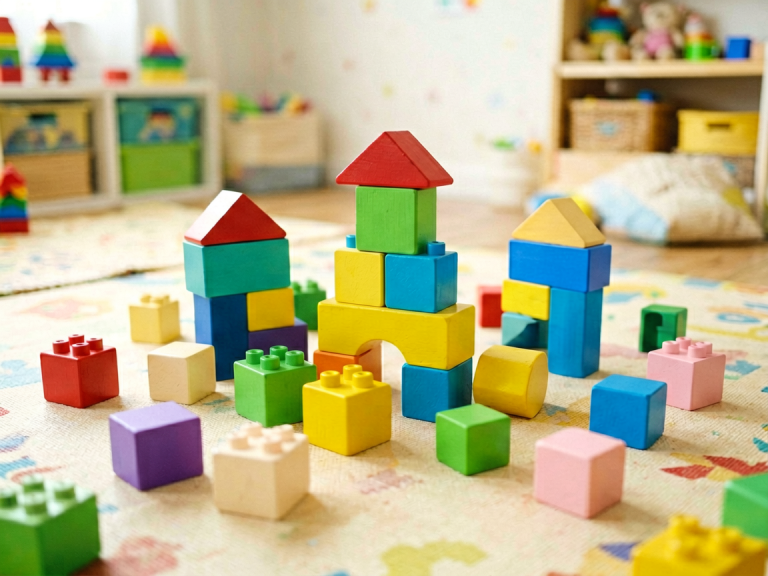
Many parents fall into the trap of piling gifts under the tree, believing that more equals better. Research in child development, however, suggests that too many toys can overwhelm children and reduce their ability to focus and play creatively. Holiday toy planning should focus on curation. Choose toys that are durable, open-ended, and aligned with the child’s genuine interests. For instance, instead of five different plastic action figures from a movie franchise, consider one high-quality wooden construction set or a science kit that encourages experimentation. Quality toys not only last longer but also foster deeper engagement. Parents can explain this choice to children by saying, “We want to find the really special things you will play with for a long time.”
3. Integrate Educational and Developmental Goals
Toy planning offers a natural moment to think about a child’s growth. A five-year-old who loves drawing might benefit from a high-quality art set; a nine-year-old who enjoys building could receive a robotics kit. Parents can use the holiday as a gentle nudge toward skills they wish to encourage—patience, problem-solving, or collaboration. Board games that require strategy and turn-taking, puzzles that challenge spatial reasoning, or books that spark imagination all serve dual purposes: they are gifts that bring fun while subtly building cognitive and social abilities. When parents articulate this intention (e.g., “I chose this because I know you love figuring out how things work”), children feel seen and valued, not just given presents.
4. Encourage Wish-List Making with Reflection
Instead of letting children scribble a long, random list from commercials, parents can guide the list-making process toward reflection. Ask questions such as: “Why do you want this toy?” “How will you play with it?” “Do you have something similar already?” This helps children differentiate between genuine desire and fleeting impulse. Some parents implement a “one wish, one need, one read, one wear” rule—each child picks one toy they truly want, one item they need (like shoes or a backpack), one book, and one clothing item. This structure teaches prioritization and reduces the sense of entitlement. Additionally, by discussing the “why” behind each request, parents gain insight into their child’s passions and personality.
5. Plan for Experiences, Not Just Things
One of the most powerful shifts a parent can make is to include experiences alongside or in place of physical toys. A membership to a local zoo, tickets to a children’s theater, a subscription to a monthly craft kit, or even a “coupon book” for special one-on-one outings with Mom or Dad can create lasting memories that no plastic trinket can match. Experiences cultivate curiosity, family bonding, and appreciation for time spent together. During toy planning, parents can propose a ratio (e.g., three physical gifts and one experience). Explain to children that some gifts are about doing, not having. This approach also helps declutter the home and reduces the environmental footprint of holiday consumption.
6. Involve Children in Giving Back
The holidays can be a wonderful time to teach generosity. Toy planning can include a step where children go through their current toys and select gently used items to donate to children in need. Parents can frame this as making room for new things while helping others. Some families add a “charity toy” to their shopping list—a gift that the child picks out specifically for a toy drive. This practice cultivates empathy and gratitude, helping children understand that not every child receives a pile of gifts. To make it concrete, bring children to the donation center or let them place the toy in the collection bin. The act of giving becomes a core part of the holiday tradition.
7. Create a Toy Rotation System
After the holiday excitement ends, many new toys cause clutter and overstimulation. A proactive plan is to implement a toy rotation system. On New Year’s Day or shortly after, parents can help children sort their new toys into three categories: immediate play, storage for later, and donation. By rotating toys every few weeks, children rediscover old favorites and maintain high interest in each set. This strategy also reinforces the lesson that we do not need everything all at once. Explain to children: “Let’s put this building set away for now so that when we bring it back in March, it will feel like a new surprise!” Toy rotation extends the life of gifts and keeps play spaces tidy.
8. Build Family Traditions Around Toy Planning
Finally, the most lasting benefit of holiday toy planning is the creation of family rituals. Perhaps every year on the first weekend of December, the family gathers to make a “Toy Plan” together—drawing, cutting out magazine pictures, and discussing each person’s list. Or maybe parents write a short note to accompany each gift, explaining why that toy was chosen. Some families adopt a “four-gift rule”: something you want, something you need, something to wear, and something to read. These traditions give children a sense of predictability, belonging, and shared decision-making. They also transform what could be a stressful chore into a warm, collaborative event that everyone looks forward to.
Conclusion
Holiday toy planning is far more than a logistical exercise—it is an opportunity to model values, foster connections, and teach life skills. By setting budgets, focusing on quality, incorporating educational goals, nurturing reflection, prioritizing experiences, encouraging generosity, organizing play, and building traditions, parents can turn the season of giving into a season of growth. The next time your child hands you a scribbled list, remember that behind each request lies a chance to shape character, reduce waste, and deepen family bonds. Thoughtful planning does not mean less joy; it means more meaning. And in the end, that is the greatest gift of all.