The Art of Play: Unlocking the Best Learning Through Play for 2-Year-Olds
At two years old, a child is a whirlwind of curiosity, emotion, and boundless energy. Their world is expanding rapidly—they are learning to speak in short phrases, testing their physical limits, and beginning to understand social rules. For parents and caregivers, the question often arises: What is the *best* way to support this explosion of development? The answer is beautifully simple yet profoundly effective: learning through play. For a two-year-old, play is not a break from learning; it is the very engine of learning. This article explores the core principles, practical strategies, and specific activities that constitute the best learning through play for two-year-olds, offering a roadmap for nurturing a child’s cognitive, physical, social, and emotional growth in the most natural and joyful way possible.
Why Play is Non-Negotiable for a Two-Year-Old's Development
Before diving into specific activities, it is essential to understand *why* play holds such power at this age. A two-year-old’s brain is developing at an astonishing rate, forming more than one million new neural connections every second. These connections are built through experiences—especially those that involve active, hands-on engagement. Play provides exactly that: a low-stakes, high-reward environment where a child can experiment, fail, try again, and discover.
Play also fulfills several critical developmental needs. Cognitively, it fosters problem-solving, memory, and attention. For example, stacking blocks and watching them fall teaches cause and effect. Physically, running, jumping, and manipulating small objects build both gross and fine motor skills. Socially and emotionally, playing alongside others (even in parallel play, which is typical for two-year-olds) teaches sharing, turn-taking, and empathy. Importantly, play reduces stress. When a child is absorbed in a joyful activity, their cortisol levels drop, and their brain is primed for learning. Therefore, the “best” learning through play is not about structured lessons or academic drills—it is about creating opportunities for self-directed, meaningful, and joyful exploration.
The Pillars of Playful Learning: What Makes an Activity Ideal for a 2-Year-Old
Not all play is equally beneficial. For a two-year-old, the best play experiences share several key characteristics. First, they are open-ended. A cardboard box can become a car, a house, or a spaceship, whereas a single-purpose toy limits imagination. Second, they are sensory-rich. Two-year-olds learn through their senses—touching, tasting, smelling, seeing, and hearing. Activities that engage multiple senses create stronger neural pathways. Third, they involve movement. At this age, children are driven to move, and play that incorporates running, climbing, balancing, and reaching supports both physical development and cognitive integration. Fourth, they allow for repetition. Repeatedly pouring water from one cup to another may seem boring to an adult, but for a toddler, it is a profound lesson in volume, gravity, and control. Finally, the best play is socially responsive. A parent or caregiver who follows the child’s lead, narrates their actions, and responds to their cues turns even a simple game into a rich learning experience.
Sensory Play: The Foundation of Cognitive Growth
Sensory play is arguably the most important category for a two-year-old. Activities that stimulate touch, sight, sound, smell, and taste help build the brain’s sensory processing systems. Simple setups can be highly effective. Fill a shallow bin with rice, beans, or sand, and provide scoops, cups, and small toys. As the child digs, pours, and sifts, they are not just making a mess—they are learning about texture, weight, and capacity. Add water with a few drops of food coloring and plastic toys for a water table experience. Dropping objects into water and watching them sink or float teaches early physics concepts. Even something as straightforward as playing with playdough (homemade, non-toxic, and edible if needed) strengthens hand muscles and encourages creativity. The key is to allow the child to lead the play, without imposing a “correct” way to use the materials. For safety, always supervise sensory play, especially with small items that could be choking hazards.
Physical Play: Building Bodies and Brains
A two-year-old’s need for gross motor movement is immense. Climbing, jumping, running, and balancing are not just about physical health; they directly support brain development. The vestibular system, which governs balance and spatial awareness, matures through movement. When a child climbs a soft play structure at the park or goes down a slide, they are integrating sensory information and building body awareness. Indoors, create safe obstacle courses using couch cushions, pillows, and low tunnels. Play simple games like “ring around the rosy” or “follow the leader.” Dancing to music—especially songs with directions like “Head, Shoulders, Knees, and Toes”—teaches body parts, rhythm, and listening skills. Outdoor play should include pushing and pulling toys (wagons, toy lawnmowers), riding a balance bike, and playing on swings. These activities not only develop strength and coordination but also boost confidence and independence.
Pretend Play: The Gateway to Social and Language Skills
Around age two, children begin to engage in symbolic play, where one object stands for another. A banana becomes a telephone; a stick becomes a wand. This is a monumental cognitive leap. Pretend play allows children to make sense of the world by re-enacting real-life scenarios. Provide simple props: a play kitchen, toy food, dress-up clothes (hats, scarves, old shoes), and dolls or stuffed animals. A child may “cook” a meal for a teddy bear, then “feed” it. This activity teaches sequencing (first stir, then pour), empathy (the bear is hungry), and vocabulary (spoon, bowl, hot, cold). As a caregiver, you can join the play—but always follow the child’s lead. Ask open-ended questions like, “What are you cooking?” or “Where is the bear going?” Avoid correcting or directing too much. The goal is to let the child’s imagination flourish. Pretend play also provides a safe space for processing emotions. A child who has visited the doctor may act out a check-up on a doll, thereby mastering a potentially frightening experience.
Language and Literacy Through Playful Conversation
For a two-year-old, language development skyrockets. The best way to support it through play is through rich, responsive interaction. While playing together, narrate what the child is doing: “You are putting the red block on top of the blue block.” This builds vocabulary and sentence structure without pressure. Sing songs with repetitive lyrics like “The Wheels on the Bus” or “Old MacDonald.” Rhyme games, such as “I’m going to find something that rhymes with ‘cat’—is it a hat or a shoe?” make language fun. Picture books are a cornerstone of playful learning. Choose board books with bright, simple illustrations and interactive elements (flaps, textures, sounds). Let the child turn the pages, point to pictures, and babble along. Reading the same book repeatedly builds comprehension and anticipation. For a playful twist, use puppets or stuffed animals to “read” to the child, making different voices. This not only holds attention but also models dialogue and storytelling.
The Power of the Environment: Setting Up for Success
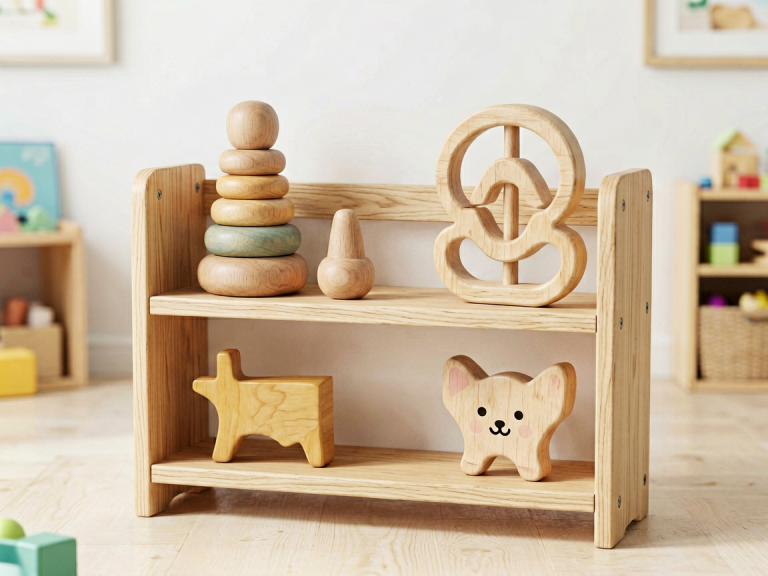
The best learning through play happens in an environment that is safe, accessible, and inspiring. A few simple modifications can multiply the learning opportunities. Create low shelves where toys are displayed in clear bins rather than piled in a toy box. This allows the child to choose independently, fostering decision-making and ownership. Rotate toys every week or two to keep curiosity alive. Include a mix of open-ended materials (blocks, scarves, empty containers) and a few purpose-built toys (puzzles with large knobs, shape sorters). Designate a space for quiet activities (a small table with crayons and paper) and a space for active movement (a foam mat for jumping). Limit screen time; interactive, real-world play far outweighs passive viewing for brain development at this age. Finally, embrace the mess. Learning through play is rarely tidy. A child covered in paint or mud is a child who has engaged fully. Set reasonable boundaries (e.g., paint only on the tray), but allow freedom within them.
The Role of the Caregiver: Gentle Guidance, Not Direction
Perhaps the most crucial element of the best learning through play is the adult’s role. A two-year-old does not need a teacher who lectures; they need a partner who observes, waits, and responds. Follow the child’s interest. If they are fascinated by the wheels of a toy car, talk about the wheels, spin them, and roll the car down a ramp. If they are ignoring a fancy puzzle in favor of banging two spoons together, that is valid exploration of sound and rhythm. Use the “serve and return” model of interaction: when the child makes a sound or gesture, respond in a meaningful way. This builds neural connections for communication and trust. Avoid over-praising (“Good job!”) and instead offer specific comments (“You worked really hard to put that puzzle piece in the right spot.”) This fosters intrinsic motivation. Also, allow for boredom and aimless wandering. Some of the best creative play emerges when a child has time and space to invent their own games without adult intervention.
Practical Activity Ideas for a Week of Playful Learning
To bring these principles to life, here is a sample week of activities tailored for a two-year-old, each emphasizing a different developmental domain:
- Monday – Sensory Exploration: Fill a baking sheet with shaving cream (supervised) and add a few drops of food coloring. Let the child squish, smear, and draw with fingers. Talk about the texture (“bumpy,” “smooth,” “cold”).
- Tuesday – Gross Motor Fun: Create a pillow obstacle course in the living room. Encourage the child to crawl over, step around, and jump (with help) from one pillow to another. Add a small tunnel from a cardboard box.
- Wednesday – Pretend Play: Set up a “grocery store” with real empty boxes, a play cash register, and baskets. Take turns being the shopper and the cashier. Use words like “buy,” “pay,” “bag.”
- Thursday – Music and Movement: Play a variety of music styles. Shake homemade shakers (plastic eggs filled with rice and sealed). Dance slowly to calm music and fast to upbeat tunes. Sing “If You’re Happy and You Know It.”
- Friday – Art and Fine Motor: Offer large, non-toxic crayons or finger paints on a high-chair tray. Let the child make marks freely. Avoid showing them “how to draw” – just celebrate the process.
- Weekend – Nature Play: Go for a walk and collect leaves, pinecones, and sticks. At home, explore them with a magnifying glass. Sort them by size or color. This connects the child to the natural world and builds observation skills.
Conclusion: Trust the Power of Play
The best learning through play for two-year-olds is not a curriculum or a set of expensive toys. It is a mindset—a recognition that a child’s innate drive to explore, mimic, and create is the most powerful educational force available. By providing a rich, responsive environment, offering open-ended materials, and stepping into the role of a playful partner rather than a director, caregivers can unlock a world of learning that is deep, lasting, and joyful. A two-year-old who is allowed to play freely is not just amusing themselves; they are building the foundation for a lifetime of curiosity, resilience, and love of learning. So put away the flashcards, turn off the screens, and get down on the floor. Join them in their world of wonder. In that shared laughter and mess, the most profound education is taking place.