The Forgotten Art of Screen-Free Play: Reclaiming Childhood for a Healthier Generation
Introduction
In an era where digital devices dominate nearly every aspect of daily life, the concept of screen-free play for children has become almost revolutionary. Parents worry about excessive screen time, yet many struggle to wean their kids off tablets, smartphones, and video consoles. The allure of endless, passive entertainment is powerful, but so are the consequences: rising rates of childhood obesity, attention disorders, and social anxiety. This article argues that screen-free play—unstructured, imaginative, and often messy—is not merely a nostalgic ideal but a critical component of healthy child development. By understanding its profound benefits, and by adopting practical strategies, families can reclaim the joy of analog play and give children the tools they need to thrive in a world that will always have screens, but that must never let screens steal childhood itself.
The Alarming Rise of Screen Dependency
Statistics paint a stark picture. According to the American Academy of Pediatrics, children aged 8 to 12 spend an average of four to six hours per day on screens, while teenagers can exceed nine hours. This time is largely sedentary, isolating, and algorithm-driven, offering little opportunity for deep thinking or genuine human connection. Even toddlers, once occupied with blocks and picture books, now swipe and tap on parental devices. The COVID-19 pandemic accelerated this trend, turning remote learning and digital entertainment into the norm. While screens can be educational tools, they have also replaced many forms of free, self-directed play. The result is a generation that may be technologically savvy but increasingly lacks the resilience, creativity, and social skills that only unstructured play can foster. Screen-free play is not about rejecting technology—it is about restoring balance.
The Multifaceted Benefits of Screen-Free Play
Screen-free play is far more than a way to keep children busy. It is a dynamic process that nourishes every dimension of a child’s being.
Cognitive Development: The Spark of Imagination
When a child builds a fort from blankets, invents a story about a cardboard spaceship, or decides the rules of a game with friends, they are engaged in complex cognitive work. Unlike passive screen consumption, which presents ready-made narratives and solutions, screen-free play demands creativity, problem-solving, and critical thinking. A simple pile of wooden blocks can become a castle, a bridge, or a mountain—each construction requiring spatial reasoning, planning, and iteration. Research from developmental psychologists shows that such open-ended play strengthens executive functions, including working memory, inhibitory control, and cognitive flexibility. These skills are foundational for academic success and lifelong learning. In contrast, many so-called “educational” apps offer structured mini-games that limit a child’s autonomy and imagination.
Social and Emotional Skills: The Heart of Connection
Play is the primary way children learn to navigate relationships. Without screens as intermediaries, kids must read facial expressions, negotiate roles, resolve conflicts, and take turns. A game of pretend doctor allows them to practice empathy by caring for a stuffed animal; a fight over a coveted toy teaches compromise and emotional regulation. These real-world interactions help children develop a sense of self, understand others’ perspectives, and build resilience. Screen time, especially solitary browsing or gaming, often lacks these rich social cues. Even multiplayer online games, though interactive, can encourage superficial communication or toxic behaviour. Screen-free play, by contrast, fosters authentic, face-to-face bonding—with siblings, friends, and parents. It is the laboratory of emotional intelligence.
Physical Health: Moving, Growing, Thriving
Active screen-free play is essential for physical development. Running, jumping, climbing, throwing, and balancing build gross motor skills, coordination, and cardiovascular fitness. Simple activities like tag, hopscotch, or playing with a ball strengthen muscles and bones, combat childhood obesity, and improve sleep. Moreover, outdoor play exposes children to sunlight for vitamin D, fresh air, and natural sensory experiences—the feel of grass, the sound of birds, the smell of rain. Recent studies have linked increased nature-based play to lower stress levels and better concentration. In contrast, prolonged screen use is associated with poor posture, eye strain, and a sedentary lifestyle. Replacing even one hour of screen time with active, screen-free play can have significant long-term health benefits.
Mental Well-being: Calm in a Noisy World
Screen-free play also supports mental health. The constant stimulation of digital content—bright colours, rapid scene changes, notifications—can overwhelm a child’s nervous system, leading to irritability, anxiety, and difficulty focusing. Unstructured play provides a natural counterbalance. When a child sits quietly drawing, builds a puzzle, or pretends to be a chef in a mud kitchen, they enter a state of “flow”—a focused, calming immersion that reduces stress hormones. Imaginary play allows them to process emotions, act out fears, and gain a sense of mastery. Studies have shown that children who engage in regular screen-free play exhibit lower levels of anxiety and depression. They also develop a stronger capacity for self-regulation, because they must learn to manage boredom, disappointment, and excitement without an external digital pacifier.
Practical Strategies to Encourage Screen-Free Play
Understanding the benefits is only half the battle. Parents and educators need actionable strategies to make screen-free play a natural, appealing part of everyday life.
Create an Inviting Play Environment
The physical space sets the tone. Dedicate a corner of the living room or a shelf in the playroom for open-ended materials. Keep it tidy but not sterile—a basket of scarves for dress-up, a box of LEGO bricks, a small table for art supplies. Rotate toys regularly to maintain novelty. Avoid overwhelming children with too many choices; a curated selection encourages deeper engagement. Most importantly, make the space accessible and safe for independent play. When children see that their environment invites exploration, they are more likely to choose screen-free activities.
Curate Open-Ended Toys and Materials
The best screen-free toys are those that do not dictate a single purpose. Blocks, magnetic tiles, play dough, wooden figures, fabric scraps, chalk, and water are all “low-tech” items that spark infinite possibilities. Avoid electronic toys that talk, flash, or require batteries—they often limit creativity because they tell the child what to do. Instead, provide raw materials that require the child’s imagination to complete. For older children, consider board games, puzzles, craft kits, science experiment sets, and building models. The goal is to inspire, not to instruct.
Embrace Outdoor and Nature Play
Nature is the ultimate screen-free playground. A simple walk in the park can become a treasure hunt for leaves, a race to find the biggest stick, or a quiet observation of ants. Build a den from branches, dig in the dirt, or splash in puddles. Outdoor play offers sensory richness that no screen can replicate. If a garden is not available, try local playgrounds, beaches, or even a backyard sandbox. Encourage risky play within safe boundaries—climbing trees, balancing on logs, jumping from low walls. These experiences build confidence, physical resilience, and a deep connection to the natural world.
Model Screen-Free Behaviour as a Parent
Children learn by imitation. If parents are constantly glued to their phones, it is hard to convince a child that screens are not essential. Establish family norms: no devices at the dinner table, during family walks, or in bedrooms. When you are with your children, put your phone away and engage fully. Join in their play—build a block tower together, act out a silly story, or play catch. Screen-free time should be a shared, joyful experience, not a punishment. When children see that adults value and enjoy analog activities, they naturally follow.
Establish Screen-Free Zones and Times
Create clear boundaries. For example, bedrooms should be electronics-free zones to protect sleep. Designate specific times as screen-free—such as the first hour after school, the hour before bed, or all of Sunday morning. Use a timer or a visual schedule to help children understand the routine. Be consistent but flexible; if a child is deeply engaged in building a fort, do not interrupt them to enforce a rule. The goal is not to eliminate screens entirely but to create ample space for other kinds of play.
Age-Specific Approaches to Screen-Free Play
Different ages have different needs and abilities. Tailor your strategies accordingly.
Infants and Toddlers (0–3 years)
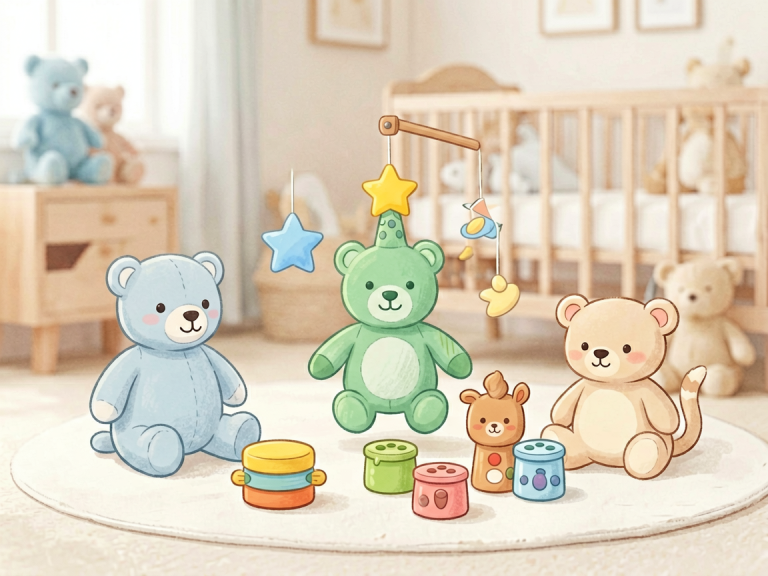
At this age, screen-free play is essential for sensory and motor development. Offer soft blocks, rattles, stacking cups, and textured toys. Let them explore safe household items like wooden spoons, plastic bowls, and fabric scraps. Tummy time, crawling through tunnels, and pulling up to stand are all forms of vital, screen-free play. Avoid placing them in front of any screen, even “educational” videos, as the American Academy of Pediatrics recommends zero screen time before 18 months (except video chatting). Simple, repetitive interactions with caregivers and objects build the foundation for all later learning.
Preschoolers (3–5 years)
Imagination explodes during this stage. Encourage dress-up, pretend play with dolls and action figures, and simple board games. Art supplies—large paper, washable markers, finger paints, clay—are excellent. Outdoor play: riding tricycles, playing in sandboxes, and exploring nature. Limit screen time to one hour per day of high-quality programming, and always watch together. Use screen-free time to strengthen language skills by reading, telling stories, and singing songs.
School-Age Children (6–12 years)
These children need opportunities for both solitary and social play. Provide building sets (LEGO, K’NEX), craft materials, science kits, and chapter books. Encourage hobbies like drawing, knitting, woodworking, or playing a musical instrument. Outdoor activities: team sports, bike riding, hiking, or just climbing trees. Board games and card games teach strategy and patience. Establish daily screen limits (1–2 hours) and enforce tech-free homework time. Help them find local friends to play with after school.
Teenagers (13+ years)
Teens often resist screen-free play, viewing it as childish. Reframe it as “analog leisure.” Offer complex challenges: build a model rocket, learn to cook a new recipe, start a garden, or play strategy board games. Encourage them to volunteer, join a sports team, or take up pottery. Screen-free time can also mean reading for pleasure, writing in a journal, or engaging in face-to-face conversations. Lead by example—if you read a book while they play chess, they will understand the value.
Overcoming Common Obstacles
Many parents acknowledge the importance of screen-free play but face real hurdles. The most common objection: “My child says they are bored.” Boredom is not an enemy—it is a catalyst. When a child has no screens to fall back on, their brain is forced to generate its own ideas. Initially, they may whine or protest, but with patience, they will discover their own creativity. Do not rush to fill every minute with structured activities. Let them sit with boredom; it is the womb of imagination.
Another obstacle is the feeling that screens are everywhere. Schools use tablets, friends play online, and even doctor’s waiting rooms have TVs. Accept that you cannot control all environments. Focus on what you can control at home and communicate with other parents to create screen-free playdates. Use weekends to organize outdoor playgroups or craft sessions. The more you normalise screen-free fun, the less resistance you will face.
Finally, parents themselves may find it hard to disconnect, especially if they rely on screens for relaxation or work. It is okay to admit this difficulty. Start small: one hour of family screen-free time per day, then gradually increase. Replace your own screen use with activities you can share with your children—gardening, walking, cooking, or playing a musical instrument. Your example is the most powerful tool you have.
Conclusion: A Call to Play
Screen-free play is not a luxury or a throwback; it is a fundamental human need. Children are wired to explore, create, connect, and move—all of which are stifled by passive screen consumption. The benefits are vast: sharper minds, kinder hearts, healthier bodies, and calmer spirits. In a world that increasingly tries to digitise every experience, we must consciously protect the analog, messy, unpredictable joy of play. It does not require expensive equipment or elaborate plans. It requires only our time, attention, and trust in the innate creativity of children. Let us put down our devices, step outside, and join them. The adventure of screen-free play is waiting—and it is the most important adventure of all.