Safe Learning Through Play for Kids: Building Foundations for a Lifetime of Discovery
Introduction: The Power of Play in Early Childhood Development
Play is not merely a pastime for children; it is their most natural and powerful language of learning. From the moment infants grasp a rattle to the complex negotiations of a group of preschoolers building a fort, play is the vehicle through which children explore, experiment, and make sense of the world around them. However, in an era where parents and educators are increasingly concerned about safety, the concept of “safe learning through play” has emerged as both a guiding principle and a practical necessity. This article explores the multifaceted benefits of play-based learning, outlines strategies for creating safe environments that foster exploration, and provides actionable insights for parents, caregivers, and educators seeking to balance risk with growth. By reframing safety not as a limitation but as an enabler of joyful discovery, we can help children build resilience, creativity, and a lifelong love of learning.
Why Play Matters: The Scientific Case for Learning Through Play
Cognitive Development and Problem-Solving Skills
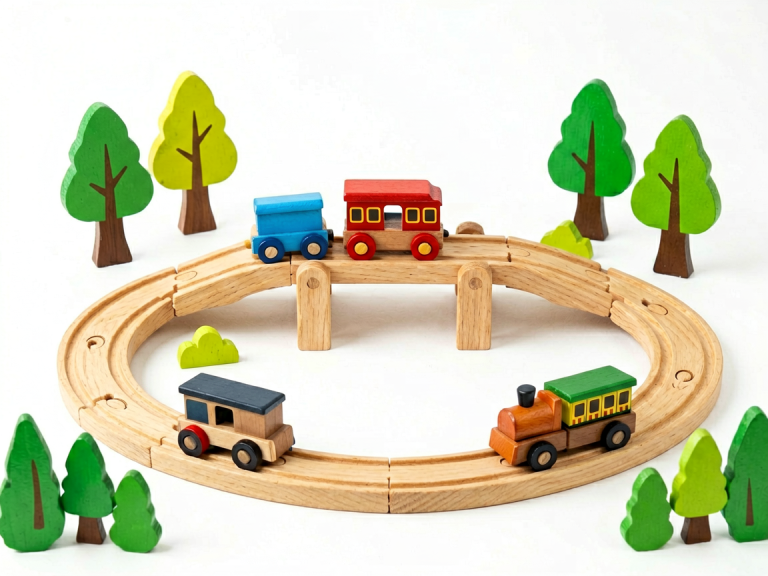
Research in developmental psychology consistently demonstrates that unstructured, self-directed play stimulates executive functions such as planning, flexibility, and self-control. When children engage in block building, they are not just stacking shapes—they are experimenting with gravity, balance, and spatial relationships. When they pretend to run a grocery store, they practice counting, categorization, and social negotiation. Safe play environments allow these cognitive processes to flourish without the fear of catastrophic failure. A child who accidentally knocks over a tower learns a valuable lesson in cause and effect; a child who spills water during a sensory play activity learns to problem-solve cleanup. These low-stakes mistakes are the building blocks of higher-order thinking.
Social-Emotional Growth and Resilience
Play is also the arena where children develop empathy, negotiation skills, and emotional regulation. In cooperative games, children learn to read facial expressions, take turns, and manage disappointment when they lose. Safe play does not mean eliminating all conflict; rather, it means creating a supportive context where conflicts can be resolved constructively. For instance, a teacher or parent who calmly mediates a disagreement over a shared toy models conflict resolution strategies. Over time, children internalize these skills and apply them in more complex social situations. The emotional safety of knowing that an adult is nearby but not overly intrusive allows children to take healthy risks—such as inviting a new friend to play or trying a challenging physical activity—that build confidence and resilience.
Physical Health and Motor Skill Development
Active play—running, jumping, climbing, balancing—is essential for gross motor development and overall physical health. Safe learning through play encourages these activities within appropriate boundaries. A well-designed playground with soft surfaces, age-appropriate equipment, and adequate spacing allows children to challenge their physical limits while minimizing the risk of serious injury. Fine motor skills are equally nurtured through activities like drawing, cutting, or manipulating small objects (under supervision). The key is that safety measures should be thoughtfully integrated, not oppressive. A child who never climbs anything will miss the neural connections that come from coordinating limbs and judging distances. A balance between risk and security is the sweet spot for optimal development.
Creating a Safe Play Environment: Practical Strategies for Parents and Educators
Physical Safety: Designing Spaces That Encourage Exploration Without Peril
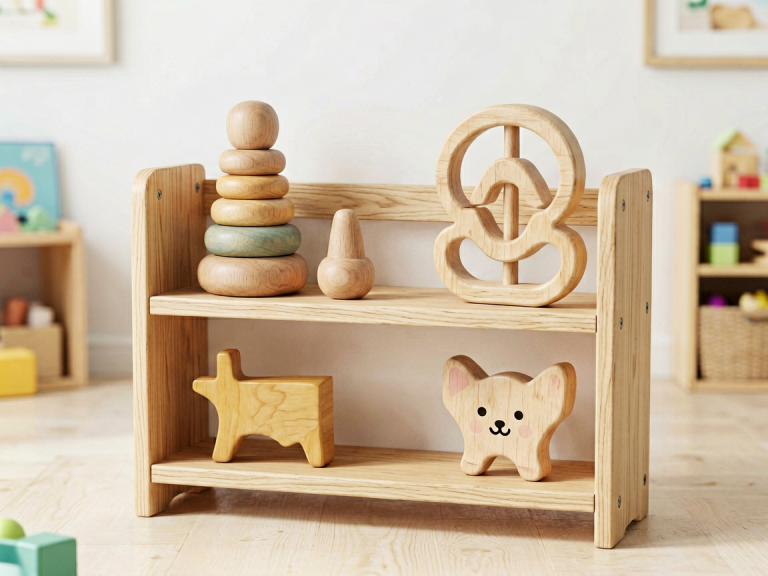
The first layer of safe learning through play is the physical environment. Indoors, this means ensuring that furniture is stable, electrical outlets are covered, and small objects that could be choking hazards are kept out of reach of toddlers. Soft rugs, padded corners on tables, and non-toxic art supplies are non-negotiable. Outdoors, surfaces such as rubber mulch, sand, or engineered wood fiber absorb impact from falls. Equipment should be inspected regularly for rust, sharp edges, or loose bolts. Yet safety does not end with fixtures; it also involves clear rules communicated in a child-friendly way. For example, instead of saying “Don’t run on the wet floor,” a caregiver might say, “Let’s walk carefully here so we don’t slip.” This positive framing teaches safety awareness without instilling fear.
Emotional Safety: Fostering a Climate of Trust and Acceptance
Emotional safety is equally critical. Children learn best when they feel free to ask questions, make mistakes, and express their feelings without judgment. A safe learning through play environment is one where laughter and curiosity are celebrated, and where tears or frustration are met with empathy rather than punishment. For instance, if a child accidentally breaks a toy during vigorous play, the adult’s reaction should focus on repair and understanding—“That was an accident. Let’s see if we can fix it together”—rather than blame. This approach teaches children that errors are part of the learning process, not something to be ashamed of. Additionally, adults should be mindful of power dynamics: children should have agency in choosing activities, and their voices should be heard in group play. When a child feels emotionally safe, they are more likely to take intellectual risks, such as proposing a new game or sharing an original idea.
Age-Appropriate Design: Tailoring Play Experiences to Developmental Stages
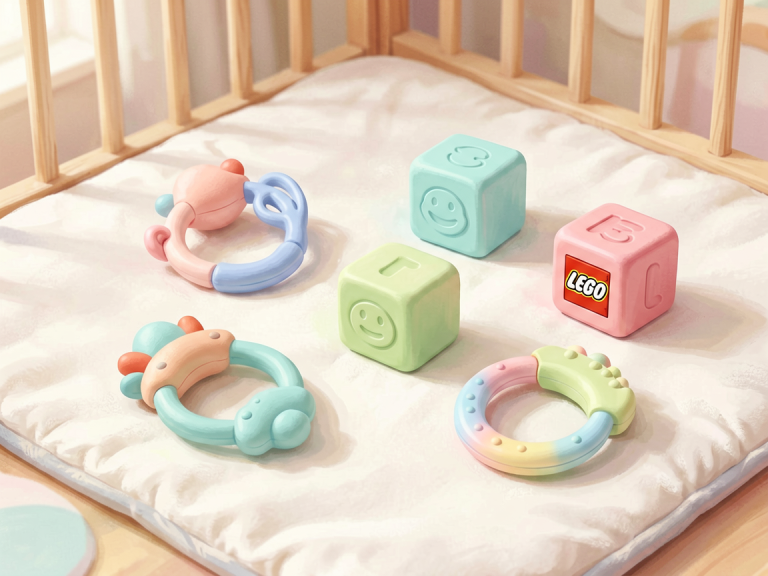
Safe learning through play looks different for a one-year-old than for an eight-year-old. Infants and toddlers need close supervision, simple cause-and-effect toys, and plenty of sensory stimulation (soft textures, safe mouthable objects). Preschoolers benefit from slightly more complex activities like simple board games, dress-up, and art projects that allow some mess but with easy cleanup. School-age children can handle activities with more rules and physical challenges, such as team sports, building projects with small parts, or science experiments. The critical factor is that the level of risk and complexity matches the child’s abilities. A playground slide that is too high for a three-year-old becomes a source of danger rather than fun. Conversely, an obstacle course that is too easy for a ten-year-old leads to boredom and potentially unsafe thrill-seeking. Regular observation of children’s behavior helps adults adjust activities to the “zone of proximal development”—challenging enough to be engaging, but not so challenging as to cause frustration or harm.
Examples of Safe Learning Through Play Activities
Sensory Play with Supervised Risk
Sensory bins filled with rice, beans, or sand offer rich learning opportunities for tactile exploration, scooping, and pouring. However, they require careful supervision to prevent ingestion or scattering. Use large, shallow containers and place them on a waterproof mat. For added safety, substitute small items like buttons with larger alternatives such as pom-poms or plastic animals. Accompany the activity with verbal guidance: “We keep the rice in the bin, and we can use these cups to pour.” This teaches boundaries while preserving the joy of messy play.
Cooperative Games That Build Social Skills
Instead of competitive games that create winners and losers, introduce cooperative games where all players work toward a common goal. For example, a “parachute game” where children lift a large fabric canopy together to make a ball bounce without falling off teaches teamwork, communication, and gross motor control. The safety element lies in the clear rules and adult facilitation; children learn to coordinate movements without bumping into each other. Another example is a “memory walk” outdoors, where children collect natural items (leaves, stones) and then match them while sitting in a circle. There is no risk of injury, and the activity fosters observation and memory skills.
Outdoor Adventures with Ground Rules
Nature walks, scavenger hunts, and simple gardening are excellent for safe learning through play. Define the boundaries of the play area clearly—a rope between trees, or visual markers. Before starting, discuss safety rules: “Stay where we can see you,” “Don’t touch unknown plants,” “Wear hats and sunscreen.” Provide magnifying glasses, collection bags, and field guides to turn the walk into a scientific exploration. If a child stumbles on uneven ground, the low-height fall is unlikely to cause serious harm thanks to grass or dirt. The brief discomfort becomes a learning moment about watching where one steps.
Creative Arts with Non-Toxic Materials
Artistic expression allows children to process emotions and develop fine motor skills. Use washable, non-toxic paints, glue, and markers. Cover surfaces with newspaper or plastic. For younger children, avoid aerosol sprays or small glitter that can be inhaled. Instead, offer thick brushes, sponges, and finger paints. Supervision is necessary to ensure that materials are used for their intended purpose. If a child decides to paint the wall, the consequence should be natural and educational—“Let’s clean this up together, and next time we’ll use our paper.” This approach maintains safety without stifling creativity.
The Role of Adults: Facilitating, Not Directing
One of the most challenging aspects of safe learning through play is knowing when to intervene and when to step back. Overprotective hovering can rob children of the vital experiences of self-discovery and risk assessment. On the other hand, neglectful supervision can lead to preventable accidents. The ideal role of the adult is that of a facilitator—setup safety measures, establish clear expectations, and then observe from a respectful distance, ready to assist only when truly needed. This is often called “scaffolding”: providing just enough support for the child to succeed, then gradually removing that support as the child gains competence. For instance, while a child learns to ride a tricycle, the adult may initially hold the handlebars, then let go for short bursts, and eventually only supervise from a few steps away. This gradual release of responsibility builds independence and confidence.
Conclusion: Embracing Safe Play as a Lifelong Gift
Safe learning through play is not an oxymoron; it is a philosophy that balances protection with permission. It recognizes that children must encounter manageable risks to develop the judgment and skills to navigate the larger, less controlled world. By thoughtfully designing environments, providing age-appropriate materials, and modeling calm, supportive responses to challenges, we empower children to explore boldly while knowing they are secure. The memories of a successful tower that almost fell, a cooperative game that required patience, or a muddy puddle that was joyfully splashed are the threads that weave a resilient, creative, and capable adult. As parents, educators, and community members, our most profound gift to the next generation is not a bubble-wrapped childhood, but a playground where safety is a silent partner, not a loud enforcer—where every slide, every scoop of sand, and every shared laughter is a small step toward a lifetime of learning. Let us commit to creating such spaces, one safe, playful moment at a time.