Top Toy Safety Mistakes to Avoid: Protecting Children Through Informed Choices
Introduction
Toys are more than just playthings; they are tools for learning, creativity, and emotional development. Every year, however, thousands of children are treated in emergency rooms for toy‑related injuries — many of which are entirely preventable. While parents, caregivers, and educators strive to choose safe toys, common oversights can turn a joyful gift into a serious hazard. Understanding the most frequent toy safety mistakes is the first step toward creating a safer play environment. This article examines ten critical errors that adults often make, offering practical advice to avoid them. By staying informed, we can ensure that playtime remains a source of delight rather than danger.
Mistake #1: Overlooking Small Parts and Choking Hazards
Choking is the leading cause of toy‑related deaths among young children. The most dangerous toys are those with small parts that can easily become lodged in a child’s airway. Many parents mistakenly assume that a toy is safe simply because it is sold in a store. However, toys intended for older children often contain detachable buttons, eyes, wheels, or beads that pose a serious risk to infants and toddlers under three years old.
To avoid this mistake, always check the manufacturer’s age recommendation. The “small parts” test is a reliable guideline: if a part can fit inside a standard toilet paper roll (about 1.25 inches in diameter), it is a choking hazard for a child under three. Additionally, regularly inspect toys for wear and tear — loose threads, broken plastic, or cracked seams can release small components over time. Even seemingly harmless items like balloons can cause suffocation, so supervise children whenever they play with inflated balloons or their fragments.
Mistake #2: Ignoring Toxic Materials and Chemical Hazards
Not all toys are made with child‑safe materials. Some plastics, paints, and coatings contain lead, phthalates, BPA, or other harmful chemicals that can leach into a child’s mouth through chewing or sucking. Vintage toys, imported products with unknown origins, and cheaply made plastic items are especially risky.
Before buying a toy, look for certification labels such as ASTM (American Society for Testing and Materials), EN71 (European standard), or the CE mark. Avoid toys that have a strong chemical odor, which may indicate volatile organic compounds. Also, be cautious with craft and art supplies: some glues, markers, and paints contain toxic solvents. Always choose non‑toxic, water‑based alternatives for young children. If a toy is intended for teething or oral play, ensure it is made of food‑grade silicone or untreated wood rather than cheap plastic that may contain bisphenols.
Mistake #3: Disregarding Age Recommendations
Age labels on toy packaging are not arbitrary marketing suggestions — they are based on developmental abilities, motor skills, and safety research. A common mistake is buying a toy marked “ages 8+” for a three‑year‑old because the child seems “advanced.” This can expose the child to small parts, sharp edges, or complex mechanisms that require mature coordination.
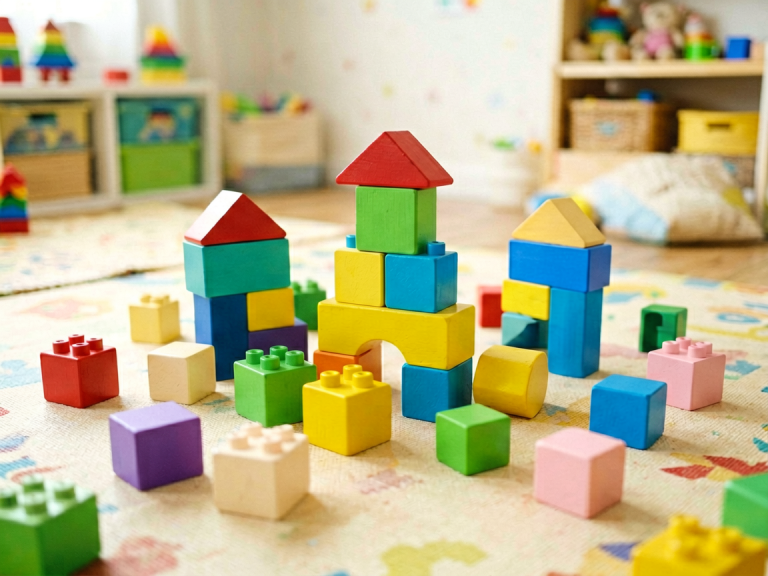
Conversely, giving an infant a toy designed for a toddler may also be unsafe. For example, a toy with long strings or cords might be safe for a five‑year‑old but can pose a strangulation hazard for a baby who cannot untangle themselves. Always follow the age range strictly, and remember that each age group has specific needs: infants need soft, graspable items; toddlers need sturdy, non‑toxic shapes; preschoolers need simple puzzles and building blocks; older children can handle more complex electronic or mechanical toys under supervision.
Mistake #4: Forgetting About Battery Safety
Many modern toys incorporate batteries, lights, and sounds. While these features enhance play, they also introduce risks. Button‑cell batteries — those small, coin‑shaped batteries used in many toys — are extremely dangerous if swallowed. They can cause severe internal burns within hours. Loose battery compartments, broken covers, or batteries that are easily accessible are critical safety failures.
To avoid this, check that all battery compartments are secured with a screw or a locking mechanism that a child cannot open. Never leave spare batteries within reach. Dispose of used batteries immediately and properly. Additionally, be cautious with rechargeable toys; ensure the charging cable is safe, and never leave a toy plugged in unsupervised. Toys that overheat during charging are a fire hazard — follow the manufacturer’s instructions precisely.
Mistake #5: Underestimating Strangulation and Entanglement Hazards
Strings, cords, ribbons, and fabric loops can become deadly when wrapped around a child’s neck. Toys with long pull cords, drawstrings on toy bags, or decorative ribbons attached to stuffed animals are common culprits. Crib mobiles and hanging toys are especially dangerous if placed within reach of a baby who can pull them down.
The rule of thumb is simple: any cord or string longer than 12 inches (about 30 centimeters) should be avoided for children under three years old. For older children, educate them about not wrapping cords around their necks. Remove all packaging ties, plastic loops, and elastic bands before giving a toy to a child. When it comes to dress‑up costumes, avoid capes or accessories with drawstrings at the neck — velcro closures are much safer.
Mistake #6: Overlooking Sharp Edges, Points, and Projectiles
Toys with hard plastic edges, metal corners, or pointed tips can cause cuts, puncture wounds, or eye injuries. Projectile toys — such as toy guns that shoot darts, arrows, or balls — are a major source of eye trauma. Even foam projectiles can cause injury if fired at close range.
Always inspect a toy for rough seams, burrs, or sharp points before purchase. For projectile toys, ensure the tips are soft and made of rubber or foam, and that the force of launch is minimal. Supervise children during play with such toys and establish clear rules — never aim at the face or eyes. Similarly, avoid toys with small wheels that can detach and become sharp objects, or toys with metal axles that stick out.
Mistake #7: Buying Second‑Hand Toys Without Proper Inspection
Thrift stores, garage sales, and hand‑me‑downs can be economical and eco‑friendly, but they also carry hidden dangers. Older toys may have been manufactured before current safety standards were established. They may contain lead paint, recalled mechanisms, or broken parts. Stuffed animals might harbor mold, dust mites, or allergens.
Before giving a used toy to a child, inspect it meticulously. Check for peeling paint, rust, sharp edges, and loose parts. Look up recall information online — the Consumer Product Safety Commission (CPSC) website maintains a searchable database. Wash fabric toys in hot water if possible, and sanitize plastic toys with a mild bleach solution. Discard any toy that shows signs of damage or that you cannot verify as safe.
Mistake #8: Failing to Supervise Age‑Mixed Play
When siblings or friends of different ages play together, the presence of toys intended for an older child can create hazards for a younger one. A five‑year‑old might bring a toy with small magnetic pieces into a room where a two‑year‑old is playing. Those magnets, if swallowed, can attract each other through intestinal walls and cause life‑threatening perforations.
To prevent this, establish clear zones or times for different age groups. Store older children’s toys in containers that younger children cannot access. Teach older children to keep their small‑part toys away from babies and toddlers. Supervision during mixed‑age play is essential — even a moment of distraction can lead to a tragedy.
Mistake #9: Misjudging Noise Levels
Loud toys can cause permanent hearing damage in children, whose ears are more sensitive than adults’. Many battery‑operated toys produce sounds above 85 decibels, especially when held close to the ear. Toys like toy sirens, musical instruments, or electronic storybooks can exceed safe levels.
Test any noisy toy before purchase. If it sounds uncomfortably loud to you, it is definitely too loud for a child. Look for toys with volume controls or adjustable sound settings. Place a piece of tape over the speaker to muffle the sound if necessary. Avoid toys that produce sudden, startling noises, as they can startle infants and cause distress.
Mistake #10: Neglecting Proper Storage and Maintenance
Even the safest toy can become dangerous over time. Toys left on the floor can cause trips and falls. Batteries left in toys for months can leak corrosive chemicals. Plush toys that are not cleaned can accumulate allergens and bacteria. Broken toys with exposed wires or sharp edges are obvious hazards.
Create a routine: inspect toys monthly for wear and tear. Remove batteries from toys that are not in use for long periods. Store toys in low, open bins so children can reach them without climbing. Teach children to put toys away after play to avoid tripping. Replace any toy that is cracked, broken, or missing parts. Remember that a toy’s safety is not static — it requires ongoing attention.
Conclusion
Toy safety is not a one‑time consideration but an ongoing responsibility. The mistakes outlined above — overlooking small parts, ignoring age labels, buying second‑hand without inspection, and many others — are common, but they are also entirely avoidable. By adopting a mindful approach to selecting, maintaining, and supervising toys, we can drastically reduce the risk of injury. The joy of play should never be overshadowed by preventable accidents. Every child deserves a play environment that is both stimulating and safe. As caregivers, our most important job is to watch, learn, and act with vigilance — because a child’s smile is worth far more than any toy.