The Ultimate Guide to Indoor Play Activities for Kids: Fun, Learning, and Growth at Home
Introduction
When rain pours outside or winter chills keep children indoors, many parents find themselves searching for creative ways to keep their kids engaged, active, and happy. Indoor play is not merely a backup plan for bad weather—it is a vital component of childhood development. Research shows that purposeful indoor activities can enhance cognitive skills, improve physical coordination, foster social interaction, and spark imagination. Yet the challenge lies in designing activities that are both entertaining and developmentally beneficial, especially when space and resources are limited. This guide offers a comprehensive collection of indoor play ideas organized by category, ensuring that every child—from toddlers to school-age—can enjoy meaningful playtime at home.
—
1. The Importance of Indoor Play for Child Development
Before diving into specific activities, it is essential to understand why indoor play matters. Unlike outdoor free play, indoor environments often require more structured or semi-structured activities to prevent boredom and restlessness. However, these constraints can be turned into opportunities.
Indoor play promotes fine motor skills through tasks like building with blocks or threading beads. It encourages problem-solving when children navigate puzzles or create obstacle courses. Moreover, indoor play can be a safe space for emotional regulation: a quiet corner with books or a sensory bin filled with rice allows a child to decompress after a busy day. According to pediatric psychologists, indoor play also strengthens the parent-child bond when adults participate alongside their kids. The key is to balance active, messy, and calm activities to cater to a child’s fluctuating energy levels.
—
2. Creative and Imaginative Play Ideas
Imagination is the engine of childhood, and indoor spaces can become castles, spaceships, or underwater worlds with just a few props.
Fort Building
Gather blankets, pillows, and chairs to construct a cozy fort. This classic activity teaches spatial reasoning and teamwork. Children can bring flashlights, books, and snacks into their fortress, turning it into a reading nook or a secret clubhouse.
Dress-Up and Role-Play
Keep a box of old costumes, scarves, hats, and reusable items (e.g., empty cereal boxes, plastic plates). Encourage your child to act out scenarios like a trip to the grocery store, a doctor’s visit, or a superhero rescue mission. Role-playing enhances language skills and empathy as children step into others’ shoes.
Puppet Theater
Using socks, paper bags, or popsicle sticks, create simple puppets. Help your child design a cardboard stage and invite family members to watch a short performance. This activity builds narrative thinking and confidence in public speaking.
—
3. Physical Activities for Indoor Energy Release
Kids need to move, even when the weather keeps them indoors. Physical play boosts cardiovascular health, strengthens muscles, and improves balance—all while burning off excess energy.
Indoor Obstacle Course
Create a safe course using cushions to jump over, a low table to crawl under, and a strip of painter’s tape on the floor for balance walking. Add challenges like carrying a soft ball from one station to another. Time your child and let them try to beat their own record.
Dance Party with Freeze Games
Turn on upbeat music and encourage free dancing. Every few minutes, pause the music and shout “Freeze!” Children must hold their pose until the music resumes. This develops listening skills and body control. For added fun, incorporate themed dances (e.g., animal moves, robot dance).
Balloon Volleyball
Blow up a balloon (not too full to avoid popping). Set up a “net” using a piece of string or a low clothesline. Players must keep the balloon from touching the ground using only their hands. This low-impact game improves hand-eye coordination without the risk of breaking household items.
—
4. Sensory and Messy Play for Exploratory Learning
Sensory play engages a child’s senses—touch, sight, sound, and sometimes taste—which is crucial for brain development. While messy, these activities are highly rewarding and can be contained with a little preparation.
Sensory Bins
Fill a large plastic bin with dry rice, uncooked pasta, or kinetic sand. Add small toys like plastic animals, scoops, and cups. For a seasonal twist, include autumn leaves or plastic spiders for Halloween. The scooping, pouring, and sifting motions strengthen fine motor skills.
Play Dough Creations
Homemade play dough is easy to make with flour, salt, water, and food coloring. Provide cookie cutters, rolling pins, and plastic knives for cutting. Children can sculpt animals, letters, or pretend food. This activity encourages creativity and relieves stress through kneading.
Finger Painting with Homemade Paint
Mix cornstarch, water, and a few drops of food coloring to create edible, washable paint. Spread a large sheet of paper on a protected floor or table. Let your child smear colors with fingers, sponges, or even toy cars. The tactile experience is excellent for sensory integration.
—
5. Educational Games and Quiet Time Activities
Not all indoor play needs to be high-energy. Quiet, educational activities help children focus, practice patience, and develop academic skills in a playful context.
Puzzle Challenges
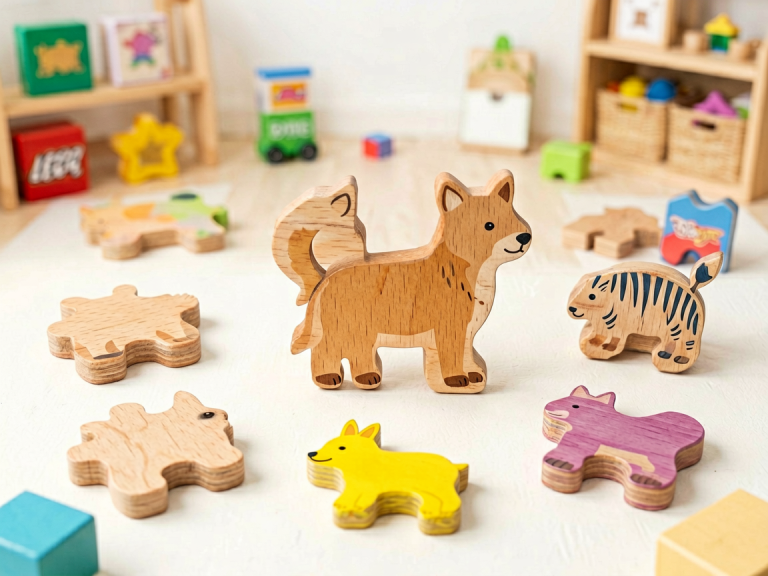
Keep a variety of age-appropriate puzzles—from simple wooden jigsaws to 100-piece floor puzzles. Puzzle-solving sharpens visual-spatial reasoning and persistence. To make it cooperative, work on a large puzzle together as a family.
DIY Board Games
Design a simple board game on poster board. Draw a winding path with numbered spaces. Add “fun challenges” cards (e.g., “Do five jumping jacks” or “Name three animals that live in the ocean”). Children learn turn-taking, counting, and rule-following.
Treasure Hunt with Clues
Hide a small prize somewhere in the house. Write or draw clues (for pre-readers, use pictures) that lead from one location to another. For example, “Look under the couch where your teddy bear sleeps.” This activity boosts reading comprehension and problem-solving.
Science Experiments in the Kitchen
Simple experiments like a baking soda and vinegar volcano, making a lava lamp with oil and water, or growing a bean in a wet paper towel captivate children. Discuss the “why” behind the reaction to introduce basic scientific concepts.
—
6. Tips for Organizing a Safe and Engaging Indoor Play Space
A well-planned environment can make daily indoor play smoother and more enjoyable.
Designate a Play Zone
Even in small apartments, a specific area (a corner of the living room or a child’s bedroom) can be the play zone. Use a soft rug or play mat to define the space. Store toys in low, accessible bins or shelves so children can choose activities independently.
Rotate Toys and Materials
To prevent boredom, rotate a selection of toys every week. Keep the rest out of sight. This “new” rotation reignites interest and prevents overstimulation from too many choices.
Safety First
Avoid small objects for children under three. Secure furniture that could tip over. Use non-toxic art supplies and ensure that any messy play happens on a protected surface. Always supervise water or sensory play with small objects.
Embrace Flexibility
Some days your child will want intense physical play; other days they’ll crave quiet drawing. Follow their cues. The goal is not to fill every minute with structured activities but to provide a rich menu of options.
—
Conclusion
Indoor play activities for kids are far more than a way to pass the time—they are building blocks for healthy development. By offering a mix of creative, physical, sensory, and educational experiences, parents can turn any living room into a world of discovery. The activities detailed above require minimal cost and preparation, yet they yield lasting benefits: stronger motor skills, sharper minds, and sweeter memories. So the next time you hear the pitter-patter of rain or feel the chill of winter, embrace the opportunity. Spread out the play mat, gather a few supplies, and watch your child’s imagination take flight—right inside your own home.