The Art of Thoughtful Giving: A Parents Guide to Planning the Perfect Birthday Gift
Introduction
Every parent knows the familiar feeling: a child’s birthday is approaching, and the pressure to find the “perfect” gift begins to mount. The toy store aisles blur, online reviews overwhelm, and the fear of a disappointed face lingers. But gift-giving does not have to be a last-minute scramble. With intentional planning, a birthday present can become a meaningful experience that strengthens your bond, encourages your child’s growth, and creates lasting memories. This guide offers practical, research-backed tips for parents who want to move beyond the generic and craft a gift that truly speaks to their child’s unique personality, interests, and developmental stage.
Understanding Your Child’s Current Passions
Before any shopping begins, take a step back and observe. Children’s interests are rarely static—they can shift from dinosaurs to astronauts to anime in a matter of months. The first and most critical step in planning a birthday gift is to listen and watch. What does your child gravitate toward during free play? What topics do they bring up at dinner? Are they currently obsessed with a particular book series, YouTube channel, or outdoor activity?
Create a simple “interest inventory” a few weeks before the birthday. Write down the top three things your child talks about or engages with most. For example, a seven-year-old might be fascinated by coding games, while a ten-year-old might be immersed in soccer or drawing manga. This list becomes your compass. It helps you avoid the trap of buying what *you* think is cool or what other parents recommend, and instead directs you toward something that resonates emotionally with your child.
It is also worth noting that children often have fleeting passions that feel intense but may not last. That is perfectly okay. A gift aligned with a current obsession is still valuable because it validates their exploration. If the passion fades, the gift has already served its purpose—it gave them joy in that moment and affirmed that their interests matter to you.
Setting a Realistic and Creative Budget
Money is a sensitive topic for many families, but planning a birthday gift without a budget is like building a house without a blueprint. Start by deciding on a clear spending limit based on your family’s financial situation. This limit should be fixed before you browse any store or website. But here is the twist: a small budget does not mean a small gift. In fact, creativity often flourishes under constraints.
Instead of focusing on the price tag, think about the “value density” of the gift—how much joy, learning, or connection it provides per dollar. A handmade coupon book for “one free trip to the ice cream shop together” can be worth far more than an expensive video game that will be played alone. Similarly, a set of art supplies with a personal letter explaining why you believe in their creativity can be more impactful than a generic toy.
Parents should also consider the hidden costs of gifts: storage space, assembly time, and ongoing maintenance (like batteries or replacement parts). A large playset might look impressive, but if it requires an hour of assembly and a dedicated corner of the living room, it could become a burden rather than a joy. Budgeting not only for the purchase but also for the “life” of the gift ensures that the present stays positive long after the wrapping paper is gone.
The Power of Experiential Gifts
One of the most underutilized categories of birthday gifts is the experiential present—something that creates a memory rather than a possession. Research in positive psychology consistently shows that experiences bring more lasting happiness than material goods. For children, this can be especially powerful because it involves active participation, shared time, and often a sense of adventure.
Consider gifting a “birthday adventure day” where you plan a series of activities based on your child’s interests. For a young nature lover, this could be a hike with a scavenger hunt, followed by a picnic and a trip to a local nature center. For a budding chef, it could be an afternoon at a cooking class where they learn to make their favorite dish. The key is to make the experience feel exclusive and personal—perhaps by creating a simple invitation or a small banner that says “Happy Birthday, Explorer!”
Experiences also include memberships or subscriptions. A year-long pass to a children’s museum, a zoo, or a science center can offer countless weekends of discovery. Subscription boxes (for science experiments, art projects, or books) deliver surprise and anticipation month after month, stretching the joy of the birthday well beyond a single day. The beauty of experiential gifts is that they often involve you, the parent, as a co-participant. This shared time becomes a gift for you too—a chance to connect without distractions and to see your child’s world through their eyes.
Involving Your Child in the Process (Without Ruining the Surprise)
There is a delicate balance between surprising a child and ensuring the gift is truly wanted. Many parents worry that involving the child will spoil the magic of a surprise. However, thoughtful inclusion does not mean revealing the exact gift. It can mean asking subtle questions or creating a “wish list” activity together.
A few weeks before the birthday, sit down with your child for a lighthearted conversation. Phrase it as a game: “If you could have any three magical objects in the world for your birthday, what would they be? They don’t have to be real—just things that would make you super happy.” This open-ended question allows children to dream without feeling pressured to name a specific product. From their answers, you can often infer underlying themes: a desire for independence (e.g., a “magic key” that opens any door), a love of building (e.g., “a machine that makes new Lego sets”), or a need for comfort (e.g., “a giant fluffy pillow that talks to me”).
For older children (ages 8 and up), you can be more direct. Ask them to create a “birthday board” on Pinterest or a simple list on paper of things they like. Frame it as a way to help grandparents and other relatives choose gifts. This not only guides you but also teaches your child the value of expressing wants clearly. The surprise element is not lost—they still do not know which item on the list you will choose, or in what form it might come.
Planning Ahead to Avoid Last-Minute Stress
Procrastination is the enemy of thoughtful gifting. When you wait until the day before the birthday, you are forced to settle for whatever is available at the store or can be shipped overnight. This often leads to overpriced, generic, or ill-fitting presents. Instead, mark your calendar with a “gift planning deadline” that falls at least three weeks before the birthday.
Start by researching ideas early. Use the interest inventory you created and browse online for unique options. Many artisan marketplaces (such as Etsy) offer personalized items that take time to produce—custom name puzzles, hand-painted storybooks, or engraved jewelry. These need to be ordered weeks in advance. Similarly, popular toys often go out of stock during birthday seasons. By planning ahead, you can snag the item your child really wants without paying inflated reseller prices.
Another benefit of early planning is the ability to “test” the gift. If you are considering a board game or a craft kit, you can open it (carefully) to check for missing pieces or confusing instructions before you wrap it. Nothing dampens a birthday morning like discovering that the toy requires an Allen wrench you do not have, or that the instructions are in a language you cannot read. Give yourself time to troubleshoot or exchange.
Personalization: The Small Details That Make a Big Difference
A gift becomes truly special when it carries a personal touch. You do not need to be a crafty person or spend extra money on monogramming. Personalization can be as simple as a handwritten note tucked inside the box, explaining why you chose this gift. For example: “I noticed how you’ve been practicing your guitar every day after school. I found this songbook with your favorite artist’s music—I hope it helps you learn even more. I can’t wait to hear you play.”
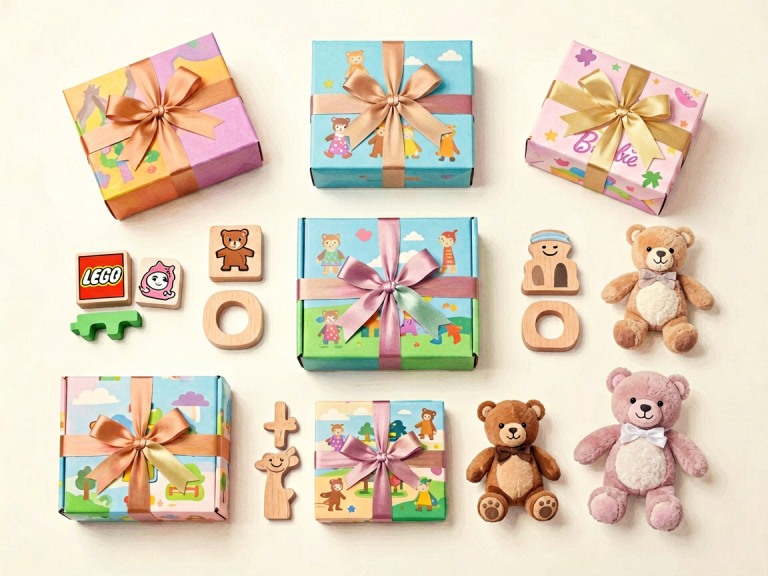
For younger children, personalization can involve the wrapping itself. Let your child’s favorite colors, characters, or themes inspire the paper and ribbon. If they love space, wrap the gift in dark blue paper with star stickers and include a small “astronaut mission card” that says you are launching their birthday mission today.
You can also personalize the gift by pairing it with a shared activity. For instance, if you give a new bicycle, attach a note that says, “Ready for our Saturday morning rides? Let’s explore the park together next weekend.” This transforms a material object into a promise of quality time.
Considering Long-Term Value and Sustainability
In an age of fast fashion and disposable toys, parents have an opportunity to teach values through gift choices. A birthday present can be a vehicle for lessons about sustainability, quality over quantity, and mindful consumption. Opt for gifts that are durable, repairable, and made from sustainable materials. Wooden toys, for example, often last for decades and can be passed down to siblings or friends.
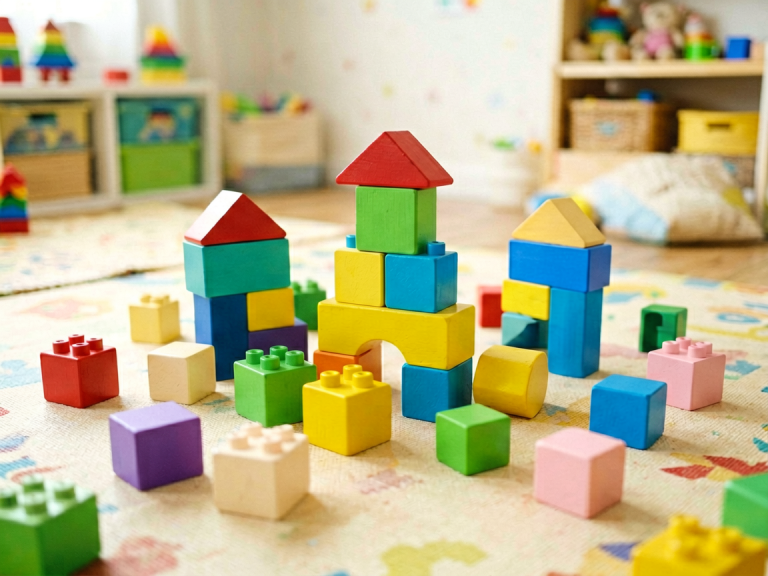
Think also about the “second life” of a gift. Will it be easily donated, resold, or recycled? Avoid kits that include dozens of single-use plastic pieces that will break within a week. Instead, choose open-ended toys like building blocks, art supplies, or musical instruments that encourage creativity and can be used in countless ways. Books, too, are timeless gifts that grow with the child—a beloved picture book read at age five can be revisited at age ten with new understanding.
If your child already has an abundance of toys, consider a “gift of subtraction” instead—for example, a trip to the toy store to donate gently used items to a local shelter, followed by a small treat. This teaches generosity and helps make room for something new.
Conclusion: The Gift of Attention
Ultimately, the best birthday gift you can give your child is your full, undivided attention wrapped in thoughtful planning. The process of observing, listening, and preparing a gift that aligns with their authentic self sends a powerful message: “I see you. I know you. You matter.”
No amount of money can buy that feeling. But with intention, creativity, and a little advance work, you can create a birthday moment that your child will remember not for the toy, but for the love it represented. So take a deep breath, put down the credit card, and start with the simplest tool of all: a conversation with your child. That conversation is the beginning of the greatest gift you will ever give.