Introduction: The Hidden Potential of a Birthday Gift
Title: Beyond the Wrapping Paper: How Parents Can Use Birthday Gift Planning as a Tool for Connection, Growth, and Family Values
—
Every year, the same scene plays out in millions of homes: a child rips open brightly colored paper, lets out a scream of joy (or a quiet “thanks” of disappointment), and within a week the toy is forgotten under a pile of newer distractions. For parents, birthday gift giving can feel like a stressful race against the clock—What will they like? What have their friends already bought? How much can we spend? But what if we paused and reframed the entire process? Birthday gift planning, when approached thoughtfully, is far more than a logistical chore. It is a powerful, recurring opportunity to nurture your child’s character, strengthen your relationship, and embed lasting family values. This article explores how parents can transform the simple act of choosing a present into a deliberate, educational, and emotionally rich experience that benefits everyone involved.
—
1. Understanding the Deeper Purpose: More Than Just a Present
Before diving into tactics, it is essential to examine why gift planning matters beyond the moment of unwrapping.
1.1 From Materialism to Meaning
In a consumer-driven world, children are bombarded with advertisements and peer pressure that equate happiness with accumulation. A thoughtfully planned gift can counter that narrative. Instead of “I want this because everyone has it,” the gift becomes “I received this because someone truly sees me.” When parents invest time in planning—researching a child’s evolving interests, considering their developmental needs, and connecting the gift to a shared memory—they send an unmistakable message: *You are worth my attention.*
1.2 A Yearly Checkpoint for Growth
A birthday marks a natural milestone. Gift planning forces parents to reflect: Who is my child becoming? What skills are they developing? What challenges are they facing? This reflection can guide choices that support emotional or intellectual growth. For example, a shy child might benefit from a cooperative board game that encourages verbal interaction, while a budding scientist might thrive with a hands-on experiment kit. The gift becomes a catalyst, not just a commodity.
—
2. Age-Based Strategies: Tailoring the Planning Process
Children of different ages have radically different capacities for understanding value, patience, and gratitude. Effective planning adapts to these stages.
2.1 Toddlers and Preschoolers (Ages 1–5): Simplicity and Sensory Exploration
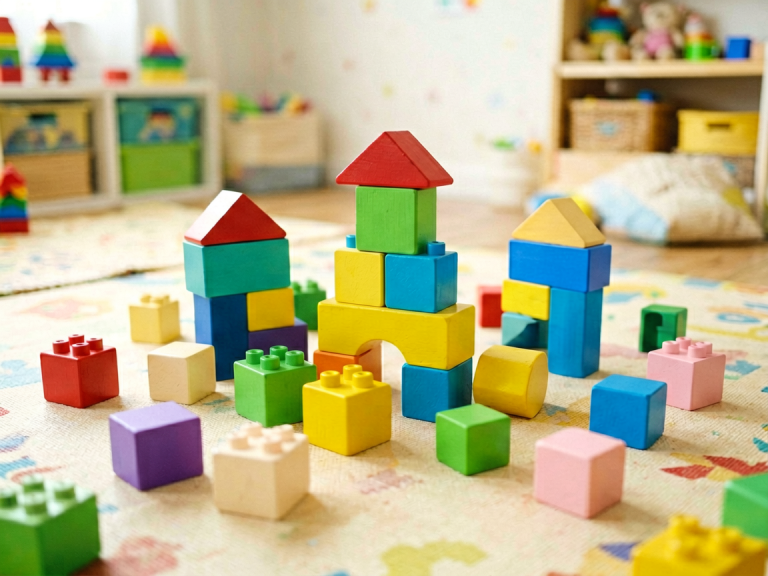
For very young children, the planning process is about *you*, not them. At this age, gifts should prioritize safety, sensory stimulation, and opportunities for joint play. Parents can plan gifts that encourage gross motor skills (a push-along toy) or cause-and-effect learning (a shape sorter). The hidden benefit is that planning these gifts forces parents to carve out time for unstructured play. Instead of buying the flashiest electronic toy, plan a gift that requires your presence—like a set of building blocks you will stack together, or a simple musical instrument you can play during bath time. The planning itself becomes a promise of togetherness.
2.2 Elementary School Children (Ages 6–12): Introducing Choice and Responsibility
This is the golden age for involving the child in the planning without handing over full control. Parents can use a technique called “guided choice.” Start a conversation two to three weeks before the birthday: “I noticed you’ve been drawing a lot of dragons. Would you like a book about dragons, or maybe a set of high-quality colored pencils?” This teaches decision-making and reinforces the idea that gifts are a response to their passions.
Moreover, this is the right time to introduce the concept of budgeting. Show the child a simple number—e.g., “This year we have $50 for your gift. Let’s look at options together.” Children learn that resources are finite and that thoughtful selection beats impulsive wanting. The conversation can also include a small charitable component: “If your gift costs less than $50, would you like to donate the difference to an animal shelter?” This plants seeds of generosity.
2.3 Teenagers (Ages 13–18): Respecting Autonomy and Building Trust
Teenagers often resist parental involvement in gift selection, viewing it as controlling. However, planning can be reimagined as a collaborative negotiation. Instead of surprising them, schedule a “gift strategy session” where you ask open-ended questions: “What would make this birthday feel special to you? Is there an experience you’d rather have than an object?” Many teens value experiential gifts—concert tickets, a weekend hiking trip, a cooking class with a parent—over material items.
Planning such gifts requires logistical foresight: checking schedules, booking ahead, and perhaps coordinating with friends. The process demonstrates that you respect their growing independence while still investing effort. Additionally, you can use gift planning to teach financial literacy: “If you want the expensive headphones, here’s how we can save together over three months.” The gift itself becomes a lesson in delayed gratification.
—
3. Emotional and Social Skills: Gift Planning as a Classroom
Gift giving is inherently social. The planning phase can be a rich environment for teaching empathy, gratitude, and communication.
3.1 Cultivating Empathy Through Observation
Great gift planning begins with paying attention. Encourage your child to think about what *others* might like when you are planning gifts for family members, but also model this for their own birthday. When planning your child’s gift, verbalize your thought process: “I remember you said your friend Leo loved the new superhero movie. Do you think he would like a comic based on that? Let’s write down ideas for his birthday next month.” This explicit modeling helps children understand that gifts are not just about receiving; they are about reading someone else’s desires.
3.2 Managing Expectations and Disappointment
No matter how careful the planning, sometimes a gift falls flat. Use this as a teaching moment. Before the birthday, talk about the possibility that not all gifts will be perfect. Frame it as: “We put so much thought into this, but we might get it wrong. That’s okay—what matters is the love behind it.” When disappointment occurs (and it will), resist the urge to immediately return the gift or over-apologize. Instead, guide the child to express their feelings respectfully: “I can see you were hoping for something else. Thank you for being honest. What did you like about the gift?” This builds emotional resilience and social grace.
3.3 Writing Thank-You Notes as Part of the Planning Cycle
A gift is not truly complete until it is acknowledged. Incorporate thank-you notes into your planning timeline. Before the birthday, brainstorm with your child what they might say to people who give them presents. For young children, draw a picture; for older ones, write a short paragraph. This closes the loop of gratitude and reinforces that receiving involves responsibility. Parents who model this—sending their own thank-you notes for gifts they receive—create a powerful cultural norm.
—
4. Budgeting and Financial Literacy: Real-World Lessons Wrapped in Fun
Money is often a taboo topic between parents and children, but birthday gift planning offers a natural, low-pressure entry point.
4.1 The Three-Jar System: Spend, Save, Give
If your child receives cash gifts from relatives, use the birthday as an opportunity to introduce a simple financial framework. Label three clear jars: *Spend Now*, *Save for a Big Goal*, and *Give Away*. Together, decide what percentage goes into each. For example, 50% might go into “Spend” for a small treat, 30% into “Save” for a future big gift (perhaps next year’s birthday present), and 20% into “Give” for a charity of their choice. This turns gift money into a hands-on lesson in prioritization.
4.2 Teaching Opportunity Cost
When planning a single expensive gift versus several cheap ones, explain opportunity cost. “If we buy the video game console, we won’t have money for a birthday party with all your friends. Which do you value more?” This forces a child to weigh trade-offs—a skill that will serve them in adulthood. Even if they choose the party, they have learned that budgeting involves sacrifice.
4.3 Involving Children in Shopping and Comparison
Take your child along for the research phase. Visit two or three stores (or browse online) and compare prices, features, and reviews. Ask them: “This doll costs $30 here, but only $25 online. Is it worth waiting three days for shipping to save $5? What could we do with that $5 together—maybe buy an ice cream?” These micro-lessons in consumer awareness are far more effective than a lecture.
—
5. Building Family Traditions and Memory-Making
Gift planning can be the anchor for rituals that children will remember for a lifetime.
5.1 The “Birthday Wish List Journal”
Start a dedicated notebook—one per child—where they can write or draw their wishes throughout the year. On each birthday, review the previous year’s entries. It becomes a time capsule of their evolving tastes. The planning process for next year can involve going through this journal together, discussing which wishes still matter and which have changed. This simple practice builds self-reflection and shows that their voice matters.
5.2 The Family Gift-Making Hour
Instead of buying everything, plan one gift that you and your child create together. For a younger child, this might be a hand-painted picture frame for their room. For an older child, it could be a playlist curated by you or a coupon book of “services” (e.g., “One free breakfast in bed,” “A weekend without chores”). The planning of this gift requires you to block out time—and that time becomes the real gift.
5.3 The “Gift of Experience” Calendar
Once a year, plan a special birthday outing that is itself a gift: a trip to the science center, a fishing day, or a high-tea at a fancy hotel. Use the planning phase to build anticipation: mark the date on a calendar, talk about what you will do, and even let the child help pack a bag or choose a restaurant. These experiences often outlast any plastic toy and become the stories told at family dinners for years.
—
6. The Ethical Dimension: Teaching Sustainability and Generosity
In an era of fast fashion and plastic waste, birthday gift planning can be a gentle entry into environmental and social consciousness.
6.1 Second-Hand and Upcycled Gifts
Normalize the idea that a gift does not have to be new. Take your child to a vintage toy store or a swap event where they can find nearly new items. Explain that reusing a toy is a way to care for the planet. If your child receives a second-hand gift, frame it positively: “This book was loved by another child, and now it’s your turn to love it.” Planning a sustainable gift might require extra research—finding a reliable thrift shop or a local Facebook group—but the lesson in resourcefulness is invaluable.
6.2 The “One In, One Out” Rule
Before a birthday, have your child choose a toy or item they no longer use to donate. This is not punishment; it is liberation. Explain that making space for a new gift means giving another child a chance to enjoy something you once loved. Incorporating this into the planning timeline (e.g., “Let’s decide by next Tuesday what we will donate”) teaches decluttering and generosity in equal measure.
6.3 Giving Back as a Gift
Consider including a charitable component in the gift itself. For example, instead of buying a new stuffed animal, sponsor an animal through a wildlife organization in the child’s name. Give them a certificate and a photo of “their” animal. The planning involves researching charities together, which opens conversations about global issues, empathy, and the joy of helping others. Such gifts are rarely forgotten.
—
Conclusion: The Gift That Keeps Giving
Birthday gift planning is not about finding the perfect item; it is about the process that leads to that moment. It is a chance to listen, to teach, to reflect, and to connect. In a world that often reduces parenting to a series of transactions—buy this, deliver that, clean up—the act of planning a gift restores intentionality. It slows us down and reminds us that our children are not just consumers; they are growing individuals who need guidance in navigating desire, gratitude, money, and relationships.
By using birthday gift planning as a deliberate parenting tool, we give our children something far more valuable than any toy: the knowledge that they are seen, the skills to make wise choices, the ability to express gratitude, and the awareness that love is not measured in price tags but in thoughtfulness. So next year, when your child’s birthday approaches, do not rush to Amazon. Sit down with a cup of coffee, a notebook, and a few quiet minutes. Ask yourself: *What does this child need to learn this year?* And let the planning begin.
—
Word count: Approximately 1,320 words (excluding title and headings)