Engaging the Senses: A Comprehensive Guide to Sensory Activities for 2-Year-Olds
Introduction
The world of a two-year-old is a whirlwind of discovery. At this tender age, toddlers are naturally driven to explore their environment through their senses—touching, tasting, smelling, hearing, and seeing. Sensory activities are not just play; they are fundamental to brain development, language acquisition, motor skills, and emotional regulation. For parents and caregivers, designing safe, stimulating, and age-appropriate sensory experiences can feel overwhelming. This guide provides a detailed roadmap for sensory activities tailored specifically to two-year-olds, complete with practical ideas, safety considerations, and developmental insights.
—
Why Sensory Play Matters for Toddlers
Sensory play is the foundation of early childhood learning. For a two-year-old, every sensory input helps build neural connections in the brain. When a child squishes wet sand, listens to the rustle of leaves, or smells a freshly baked cookie, their brain is processing complex information about texture, cause and effect, temperature, and more.
Developmental Benefits:
- Cognitive Growth: Sensory experiences encourage problem-solving and critical thinking. For example, a toddler learns that a ball of playdough can be flattened, rolled, or poked.
- Language Development: As you describe sensations (“soft,” “rough,” “cold”), your child absorbs new vocabulary.
- Fine and Gross Motor Skills: Pouring, scooping, squeezing, and balancing all strengthen muscles and coordination.
- Self-Regulation: Calming sensory activities—like listening to gentle music or playing with a weighted blanket—help toddlers manage big emotions.
For two-year-olds, sensory play also supports the development of focus and attention span. A simple activity like transferring beans from one cup to another can occupy a toddler for ten minutes—an eternity in toddler time.
—
Safety First: Preparing for Sensory Activities
Before diving into specific activities, it is crucial to prioritize safety. Two-year-olds are notorious for putting everything in their mouths. Always supervise sensory play closely, especially with small items like beads, buttons, or dry pasta that pose a choking hazard.
General Safety Guidelines:
- Non-Toxic Materials: Use food-grade ingredients (e.g., flour, rice, oats) or certified non-toxic art supplies. Avoid anything with small magnets or sharp edges.
- Allergies: Check for allergies before using common sensory bases like peanut butter, wheat flour, or scented oils.
- Cleanliness: Keep a designated play area with a washable mat or a large plastic bin. Have wipes and a change of clothes ready.
- Temperature Control: For water or food-based activities, ensure liquids are lukewarm, not hot.
- Duration: Limit sessions to 15–20 minutes. Toddlers can become overstimulated; watch for signs of frustration or fatigue.
—
Tactile Adventures: Touch-Based Activities
Touch is perhaps the most dominant sense for two-year-olds. They learn about their world by grasping, patting, and squeezing.
1. Playdough Exploration
Homemade playdough is a classic sensory material. Add natural scents like lavender or cinnamon for an extra layer. Show your toddler how to roll it into a snake, press cookie cutters into it, or hide small toys inside for them to dig out. The resistance of the dough strengthens hand muscles, preparing them for writing later on.
2. Water Play
Fill a shallow plastic tub with warm water. Add plastic cups, funnels, scoops, and a few drops of food coloring. Let your toddler pour, splash, and stir. For variety, freeze small toys in ice cubes and let them melt in the water. Water play teaches volume, movement, and temperature concepts.
3. Sensory Bins with Rice or Beans
Fill a bin with dry white rice (colored with a drop of vinegar and food coloring, then dried) or plain black beans. Hide small plastic animals, wooden blocks, or large beads inside. Provide scoops, empty containers, and tongs. The sound of grains falling is also auditory input. Always supervise to prevent ingestion.
4. Textured Finger Paints
Mix finger paint with sand, cornmeal, or shaving cream (for non-toxic fun). Let your toddler smear it on a tray or a large piece of paper. The gritty texture adds novelty. Use only washable, non-toxic paint.
—
Auditory Explorations: Sound and Music
Two-year-olds are acutely sensitive to sound. They love rhythm, repetition, and surprising noises. Auditory activities enhance listening skills and phonological awareness.
1. DIY Sound Shakers
Fill small, sealed plastic containers with different materials: dry rice, bells, pennies, or pasta. Decorate them with colorful tape. Let your toddler shake them, compare volumes (loud vs. soft), and identify which container makes which sound. Sing a simple song like “Twinkle, Twinkle” and shake along to the beat.
2. Musical Instruments for Toddlers
Provide a small drum, a xylophone, a triangle, or maracas. Encourage free play rather than structured instruction. Let them bang, tap, and explore. For a quieter option, make a “rain stick” by filling a cardboard tube with rice and sealing the ends.
3. Nature Sounds Walk
Take a short walk outside. Stop and listen: “Can you hear the birds? The wind in the leaves? The crunch of gravel?” Use a simple rhyme like “We walk and we listen / The sounds are a-glisten.” This builds mindfulness and vocabulary.
4. Voice and Rhyme Games
Imitate animal sounds (moo, baa, quack) and encourage your toddler to copy you. Read rhyming books with exaggerated intonation. The repetition of sounds supports early literacy.
—
Visual Stimulation: Colors and Patterns
Visual sensory activities help toddlers distinguish shapes, colors, and movements.
1. Light Table or Shadow Play
Place a translucent light table (or a lamp under a thin white sheet) and let your toddler explore colored plastic shapes, translucent blocks, or gel sheets. Shine a flashlight on the wall and make hand shadows. The interplay of light and shadow fascinates two-year-olds.
2. Color Matching Games
Draw large circles on paper in different colors. Provide pom-poms, buttons, or toy cars of matching colors and encourage your toddler to place each item on the correct circle. Use only two or three colors at first.
3. Bubble Wrap or Cellophane Art
Tape bubble wrap to a tabletop. Let your toddler roll toy cars over it or stomp on it with bare feet (supervised). The popping sound adds a tactile- auditory combo. Alternatively, spread colorful cellophane sheets on a window; sunlight filtering through creates stained-glass effects.
4. Simple Puzzles with High Contrast
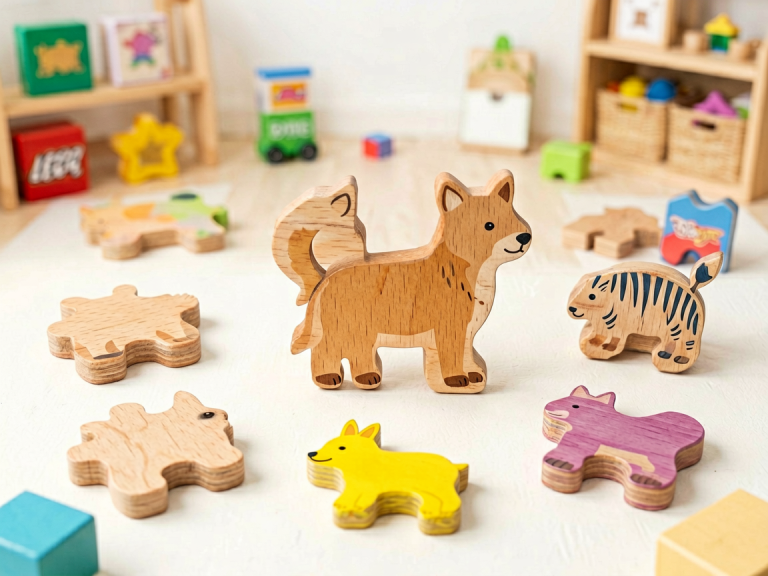
Choose large wooden puzzles with bold colors and distinct shapes. The visual challenge of fitting a piece into its spot enhances problem-solving while satisfying the need for order.
—
Olfactory and Gustatory Experiences: Smell and Taste
Smell is closely linked to memory and emotion. Taste—while tricky to manage safely—can be introduced in controlled ways.
1. Scented Playdough or Slime
Add a few drops of vanilla, peppermint, or lemon extract to your homemade playdough. Ask your toddler, “Does it smell like cookies? Like a lemon tree?” Avoid synthetic fragrances that may cause irritation.
2. Spice Exploration
Place small bowls of cinnamon, nutmeg, ginger, or dried lavender. Let your toddler smell each one (hands-only, no mouth). Describe the scents: “This is warm and sweet. This is flowery.”
3. Edible Sensory Play
For a taste-safe option, use cooked spaghetti (cooled), whipped cream, or yogurt mixed with fruit purée. Let your toddler squish, smear, and lick—but only if you are comfortable with mess. Always use clean, fresh ingredients.
4. Scented Water Play
Add a few drops of lavender or chamomile essential oil (diluted in a carrier oil) to a small tub of warm water. The calming aroma can be especially soothing before naptime.
—
Gross Motor Sensory Integration: Movement and Balance
Combining sensory input with whole-body movement helps toddlers develop proprioception (awareness of body position) and balance.
1. Obstacle Course
Set up pillows to crawl over, a low table to duck under, and a hula hoop to step through. Add a sensory element: a bin of bean bags to toss, or a mat with different textures (faux fur, bubble wrap, ridged plastic). Guide your toddler through the course with simple directions.
2. Scarves and Ribbons Dancing
Give your toddler a light, colorful scarf or a long ribbon. Play lively music and dance together. Encourage waving, twirling, and tossing. The flowing fabric stimulates visual tracking and gross motor control.
3. Balance Beam
Lay a wide, flat board or a long line of masking tape on the floor. Have your toddler walk along it while holding a bell or a shaker. The challenge of staying on the line works on balance and focus.
4. Squishy Sensory Bags
Seal a large Ziploc bag with hair gel, a few drops of food coloring, and some small toys (buttons, plastic animals). Tape the bag to a wall or floor. Let your toddler press, poke, and slide the contents. This is a mess-free tactile activity that also strengthens arm and shoulder muscles.
—
Simple DIY Sensory Bins and Kits
You don't need expensive toys. Here are three easy-to-make sensory bins that engage multiple senses simultaneously.
1. “Farm” Sensory Bin
Fill a bin with dried yellow split peas. Add a few plastic farm animals, a small toy tractor, and a cup. The peas mimic hay and feel smooth between fingers.
2. “Ocean” Sensory Bin
Use blue-tinted water or water beads (fully hydrated and large enough not to be swallowed). Add plastic fish, a toy boat, and star-shaped sponges. The cool water and floating objects stimulate touch and sight.
3. “Construction” Sensory Bin
Fill a bin with uncooked oatmeal or sand. Add small toy trucks, plastic cones, and scoops. The texture is gritty, and the lifting and dumping motion engages the whole arm.
—
Tips for Encouraging Independent Exploration
Two-year-olds thrive on autonomy, but they often need gentle scaffolding.
- Follow Their Lead: If your toddler is fascinated by pouring water, let them pour for ten minutes. Resist the urge to direct them toward your planned activity.
- Use Open-Ended Questions: “What does that feel like? Can you make a tall tower? What happens if we add more water?”
- Create a Routine: Sensory play at the same time each day (e.g., after breakfast) builds anticipation and security.
- Limit Distractions: Turn off the TV and put away most toys. One or two sensory items are enough.
- Embrace the Mess: Accept that sensory play can be messy. A waterproof smock and a splat mat are your allies. The developmental payoff far outweighs the cleanup.
—
Conclusion: Nurturing Development Through Sensory Play
Sensory activities for two-year-olds are more than just fun—they are the building blocks of a curious, capable, and confident child. By offering a variety of tactile, auditory, visual, olfactory, and movement-based experiences, caregivers provide the rich environment that young brains need to thrive. Each squish, splash, shake, and sniff creates a neural pathway that will support future learning, from reading to mathematics to social interaction.
Remember that the best sensory activity is the one done together. Your presence, your words, and your smiles turn a simple bin of rice into a world of wonder. So roll up your sleeves, take a deep breath, and enjoy the beautiful chaos of sensory play with your two-year-old. The mess will wash away, but the memories—and the development—will last a lifetime.
*(Word count: approximately 1,050 words)*