The Ultimate Holiday Toy Planning Guide for Parents: From Budget to Bedlam, How to Choose Wisely
Introduction
The holiday season sparkles with magic—twinkling lights, festive music, and the anticipation on your child’s face as they tear open a gift. But behind every joyful unwrapping lies a parent’s quiet stress: Will this toy last more than a week? Will it clutter the house? Is it safe? Will they even play with it? The pressure to buy the “perfect” present, amplified by advertisements and peer influence, can turn toy shopping into a minefield. This guide is designed to equip you with a strategic, thoughtful approach to holiday toy planning—saving your wallet, your sanity, and your child’s long-term development. From budget mastery to safety checks, here’s your roadmap to a holiday season filled with meaningful gifts, not regret.
—
1. Start Early: The Art of Toy Planning
Procrastination is the enemy of smart shopping. Starting your toy research at least four to six weeks before the holidays gives you time to observe your child’s current interests, read reviews, compare prices, and avoid last-minute panic buys. Create a simple “wish list” folder on your phone or a notebook. Jot down toys your child mentions, items they gravitate toward at friends’ houses, or open-ended playthings that spark their creativity. Early planning also allows you to catch Black Friday, Cyber Monday, or pre-holiday sales without impulse decisions. Remember: a well-planned gift list is not restrictive—it’s a compass that keeps you from wandering into the aisle of regret.
—
2. Set a Realistic Budget (and Stick to It)
The holiday spirit does not require a credit card hangover. Before you step into a store or open a shopping app, decide on a total toy budget and break it down per child. A common trap is the “one big gift, plus stocking stuffers” model, but even that can spiral. Consider these guidelines:
- Limit the number of gifts. The “four-gift rule” (something they want, need, wear, and read) is a popular way to maintain focus.
- Account for hidden costs. Batteries, assembly tools, or subscription fees for digital toys can add up.
- Use cash or a dedicated prepaid card to avoid overspending.
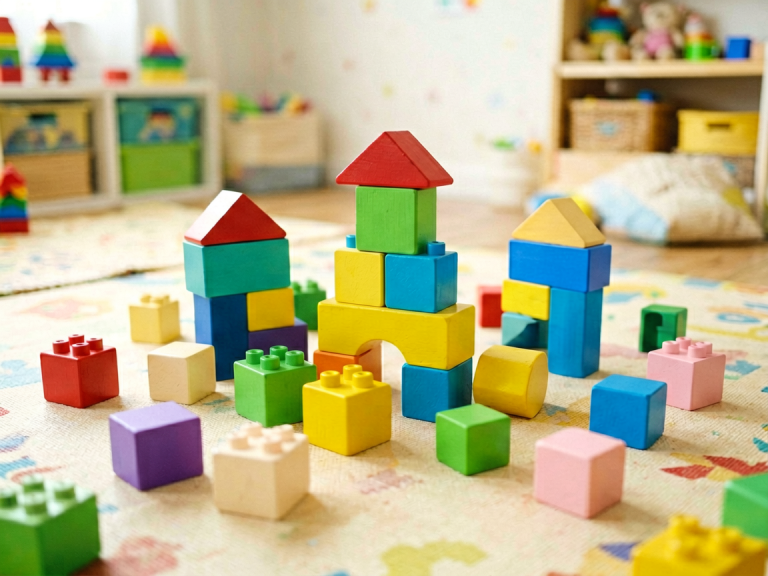
- Emphasize quality over quantity. One well-made building set that fosters hours of creative play often outlasts ten cheap plastic trinkets.
If your child begs for an expensive item, be honest: “We can save this for your birthday” or “Let’s put it on the wish list for relatives.” Budgeting isn’t depriving—it’s teaching financial boundaries.
—
3. Age Matters: Matching Toys to Developmental Stages
A toy that delights a three-year-old may frustrate a seven-year-old or bore a ten-year-old. Age labels on packaging are more than legal disclaimers—they reflect safety, motor skill requirements, and cognitive complexity. Here’s a quick breakdown:
- Ages 0–2: Focus on sensory stimulation: soft blocks, rattles, textured balls, and board books. Avoid small parts that pose choking hazards.
- Ages 3–5: Pretend play flourishes. Dress-up costumes, play kitchens, simple puzzles, and beginner construction sets (like large LEGO Duplo) build imagination and fine motor control.
- Ages 6–8: Logical thinking emerges. Board games, science kits, advanced building sets, and craft supplies encourage problem-solving and social interaction.
- Ages 9–12: Interests become more specialized. Coding kits, musical instruments, sports equipment, or strategy games appeal to growing independence. Resist the urge to “gift up” to an older age—it can lead to frustration or disinterest.
—
4. Quality Over Quantity: Focus on Educational Value
Not every toy needs to teach calculus, but the best toys engage a child’s mind, body, or emotions in a meaningful way. Look for:
- Open-ended play: Items like wooden blocks, art supplies, or magnetic tiles can be used in countless ways, fostering creativity and problem-solving.
- STEM/STEAM focus: Kits that introduce coding, circuitry, or simple chemistry make learning feel like play.
- Social-emotional development: Cooperative board games (not competitive ones) teach patience, sharing, and teamwork.
- Physical activity: Bicycles, jump ropes, or indoor obstacle course kits combat screen fatigue.
Avoid toys that do everything for the child—battery-operated singing-and-dancing dolls, for example, often lose appeal after the first ten minutes. The most lasting toys are those that require a child’s active participation.
—
5. Safety First: Avoiding Hazards and Recalls
Each year, thousands of toys are recalled due to lead paint, choking hazards, or strangulation risks. Protect your child by:
- Checking the CPSC (Consumer Product Safety Commission) website for recent recalls, especially for secondhand or imported toys.
- Avoiding toys with small magnets (for children under 6) as swallowed magnets can cause life-threatening internal injuries.
- Inspecting button batteries—they are extremely dangerous if ingested. Ensure battery compartments are secured with screws.
- Choosing non-toxic materials: Look for “phthalate-free” and “BPA-free” labels on plastic toys, and opt for natural wood or fabric where possible.
- Supervising younger siblings: A toy meant for an older child can become a hazard for a toddler in the same home.
Safety isn’t fearmongering—it’s the non-negotiable foundation of any gift.
—
6. Think Beyond the Box: Experiences and Creative Play
The best gift isn’t always a physical object. Children often treasure memories more than things. Consider:
- Experience gifts: Museum memberships, zoo passes, music lessons, or a “coupon booklet” for special outings (a trip to the planetarium, a baking day with Mom/Dad).
- Subscription boxes: Monthly deliveries (craft kits, books, science experiments) keep excitement alive long after the holidays.
- DIY gift certificates: “One movie night with Dad – you pick the snacks” or “A weekend camping trip in the backyard.”
- Encouraging independence: Items that build life skills, like a kid-safe knife set for cooking, or a simple tool kit for woodworking, can be transformative.
These gifts reduce clutter and strengthen parent-child bonds—a win-win.
—
7. The Digital Dilemma: Screen Time vs. Hands-On Toys
Tablets, gaming consoles, and smart toys are inevitable in today’s homes. But how do you navigate the digital landscape without sacrificing real-world play?
- Set clear boundaries: If you buy a tablet, pair it with a timer or parental controls. Choose educational apps over mindless “clickers.”
- Prioritize interactive digital toys: Coding robots, storytelling devices that require child input, or drawing tablets that save digital art are better than passive video games.
- Balance with physical play: For every digital gift, consider a non-digital one—a soccer ball, a board game, or a craft kit.
- Be wary of “smart” toys with internet connectivity: Always research privacy settings and disable microphones/cameras when not in use.
The goal isn’t to ban screens—it’s to ensure they complement, not replace, active, imaginative play.
—
8. Involve Your Child (But Keep the Surprise)
Children who feel heard are more likely to cherish their gifts. But how do you involve them without ruining the magic?
- Use a “wish cloud” list. Ask them to draw or write down 5–10 things they’d like, then secretly pick one or two.
- Observe their play patterns. If they constantly build forts or draw maps, they might love a construction set or art supplies even if they don’t ask for them.
- Read their body language in stores. Notice what makes their eyes light up—not what they shout for.
- Explain the “why” behind your choices. “You love helping me bake, so I got you this kid’s cookbook!” reinforces that gifts are thoughtful, not random.
A surprise doesn’t mean a blind guess—it means a curated joy.
—
9. Shopping Strategies: Deals, Lists, and Avoiding Impulse Buys
Smart shopping is a skill. Use these tactics to save money and time:
- Create a master list with price tracking. Apps like CamelCamelCamel track Amazon price history so you know when a deal is real.
- Buy during off-peak times. Toy stores often discount in early November and again in late December for clearance.
- Consider secondhand. Thrift stores, Facebook Marketplace, and kid consignment sales offer high-quality toys at a fraction of the retail price. Just sanitize and check for recalls.
- Avoid “fad” toys. The hottest movie tie-in or viral TikTok toy will likely be forgotten by January. Choose classics that transcend trends.
- Gift group pooling. Coordinate with grandparents, aunts, and uncles to avoid duplicates and ensure each gift is meaningful.
Remember: a toy that is 50% off but still collects dust is not a bargain—it’s a waste.
—
10. The Gift of Giving: Teach Generosity and Gratitude
The holidays are also a chance to shift focus from “what I get” to “what I can give.”
- Donate gently used toys together. Before the new gifts arrive, help your child select items for children in need.
- Encourage handmade gifts. A painted rock, a friendship bracelet, or a homemade card for a sibling teaches effort over expense.
- Write thank-you notes. After opening gifts, take time to draw or write to each giver, fostering appreciation.
- Create a “giving jar.” Let your child put a portion of their allowance or gift money toward a charity of their choice.
These practices embed empathy and gratitude into the holiday fabric, making the toy experience richer for everyone.
—
11. Final Checklist: Wrapping Up Your Holiday Toy Plan
Before you finalize your purchases, run through this quick audit:
- [ ] Does the toy match my child’s developmental stage?
- [ ] Is it safe, with no small parts or hazardous materials?
- [ ] Does it encourage active, creative, or social play (not passive consumption)?
- [ ] Have I checked for recalls and read at least three reviews?
- [ ] Is it within my budget, including hidden costs?
- [ ] Will it last—both physically and in terms of interest?
- [ ] Does it align with our family’s values (e.g., no violent themes, eco-friendly materials)?
- [ ] Have I balanced digital toys with physical ones?
- [ ] Is there at least one experience-based gift?
- [ ] Have I involved my child in a way that felt collaborative, not coercive?
Conclusion
The holiday toy planning journey doesn’t have to be chaotic. With intentionality, you can transform it from a frantic scramble into an act of love—strategic, thoughtful, and deeply connected to your child’s real needs. By prioritizing safety, development, creativity, and gratitude, you’re not just buying toys; you’re building a foundation for joyful, meaningful play that carries well beyond the holiday season. So take a deep breath, trust your plan, and watch your child’s wonder unfold—one carefully chosen gift at a time.