Nurturing Curious Minds: A Parent Guide to Supporting Learning at Home for Toddler Girls
Introduction
The toddler years—roughly ages one to three—are a whirlwind of discovery, emotion, and rapid development. For parents of toddler girls, this stage offers a unique window of opportunity to lay a strong foundation for lifelong learning. While every child develops at their own pace, research shows that the early home environment significantly influences cognitive, linguistic, social, and emotional growth. Yet many parents wonder: How can I support my toddler girl’s learning at home without turning our living room into a classroom? The answer lies in embracing play, routine, and responsive interaction.
This guide is designed to help you—parents, caregivers, and guardians—create a rich, supportive learning atmosphere tailored to the specific needs and interests of toddler girls. From language development to motor skills, from emotional regulation to early problem-solving, we will explore practical, evidence-based strategies that fit naturally into your daily life. Remember, the goal is not to push your child ahead academically, but to nurture her innate curiosity and confidence as she explores the world around her.
Creating a Nurturing and Stimulating Environment
The physical space in which a toddler girl plays and learns matters more than you might think. A well-organized, safe, and inviting environment encourages independence and exploration.
Designate a “Yes Space”
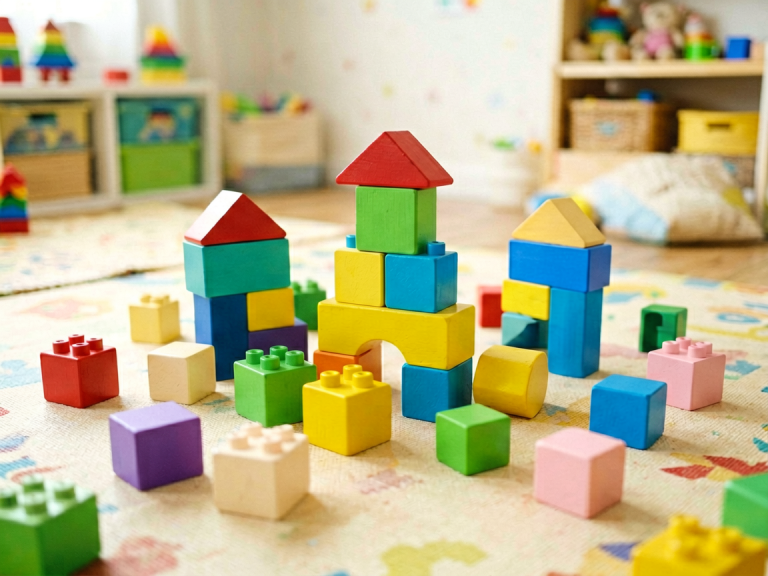
A “yes space” is an area where your child can move freely without constant “no” and “don’t touch.” For toddler girls, this might be a corner of the living room or a section of her bedroom. Include low shelves with open bins containing a rotating selection of toys: wooden blocks, simple puzzles, soft dolls, stacking cups, and picture books. Keep art supplies like chunky crayons and washable markers within easy reach. When a toddler knows she can touch and interact, she feels empowered to initiate her own learning.
Embrace Order and Routine
Toddler girls often thrive on predictability. A consistent daily rhythm—morning snack, playtime, outdoor time, lunch, nap, story time—provides a sense of security that frees her mind to focus on learning. Use visual cues (a simple picture schedule) to help her anticipate what comes next. This structure also teaches early concepts of time and sequencing.
Incorporate Nature and Sensory Elements
Girls this age are naturally drawn to textures, colors, and sounds. Place a small tray of sand, rice, or water with cups and scoops on the floor for sensory play. Hang a bird feeder outside the window to spark observation. A flower garden or a pot of herbs on the balcony invites her to touch, smell, and ask questions. These experiences build vocabulary and scientific thinking.
Encouraging Language Development
Language blooms rapidly during the toddler years, and girls often show an early verbal advantage. Your role is to be a conversational partner, not just a teacher.
Narrate Your Day
Talk to your toddler girl constantly, describing what you are doing in simple, clear sentences. “I am cutting the carrot into small pieces. Look, the carrot is orange. Now I am putting it in the pot.” This “running commentary” exposes her to sentence structure, new words, and the connection between language and action. She will absorb these patterns and begin to mimic them.
Read Interactively, Not Just Passively
Sit together with a picture book. Instead of simply reading the words, pause and ask questions: “Where is the bunny?” “What color is her dress?” “Can you point to the ball?” Let her turn the pages, even if she sometimes skips ahead. Choose books with repetitive phrases, rhymes, and strong female characters—stories about little girls exploring, helping, or imagining. Board books with flaps or textures encourage tactile involvement.
Sing, Rhyme, and Chant
Nursery rhymes and simple songs are powerful language tools. Sing “Twinkle, Twinkle, Little Star” while pointing to the sky. Clap along to “Pat-a-Cake.” The rhythm and repetition help toddlers remember words and sounds. Make up silly rhymes about her day: “Emma is putting on her red shoe, what will she do?” These playful interactions strengthen phonemic awareness, a precursor to reading.
Model Rich Vocabulary
Don’t shy away from using descriptive words. Instead of just “big,” say “enormous” or “huge.” Instead of “happy,” say “delighted” or “joyful.” When she points to a dog, you can say, “Yes, that’s a fluffy, golden retriever. He is wagging his tail because he is excited.” Toddler girls have an amazing capacity to learn words in context; you are building their receptive vocabulary long before they use those words.
Fostering Cognitive Skills Through Play
Play is the primary vehicle for cognitive development in toddlerhood. For girls, who often gravitate toward pretend play and social interaction, you can weave learning into their favorite activities.
Pretend Play as Problem-Solving
When a toddler girl pretends to feed her doll or make a phone call, she is engaging in symbolic thinking. Join her play without taking over. If she is “cooking,” ask, “What are you making? Can I have a taste?” Introduce props like play food, small plastic cups, or a toy cash register. Through these scenarios, she practices sequencing (first mix, then bake), categorization (fruits vs. vegetables), and cause-and-effect (if I pour too much, it spills).
Simple Puzzles and Matching Games
Puzzles with 2–6 pieces help develop spatial reasoning and hand-eye coordination. Start with knob puzzles where each piece has a small handle. Matching games—find the two same socks, or match a plastic animal to its picture—strengthen memory and classification skills. For toddler girls, choose themes they love: animals, princesses, flowers, or everyday objects.
Sorting and Stacking
Provide a collection of objects in different colors, sizes, and shapes. Ask her to sort the red blocks into one pile and the blue into another. Stacking cups in order of size teaches comparison (bigger, smaller). These activities build early math concepts like seriation and one-to-one correspondence.
Encourage Cause-and-Effect Exploration
Let her experiment with simple tools. A wooden hammer and peg set, a shape sorter, or a pop-up toy all demonstrate that her actions produce a result. Ask questions like, “What do you think will happen if you push this button?” When she discovers the answer, praise her effort: “You figured it out!” This builds a growth mindset.
Building Social and Emotional Skills
Toddler girls are often deeply attuned to emotions, both their own and others’. Supporting their social-emotional learning is just as crucial as academic skills.
Name and Validate Emotions
When your daughter is frustrated because she cannot fit a puzzle piece, sit beside her and say, “I see you are feeling frustrated. It’s hard when the piece doesn’t fit. Would you like to try turning it?” By naming emotions, you help her build a vocabulary for feelings. Later, she can say “I’m mad” instead of having a meltdown.
Model Empathy and Kindness
Read stories about sharing, helping, and friendship. Use dolls or stuffed animals to act out scenarios: “Oh no, Teddy is sad because he lost his blanket. What can we do to help him?” Encourage gentle touch and caring words. When she shows kindness—sharing a snack or patting a crying friend—acknowledge it specifically: “You shared your cookie with your sister. That was so kind. She feels happy now.”
Teach Simple Conflict Resolution
Sibling or play-date squabbles are inevitable. Instead of immediately solving the problem, guide her with questions: “You both want the red car. What could we do? Maybe one person plays with it for five minutes, then the other?” Even if she does not fully understand the concept of waiting, the process teaches negotiation and patience.
Encourage Independence
Let your toddler girl try tasks on her own, even if it takes longer or gets messy. Putting on her shoes (even on the wrong feet), zipping a jacket, or pouring water from a small pitcher into a cup. Celebrate the effort, not the perfection. These small victories build self-esteem and a sense of agency.
Incorporating Fine and Gross Motor Activities
Physical development is a cornerstone of early learning. Toddler girls need plenty of opportunities to move their bodies and refine their hand control.
Fine Motor Fun
Fine motor skills are essential for writing later. Provide activities that strengthen small hand muscles: stringing large beads onto a shoelace, pinching play dough, peeling stickers, drawing with chalk on a sidewalk, or using a child-safe scissors with supervision. For toddler girls, you can integrate these into imaginative play—making “necklaces” for dolls or “cutting” pretend food.
Gross Motor Adventures
Toddler girls benefit from running, jumping, climbing, and balancing. At home, create an obstacle course with pillows to crawl over, a low balance beam (a strip of tape on the floor), or a small slide. Dancing to music is another wonderful gross motor activity—put on a favorite song and freeze when it stops. This develops coordination, rhythm, and listening skills.
Outdoor Exploration
Whenever possible, take learning outside. A walk in the park becomes a science lesson: “Look at the leaves. They are falling. Let’s collect some.” Riding a tricycle or push toy strengthens leg muscles and balance. Even ten minutes of outdoor play each day improves attention and mood, making indoor learning more productive.
Tailoring Learning to Toddler Girls’ Interests
One size does not fit all. While some toddler girls love princesses and dolls, others may be more interested in trucks, animals, or building blocks. The key is to observe your child’s natural inclinations and weave learning into those passions.
Follow Her Lead
If she spends twenty minutes pressing a button on a light-up toy, ask, “What color is that?” “How many times did it blink?” If she is fascinated by a butterfly outside, bring out a book about insects. When learning is connected to her intrinsic curiosity, engagement soars.
Provide Role Models and Diverse Stories
Expose your toddler girl to books and media featuring girls and women in a wide range of roles—scientists, artists, athletes, explorers. This broadens her sense of what is possible and counters narrow stereotypes. A simple board book about a girl who builds a rocket can spark hours of imaginative construction play.
Balance Screen Time with Hands-On Experiences
While educational apps and videos can offer benefits, the American Academy of Pediatrics recommends limiting screen time for toddlers to no more than one hour per day of high-quality programming, and always co-view with a parent. Use screen time as a springboard for discussion: “What did the character do? Can we try that?” Prioritize interactive, hands-on experiences that involve touch, movement, and real-world feedback.
The Role of Parents: Patience, Presence, and Praise
Your mindset as a parent shapes your toddler girl’s learning journey. Here are three pillars to keep in mind.
Patience: Embrace the Process
Learning is messy. Your daughter will paint on the table, spill water, and put puzzle pieces in her mouth. Instead of rushing to correct, take a deep breath and see these moments as part of experimentation. A calm, accepting response teaches her that mistakes are okay and that learning is a journey, not a race.
Presence: Put Away Distractions
When you spend ten minutes of undivided attention—no phone, no TV—you send a powerful message: You are important. Get down on her level, make eye contact, and engage fully in whatever she is doing. This quality time is more valuable than any educational toy.
Praise Effort, Not Outcome
Instead of “Good girl! You did the puzzle!” try “I see you worked really hard to put that piece in. You kept trying even when it was tricky.” This type of praise fosters a growth mindset and intrinsic motivation. Your toddler girl learns that effort and perseverance matter, not just being “smart” or “perfect.”
Conclusion
Supporting your toddler girl’s learning at home does not require expensive materials, lesson plans, or a strict schedule. It grows from the ordinary moments: the morning snuggle while reading a story, the shared laughter over a silly song, the patient guidance when a block tower collapses, and the celebration of a newly mastered skill. By creating a nurturing environment, talking and playing with intention, and following her natural curiosity, you are giving her the greatest gift—a love for learning that will last a lifetime.
Remember, you are not just her first teacher; you are her most important one. Trust your instincts, enjoy the journey, and celebrate the small wonders of each day. Your toddler girl is learning every single moment, and with your loving support, she is building the confidence to become a lifelong explorer of the world.