The Active Learner: A Parent’s Guide to Supporting Learning at Home for Toddler Boys
Introduction: Understanding the Toddler Boy Brain
Toddlerhood is a whirlwind of discovery, especially for boys. Between the ages of one and three, little boys are driven by movement, curiosity, and a powerful urge to explore their environment. While all toddlers learn through play, research suggests that boys often benefit from slightly different approaches—ones that honor their higher activity levels, shorter attention spans, and preference for hands-on, physical tasks. As a parent, you are your son’s first and most important teacher. The good news is that you don’t need fancy toys or rigid lesson plans. What you need is a flexible, loving, and intentional environment that turns everyday moments into learning opportunities. This guide will walk you through practical strategies to support your toddler boy’s cognitive, motor, language, and social-emotional development at home—without losing your sanity.
Why Focus on Toddler Boys Specifically?
Before diving into activities, it’s worth acknowledging that toddler boys often exhibit certain tendencies. On average, boys may be slightly more active, less verbal at this stage, and more inclined toward rough-and-tumble play. They may resist sitting still for long periods. Instead of fighting these traits, we can harness them. For example, a boy who loves to crash into pillows is learning about physics, spatial awareness, and body control. A boy who throws objects is experimenting with cause and effect. By reframing “messy” or “wild” behavior as exploratory learning, you can guide it productively. This guide is built on the belief that a toddler boy’s energy is a gift—not a problem to be solved.
—
1. Creating a “Yes” Space: The Foundation for Independent Learning
One of the most effective ways to support learning at home is to design an environment where your toddler boy can explore safely and freely. This is often called a “yes” space—a designated area where almost nothing is off limits.
Why it matters: When a child hears “no” constantly, his natural curiosity gets squashed. A “yes” space reduces power struggles and allows him to follow his interests. For a toddler boy, this space should include:
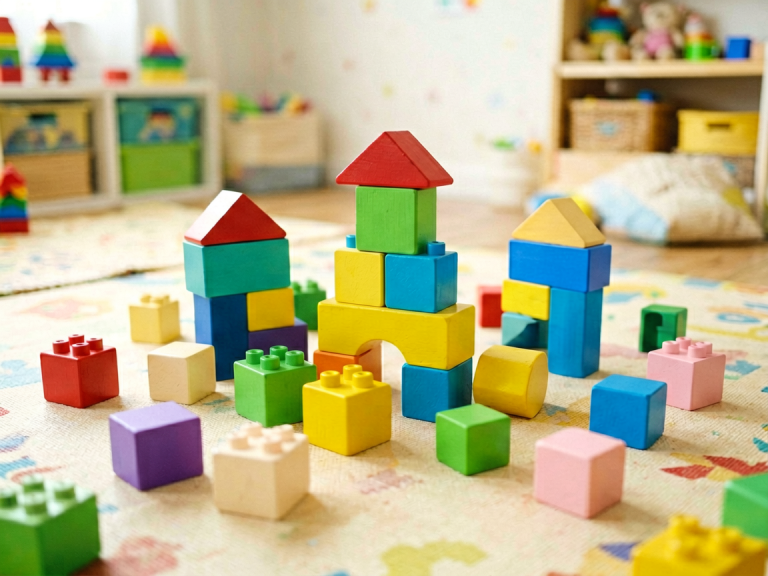
- Low shelves with a few rotating toys (puzzles, blocks, cars)
- A soft mat or rug for crashing and rolling
- A small table and chair for art or snacks
- Baskets of board books at eye level
- A child-safe mirror for self-discovery
Tips for success: Keep the space clutter-free. Rotate toys weekly to maintain novelty. Include open-ended materials like wooden blocks, stacking cups, and fabric scarves—these encourage creativity more than electronic toys. Also, add a small slide or climbing cushion if you have room, because boys often crave gross motor challenges.
What you can do: Sit nearby but don’t direct his play. Let him choose. Your presence alone provides security. When he looks at you for approval, simply smile or nod. This builds confidence and independence—key ingredients for later academic success.
—
2. Tapping into the Power of Movement-Based Learning
Toddler boys learn best when their bodies are moving. Sitting at a desk for more than a few minutes is rarely productive. Instead, integrate learning into physical activities.
Language through action: While playing catch, name the actions: “Throw! Catch! Roll!” While climbing stairs, count each step. While pushing a toy car, make engine noises and describe the direction: “The car goes up the ramp! Now it zooms down!” This attaches vocabulary to physical experiences, which sticks better for active learners.
Math through movement: Set up a simple obstacle course with pillows and ask your son to go “over” the pillow, “under” the table, and “through” the tunnel. These spatial concepts are early geometry. Stack blocks and count them together. Then knock them down—this teaches cause and effect and number sense in a joyful way.
Sensory play on the move: Fill a shallow bin with dried beans, rice, or sand, and add small trucks, scoops, and cups. Let him dig, pour, and dump. This strengthens fine motor skills, which are essential for writing later. Do this outside or on a drop cloth to minimize mess stress.
Remember: Active learning doesn’t mean chaotic. Set clear boundaries (“We pour the rice in the bin, not on the floor”) but allow freedom within those limits. When his body is engaged, his brain is more receptive.
—
3. Building Language Skills Without Forcing Conversation
Many toddler boys are later talkers than girls, but they are still absorbing language at an astonishing rate. The key is to talk *with* him, not *at* him.
Narrate your day: Describe what you are doing in simple sentences. “Daddy is cutting carrots. Carrots are orange. I am putting them in the pot.” This is called “self-talk” and it exposes your child to vocabulary in context. Similarly, use “parallel talk” by describing what he is doing: “You are pushing the red truck. The truck is going fast.”
Read actively, not passively: Choose sturdy board books with bright images and simple text. But don’t just read the words—point to pictures, make animal sounds, and ask “Where’s the dog?” Even if he can’t answer, he learns the rhythm of conversation. Let him turn pages (even if he skips). For high-energy boys, try reading while he jumps on a mini trampoline or sits on your lap in a rocking chair.
Sing and rhyme: Toddler boys love rhythm and repetition. Sing nursery rhymes, silly made-up songs, and play clapping games. Music activates multiple areas of the brain and strengthens memory. Singing “The Wheels on the Bus” while walking around the house turns cleaning time into a language lesson.
Limit screen time: The American Academy of Pediatrics recommends no more than one hour of quality programming per day for toddlers over 18 months, and none for younger. Face-to-face interaction is irreplaceable for language development. If you use screens, choose interactive, slow-paced shows and watch together, pausing to talk about what you see.
—
4. Fostering Emotional Regulation Through Structured Choices
Toddler boys are notorious for big feelings. Tantrums often stem from frustration—their communication skills are limited, and their world feels out of control. You can support learning by teaching emotional vocabulary and offering appropriate autonomy.
Name the feeling: When he is angry, say “You are frustrated because the tower fell down. It’s okay to be mad.” This labels the emotion and validates it. Over time, he will internalize these words. Use books about feelings (like *The Feelings Book* by Todd Parr) to normalize emotions.
Offer limited choices: Instead of asking “What do you want for snack?” which is overwhelming, ask “Do you want apple slices or yogurt?” This gives him a sense of control within a safe framework. For learning, you can use choices: “Do you want to read a book first or do a puzzle first?” This teaches decision-making and time management.
Use routines as learning tools: Predictable schedules reduce anxiety and help toddlers understand sequences. A visual chart with pictures (bath, pajamas, book, bed) teaches order and responsibility. Let him move a clothespin or sticker to mark “done” tasks—this builds early math and literacy concepts like sequencing and one-to-one correspondence.
—
5. Encouraging Fine Motor Skills Through Real-Life Tasks
Fine motor development is crucial for future writing, buttoning, and self-care. Toddler boys often prefer big movements, so make fine motor play exciting and purposeful.
Practical life activities: Let him “help” with simple chores. Wiping a table with a damp cloth, putting toys in a basket, peeling a banana, or spooning cereal into a bowl all strengthen hand muscles. These tasks also build concentration and a sense of contribution.
Playdough and tools: Offer playdough with plastic knives, rolling pins, and cookie cutters. Squishing, rolling, and cutting builds hand strength. Add googly eyes or buttons to make faces—this also sparks creativity.
Puzzles and shape sorters: Choose knob puzzles with large pieces. Start with two-piece puzzles and gradually increase difficulty. Don’t worry if he tries to fit the wrong piece; narrate the process: “That circle doesn’t fit. Let’s try the square.” This teaches problem-solving and persistence.
Drawing and scribbling: Tape a large sheet of paper to the wall or floor and give him chunky crayons or washable markers. Don’t expect recognizable pictures—scribbling is a precursor to writing. Praise the process: “Look at those lines! You are working so hard.”
—
6. Managing Expectations: What Realistic Learning Looks Like
Finally, it’s vital to lower the pressure. Learning at home for a toddler boy is not about academic milestones; it’s about nurturing curiosity, resilience, and joy. Some days he will be absorbed in a puzzle for twenty minutes. Other days he will dump every toy bin and run in circles. Both are learning.
Follow his lead: If he is obsessed with trucks, explore everything about trucks—colors, sizes, sounds, and parts. This deep dive builds sustained attention and vocabulary. It’s okay if you planned a painting activity; flexibility is a gift.
Celebrate effort, not outcome: When he tries to put on his own shoes (even if backward), cheer. When he attempts to say a new word, repeat it clearly and smile. This builds a growth mindset, which research shows is more important for long-term success than early reading ability.
Take care of yourself: You cannot pour from an empty cup. A regulated, calm parent is the most powerful learning tool. If you are frustrated, pause. Take a deep breath. Put on music and dance together. Connection always beats instruction.
Conclusion: The Journey, Not the Destination
Supporting your toddler boy’s learning at home is a marathon, not a sprint. Every car track you build, every song you sing, every mess you clean up is laying a foundation for a lifetime of discovery. Your son learns best when he feels safe, loved, and free to move. Let go of Pinterest-perfect activities and embrace the beautiful chaos. Talk to him, play with him, and trust the process. The most important thing you can teach him is that learning is fun—and that you are his biggest fan.