Playful Learning: Engaging and Developmental Activities for 3-Year-Olds
Three-year-olds are at a magical stage of development. They have shed the baby years, gained impressive language skills, and are bursting with curiosity about the world around them. At this age, play is not merely a way to pass time; it is the primary vehicle for learning, social development, and emotional growth. Choosing the right play activities for 3-year-olds can feel overwhelming for parents and educators, given the sheer volume of advice available. Yet the key is simple: activities that are open-ended, sensory-rich, and allow for both independence and guided interaction. This article explores a comprehensive range of play activities specifically designed for three-year-olds, organized by developmental domain, with practical tips for implementation, safety considerations, and an understanding of why each activity matters.
Sensory Play: Building Foundations for Cognitive and Motor Development
Sensory play is often considered the bedrock of early childhood learning. For a three-year-old, the world is still a place to be explored through touch, smell, sight, sound, and even taste (with appropriate supervision). Sensory activities stimulate neural connections and help children make sense of their environment.
Sand and Water Tables
A classic sensory bin filled with sand or water offers endless opportunities. Add scoops, cups, plastic animals, or small trucks. Three-year-olds will pour, sift, bury, and dump, developing hand-eye coordination and understanding of volume and gravity. To extend the activity, introduce a few drops of food coloring to the water or hide small objects in the sand for a treasure hunt. This kind of play also encourages language development as children narrate their actions: “I am digging a hole for the dinosaur!”
Play Dough and Kinetic Sand
Homemade or store-bought play dough is a must-have. Three-year-olds love to roll, flatten, poke, and cut dough. Adding tools like plastic rolling pins, cookie cutters, and blunt scissors strengthens fine motor muscles essential for later writing. Kinetic sand, which holds its shape yet feels soft, adds a different texture. Encourage children to create simple shapes—balls, snakes, or “cookies.” This activity can be calming and helps with emotional regulation.
Sensory Bins with Natural Materials
Fill a shallow tub with dry rice, dried beans, or oatmeal. Add scoops, funnels, and small containers. To make it thematic, include pinecones, leaves, or small stones from a nature walk. This type of play encourages focus and problem-solving. For example, a child might figure out how to use a funnel to fill a bottle with rice, which builds executive function skills. Always supervise to prevent choking on small items; avoid using beans if there is any risk of ingestion.
Gross Motor Activities: Developing Strength, Balance, and Coordination
Three-year-olds are bundles of energy. They are learning to run, jump, climb, and balance with increasing confidence. Gross motor activities not only strengthen muscles but also support spatial awareness and body control, which are crucial for later sports and daily tasks.
Obstacle Courses
Create a simple obstacle course using pillows, cushions, cardboard boxes, and tape on the floor. For example, have your child crawl under a table, jump over a rolled-up towel, walk along a low balance beam (a strip of tape on the floor works), and toss a soft ball into a laundry basket. This activity can be varied daily and encourages following multi-step directions. It also builds confidence as children master each challenge.
Dance and Movement Games
Put on music with a strong beat and invite your child to dance. Freeze dance is a favorite: when the music stops, everyone freezes. This teaches impulse control and listening skills. You can also lead simple movement songs like “Head, Shoulders, Knees, and Toes” or “The Hokey Pokey.” These songs reinforce body part vocabulary and coordination. For an added challenge, encourage your child to mimic animal movements—hop like a frog, slither like a snake, or stomp like an elephant.
Outdoor Play: Running, Climbing, and Swinging
Whenever possible, take play outdoors. A simple playground offers climbing structures, slides, and swings. But even a grassy hill provides opportunities: rolling down, running up, and playing tag. Nature walks with a purpose—collecting leaves, looking for bugs, or jumping in puddles—combine gross motor activity with sensory exploration. Research shows that outdoor play reduces stress and improves attention spans in young children.
Fine Motor and Pre-Writing Activities: Preparing Little Hands for Writing
Fine motor development is critical at age three, as children begin to show interest in drawing, writing, and manipulating small objects. Activities that strengthen the small muscles of the hands and fingers will pay dividends when formal handwriting instruction begins in kindergarten.
Threading and Lacing
Large wooden beads or pasta tubes can be threaded onto a shoelace or a piece of yarn with a taped end. Start with beads that have large holes, and as the child improves, use smaller ones. Lacing cards—sturdy cardboard shapes with holes around the edge—are also excellent. This activity builds bilateral coordination (using both hands together) and patience.
Tongs and Tweezers Transfer
Provide a pair of child-safe tongs or plastic tweezers and a tray with pom-poms, cotton balls, or small blocks. Have your child transfer them from one bowl to another. This is an excellent way to strengthen the pincer grasp needed for holding a pencil. For an engaging twist, use ice cube trays and have your child place one pom-pom in each compartment.
Sticker and Stamp Play
Peel-and-stick stickers are fantastic for fine motor control. Give your child a blank piece of paper and a sheet of stickers, and let them create a scene. Stamping with rubber stamps and washable ink pads is another low-mess option. These activities encourage creativity while requiring precise finger movements.
Creative Arts and Imaginative Play: Fueling Expression and Social Skills
Imaginative play reaches new heights at age three. Children begin to take on roles, create scenarios, and use objects symbolically. This type of play is essential for developing empathy, language, and problem-solving abilities.
Dress-Up and Role Play
A simple box of costumes—old hats, scarves, capes, and shoes—can transform your living room into a castle, a hospital, or a spaceship. Join in if your child invites you; let them lead the story. You might be a patient who needs a check-up, or a customer at their pretend restaurant. This back-and-forth dialogue strengthens conversation skills and emotional understanding.
Open-Ended Art Projects
Provide non-toxic washable paints, crayons, markers, and large sheets of paper. Avoid coloring books at this age; instead, let children create freely. Process art—where the focus is on the doing, not the final product—is best. Finger painting, sponge painting, or painting with water on a sidewalk all stimulate creativity. Talk with your child about what they are making: “Tell me about your painting.” This encourages narrative thinking.
Block Building and Construction
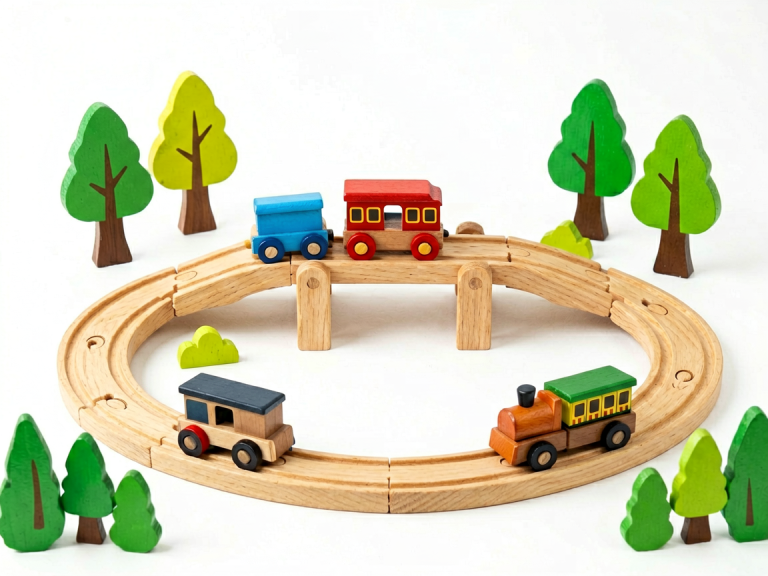
Wooden unit blocks, large Legos, or magnetic tiles are excellent for imaginative construction. Three-year-olds will build towers, bridges, and houses. They may start to create simple stories around their structures. Block play develops spatial reasoning, early math concepts (balance, symmetry), and collaboration if played with a peer.
Cognitive and Pre-Academic Play: Learning Through Playful Challenges
While formal academics are not appropriate for three-year-olds, play can naturally introduce basic concepts like colors, shapes, numbers, and letters. The key is to embed learning in enjoyable, non-pressured activities.
Simple Sorting and Matching Games
Provide a set of colored buttons or plastic bears and ask your child to sort them by color. For a harder challenge, sort by size or shape. You can also play matching games with picture cards (two of each) placed face down on the table. Start with just four to six pairs, and gradually increase. This builds memory, attention, and categorization skills.
Puzzles with Large Knobs
Jigsaw puzzles with four to twelve large pieces are perfect for three-year-olds. Wooden puzzles with a picture base underneath are especially helpful. As children work on puzzles, they develop spatial awareness, patience, and the ability to recognize patterns. Sit with your child and offer gentle prompts: “Which piece looks like it would go in this corner?”
Counting and Number Games
Incorporate counting into everyday play. Count the steps as you walk up the stairs, count the crackers on a plate, or count the number of blocks in a tower. Use finger plays like “Five Little Monkeys Jumping on the Bed.” For a hands-on activity, provide a set of number cards (1 to 5) and have your child place the correct number of objects (e.g., pom-poms) next to each card.
Social-Emotional Play: Nurturing Relationships and Self-Regulation
Three-year-olds are beginning to navigate friendships, sharing, and emotional ups and downs. Play can be a powerful tool for learning to manage feelings and interact positively with others.
Group Games with Simple Rules
Games like “Duck, Duck, Goose” or “Ring Around the Rosie” teach turn-taking, waiting, and following simple rules. These games are best played with a small group of children, but a parent can easily substitute. The laughter and physical closeness build connection.
Calm-Down Kits and Sensory Bottles
Create a small box of calming items: a soft stuffed animal, a glitter jar, a small book about feelings, or a fidget toy. When a child becomes upset, invite them to use the calm-down kit. Practice using it together during a neutral time so that it becomes a familiar tool. This teaches emotional self-regulation in a positive, non-punitive way.
Parallel and Cooperative Play Opportunities
Set up activities that naturally encourage interaction without forcing it. For example, put out two sets of play dough tools so that two children can work side by side. Or provide a large sheet of paper for collaborative painting. As children play near each other, they will gradually begin to share materials and exchange ideas. Praise cooperative moments: “You gave her the blue crayon—that was very kind.”
Practical Tips for Implementing Play Activities with 3-Year-Olds
To make play activities successful, keep these guidelines in mind:
- Follow the child’s lead. If your child is not interested in an activity, do not force it. Offer choices and let them decide.
- Keep activities short. A 10- to 15-minute session is often enough for a three-year-old’s attention span. End the activity before the child becomes frustrated or bored.
- Prepare the environment. Set up materials in an accessible, safe way. Use a low table or floor space. Cover surfaces if needed.
- Supervise but do not hover. Allow independent exploration but stay close enough to ensure safety, especially with small objects or water.
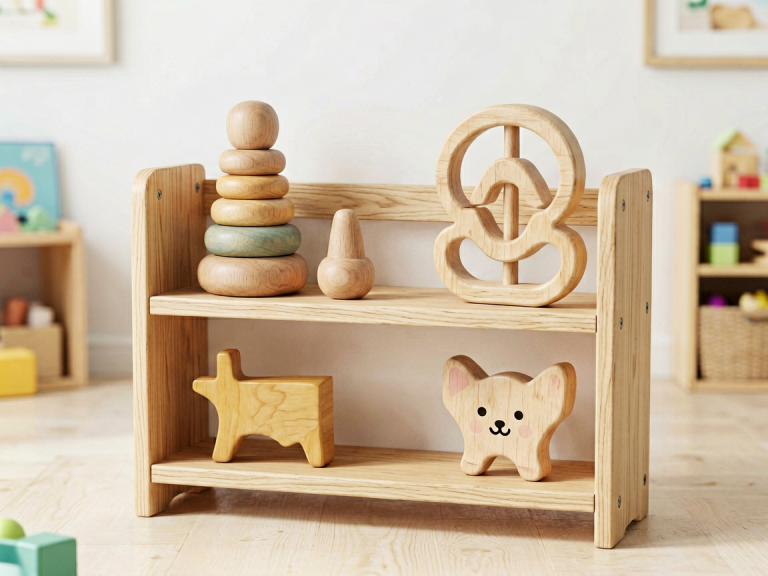
- Rotate toys and materials. Having too many choices can overwhelm a three-year-old. Rotate a selection of toys weekly to maintain novelty and interest.
- Focus on process, not product. Avoid correcting or directing the child’s creative efforts. Praise the effort: “You worked really hard on that tower!”
Conclusion
Play activities for 3-year-olds are not just about keeping children busy; they are the building blocks of lifelong learning, health, and happiness. By offering a balanced mix of sensory, gross motor, fine motor, creative, cognitive, and social-emotional experiences, adults can support the whole child. The most important ingredient is joyful engagement—when children and adults play together, they build strong bonds and create lasting memories. So put away the screens, pull out the play dough, and let the learning unfold naturally through play. After all, for a three-year-old, play is serious work, and work is the best kind of fun.