The Power of Play: How Educational Fine Motor Toys Shape Young Minds
In an age dominated by digital screens and passive entertainment, a quiet revolution is taking place on living room floors, in preschool classrooms, and on play mats around the world. It involves small hands grasping, twisting, stacking, and threading. These seemingly simple actions are powered by a category of playthings that parents and educators are increasingly recognizing as essential: educational fine motor toys. These are not just toys; they are tools that build the foundational skills children need for writing, dressing, self-feeding, and countless other tasks that require coordination and control. From the first time a baby clutches a rattle to the moment a kindergartener learns to tie their shoes, fine motor development is a critical component of early childhood growth. This article explores the profound impact of educational fine motor toys, delves into the science behind the skills they cultivate, and offers practical guidance for selecting and integrating them into a child’s daily life. Understanding the power of these toys can transform playtime into a powerful engine for cognitive, physical, and emotional development.
What Are Fine Motor Skills and Why Do They Matter?
Fine motor skills refer to the coordinated movements of small muscles in the hands, fingers, and wrists, often in conjunction with the eyes. These skills are not innately perfect; they develop gradually through practice and repetition. Think of a baby learning to grasp a block, a toddler using a spoon, or a preschooler cutting along a dotted line. Each of these tasks involves precise control, hand-eye coordination, and bilateral coordination (using both sides of the body together). The development of these skills is a complex neurological process that strengthens neural pathways in the brain. According to occupational therapists, fine motor proficiency is a strong predictor of later academic success, particularly in writing and mathematics. Children who struggle with fine motor tasks often experience frustration in school, leading to avoidance of activities like drawing or cutting. Educational fine motor toys provide a low-pressure, joyful context for children to practice these movements repeatedly. By engaging with toys specifically designed to challenge and refine these small muscle groups, children build the dexterity, strength, and endurance necessary for everyday tasks—from buttoning a coat to holding a pencil correctly. Beyond the physical benefits, mastering these skills boosts a child’s confidence and independence, creating a virtuous cycle of motivation and achievement.
The Unique Benefits of Educational Fine Motor Toys
While any toy that requires manipulation can support fine motor development, educational fine motor toys are intentionally designed to target specific skills while also promoting cognitive growth. One of their primary benefits is the enhancement of hand-eye coordination. When a child threads a wooden bead onto a string or fits a puzzle piece into its slot, their eyes guide their hands with increasing precision. This coordination is vital not only for academic tasks like reading (where eyes track letters) but also for sports, driving, and everyday activities. Another critical benefit is the development of pincer grasp and strength. Toys like play dough, clothespin games, and small building blocks require children to use the thumb and forefinger in opposition—the very same grip used for holding a pencil. Strengthening these muscles early on lays the groundwork for legible handwriting without fatigue.
Cognitive development is also deeply intertwined with fine motor play. Many educational fine motor toys incorporate problem-solving elements. For instance, a shape sorter requires a child to recognize shapes, rotate them mentally, and match them to the correct hole. This process stimulates logical thinking, spatial reasoning, and persistence. Similarly, lacing cards and bead sequencing activities challenge a child’s working memory and planning abilities. They must remember a pattern or sequence while performing the physical task. This dual demand on cognition and motor control is precisely what makes these toys so effective. Furthermore, such toys often encourage bilateral coordination, where both hands work together in different roles—one holding the object steady, the other manipulating it. This skill is essential for tasks like cutting with scissors, opening a jar, or playing musical instruments. Social-emotional growth is another overlooked benefit. When a child successfully completes a challenging buttoning board or constructs a complex Lego model, they experience a sense of accomplishment that builds resilience and self-esteem. These small victories teach delayed gratification and the value of effort, qualities that extend far beyond the playroom.
Top Types of Educational Fine Motor Toys for Different Ages
Choosing the right toy for a child’s developmental stage is crucial. For infants (0–12 months), toys should focus on grasping, reaching, and sensory exploration. Soft graspable rattles, fabric crinkle books with tags, and simple stacking rings are excellent. These toys encourage babies to reach, grasp, and bring objects to the mouth—an early form of sensory integration. For toddlers (1–3 years), toys that challenge the pincer grasp and hand strength become more appropriate. Wooden shape sorters, large peg puzzles with knobs, and jumbo crayons for scribbling provide valuable practice. Play dough with simple tools (rolling pins, cookie cutters) is a powerhouse for fine motor work; pressing, rolling, and pinching dough build hand muscles while allowing creative expression. Threading beads with large holes and sturdy strings is another classic, as it develops bilateral coordination and patience.
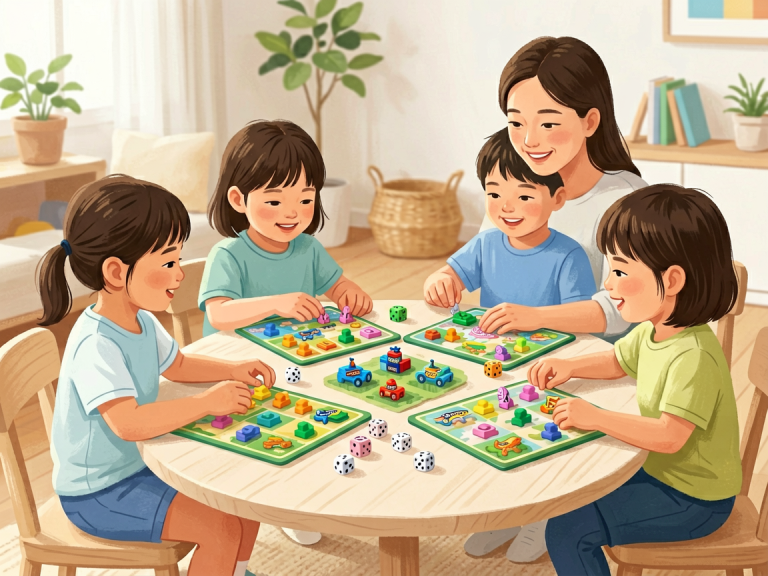
For preschoolers (3–5 years), the focus shifts to more refined control and tool use. Scissor skills can be developed with safety scissors and cutting strips of paper or play dough. Lacing cards, buttoning frames, and zippering toys mimic real-life dressing skills. Building sets like Duplo or large Lego require precise alignment and pressure. Tweezers or tongs used to pick up small objects (like pom-poms or sorting bears) are occupational-therapist-approved exercises for strengthening the tripod grip. For school-aged children (5+ years), more complex toys like small Lego sets, model kits, knitting looms, and board games that involve picking up tiny pieces (e.g., Operation) continue to challenge fine motor control. Art projects involving beads, clay sculpting, and detailed drawing also serve as excellent practice. The key is to match the toy’s difficulty to the child’s current ability—too easy becomes boring, too hard leads to frustration. A good educational fine motor toy offers adjustable difficulty or multiple ways to play, allowing it to grow with the child.
How to Choose the Right Fine Motor Toys for Your Child
Selecting high-quality educational fine motor toys requires more than just picking something off a store shelf. First and foremost, prioritize safety. For children under three, avoid toys with small parts that pose a choking hazard. Check for non-toxic materials, smooth edges, and durable construction. Wooden toys often offer a satisfying weight and texture, while high-grade plastics should be BPA-free. Next, consider the toy’s open-endedness. A toy that can be used in many ways—like a set of wooden blocks, a tub of play dough, or a collection of connecting disks—encourages creativity and prolonged engagement. Open-ended toys allow children to set their own challenges, from building a tower to sorting by color to creating a pretend scene. In contrast, a battery-operated toy that only performs one function provides limited fine motor practice.
Another critical factor is developmental appropriateness. Observe your child: Do they struggle with grasping small objects? Are they frustrated by buttons? Choose a toy that targets that specific weakness but offers a gentle challenge. Many Montessori-inspired materials are designed with this in mind, isolating one skill at a time (e.g., a single button frame) so the child can master it through repetition. Additionally, consider the toy’s potential for parent-child interaction. While independent play is valuable, guided play can enhance learning. A parent who sits alongside and narrates the child’s actions (“You are pushing the red peg into the hole—great aim!”) provides language development and emotional support. Finally, don’t overlook everyday items as fine motor tools. Kitchen tongs, clothespins, a spray bottle, or even peeling a banana can be transformed into fine motor exercises. The best educational fine motor toys often imitate real-life tools, giving children practical skills along with playtime fun. Remember that variety is key; rotating toys keeps interest high and ensures a child develops a wide range of movements, from twisting and turning to pinching and squeezing.
Integrating Fine Motor Play into Daily Routines
The beauty of educational fine motor toys is that they do not require a separate “learning time” to be effective. With a little intentionality, parents and educators can weave fine motor practice into the fabric of everyday routines. For example, mealtime offers countless opportunities. Let a toddler scoop yogurt with a small spoon, spread cream cheese on a cracker with a butter knife, or use tongs to serve salad. Snack time can involve peeling a banana or opening a container of berries. These tasks demand hand strength and coordination while teaching independence. Similarly, dressing routines can be turned into a game. Instead of rushing to button your child’s shirt, invite them to try the “magic button challenge” with a large-buttoned shirt or a zipper practice board. Give them extra time in the morning to master these skills, praising effort over speed.
Morning and bedtime routines also lend themselves to fine motor work. Brushing teeth requires a firm grasp and controlled movements; using a toothbrush with a thick, ergonomic handle can help. Putting on pajamas with snaps or tying a robe belt provides additional practice. Even bath time can be educational: squeezing bath toys to make them squirt, pouring water from one cup to another, or using a pipette to transfer colored water all develop hand muscles. For parents of school-aged children, homework breaks can include a quick five-minute activity like squeezing a stress ball, doing finger stretches, or using tweezers to pick up small craft items. These micro-sessions prevent hand fatigue and improve focus. The key is to make these activities fun and non-coercive. Children naturally want to do things for themselves; when adults provide the right tools and a supportive environment, fine motor development occurs organically. By embedding these opportunities into daily life, children practice skills dozens of times each day without ever feeling like they are being drilled.
Conclusion
Educational fine motor toys are far more than trivial diversions. They are the building blocks of independence, the sculptors of neural pathways, and the quiet partners in a child’s journey toward self-sufficiency. From the first clumsy swipe at a rattle to the confident snap of a buckle, each small movement refines a skill that will be used for a lifetime. In a world that often prizes academic achievement over foundational development, these toys remind us that learning happens through the hands as much as through the mind. They teach patience, persistence, and the joy of mastering a challenge. For parents and educators, the task is not to overwhelm children with flashcards or digital apps, but to curate a rich environment of purposeful play. By choosing toys that challenge fine motor skills, by incorporating everyday tasks into learning, and by celebrating every tiny triumph, we empower children to grip the world with confidence—both literally and figuratively. The next time you see a child deeply focused on threading a bead or fitting a puzzle piece, remember: you are witnessing the quiet, powerful work of growing a capable human being. So let them play, let them try, and let them build the fine motor foundation that will support every future endeavor.