The Power of Play: How Learning Through Play Transforms a 7-Year-Olds World
At age seven, children stand at a unique crossroads. They have outgrown the simple imitative games of toddlerhood, yet they are not quite ready for the rigid structure of formal academic instruction. This is precisely the age when learning through play becomes not just a delightful pastime, but a critical developmental tool. For a seven-year-old, play is not the opposite of learning; it *is* learning. It is the laboratory where they experiment with language, test social boundaries, wrestle with mathematical concepts, and build the emotional resilience that will carry them through life. This article explores why play-based learning is essential for seven-year-olds and offers practical insights for parents and educators.
Cognitive Development: Building Brains One Game at a Time
The brain of a seven-year-old is undergoing rapid neural pruning and strengthening. Play provides the perfect environment for this cognitive rewiring. When a child engages in construction play—building a castle with LEGOs or designing a marble run—they are not merely stacking blocks. They are engaging in spatial reasoning, problem-solving, and cause-and-effect analysis. A seven-year-old who tries to build a bridge that can hold a toy car learns to adjust the design when it collapses. This trial-and-error process is far more powerful than a worksheet because it is self-motivated and emotionally salient.
Board games offer another rich cognitive playground. A simple game like *Monopoly Junior* teaches counting, addition, and the concept of resource management. Games that require strategy, such as *Checkers* or *Connect Four*, develop foresight and planning. Seven-year-olds who play these games regularly show improved executive function—the ability to inhibit impulses, switch between tasks, and hold information in working memory. Moreover, language games like *I Spy* or rhyming games expand vocabulary and phonemic awareness, which are foundational for reading fluency. Unlike direct instruction, play embeds these skills in a context that makes sense to the child: they learn to count because they want to know how many spaces to move, not because an adult told them to memorize numbers.
Social and Emotional Growth: The Hidden Curriculum of Play
Seven is the age of intense peer relationships. Friendships become more complex, and the playground becomes a stage for navigating emotions. Imaginative play—often dismissed as "just pretend"—is actually a sophisticated emotional rehearsal. When two seven-year-olds create an imaginary restaurant, they must negotiate roles, share ideas, and resolve conflicts over who gets to be the chef or the waiter. They learn to read facial expressions, take turns, and compromise. These are skills that cannot be taught through a lecture; they must be lived.
Outdoor group games such as tag, hide-and-seek, or capture the flag teach self-regulation. Running, hiding, and cooperating require children to manage their own excitement, wait their turn, and handle the disappointment of being caught. For a seven-year-old, losing a game can be a devastating blow, but repeated exposure to low-stakes competition within a playful context builds emotional resilience. They learn that losing is not the end of the world, and that they can try again tomorrow. This is the foundation of a growth mindset.
Furthermore, role-playing games where children act out family scenes or superhero adventures allow them to process real-life anxieties. A child who is nervous about a new baby sibling might repeatedly play "mommy and baby," taking control of the narrative and working through their feelings. This symbolic play is a safe space for emotional regulation, far more effective than a verbal explanation.
Types of Play That Best Serve 7-Year-Olds
Not all play is equally beneficial. To maximize learning, adults should encourage a variety of play types that align with a seven-year-old's developmental stage.
1. Constructive Play with Open-Ended Materials
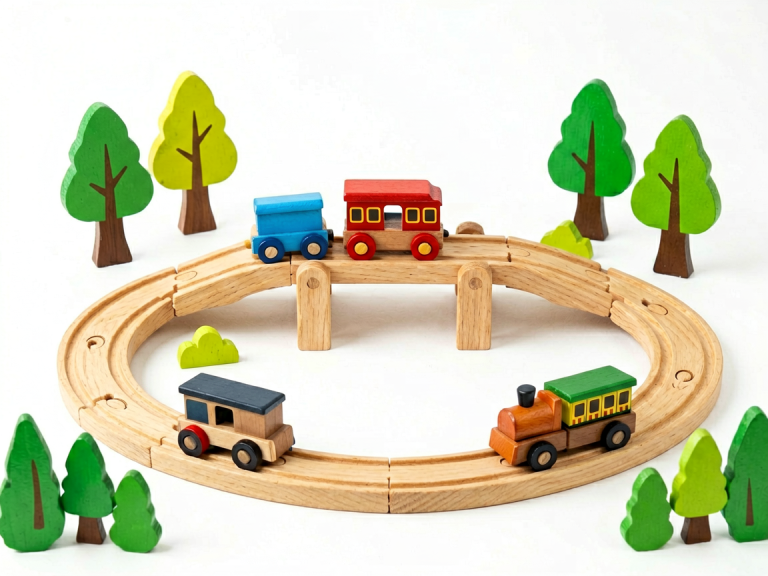
Materials like blocks, magnetic tiles, craft supplies, and recycled boxes allow for limitless creativity. Unlike a pre-made toy that does one thing, open-ended materials require the child to invent the purpose. This fosters divergent thinking—the ability to generate multiple solutions to a problem.
2. Physical and Rough-and-Tumble Play
Seven-year-olds have abundant energy. Structured physical play—like obstacle courses, dance games, or beginner sports—develops gross motor skills, coordination, and body awareness. Importantly, rough-and-tumble play (wrestling, chasing) teaches social boundaries. Children learn how much force is acceptable, when to stop, and how to read non-verbal cues. Research shows that children who engage in rough play have better self-control.
3. Games with Rules
Card games, dice games, and simple sports with defined rules are perfect for this age. They teach fairness, turn-taking, and the ability to follow instructions. Importantly, they also teach cheating and its consequences—a social lesson that is best learned in play rather than in real-life scenarios.
4. Pretend and Socio-Dramatic Play
Encourage children to create scenarios: a spaceship, a zoo, a school. Provide costumes and props, but let the children lead. This type of play develops narrative skills, empathy, and abstract thinking. A child who plays "teacher" has to understand what a teacher does, putting them in another's shoes.
5. Digital Play (with Limits)
Digital games can be educational, but they should be interactive and creative rather than passive. Apps that allow game design, coding puzzles (like ScratchJr), or collaborative building (like *Minecraft* in creative mode) can extend play-based learning. However, screen time should be limited and always supplemented by physical, social play.
How Parents and Educators Can Champion Play-Based Learning
Adults often feel pressure to push academics at the expense of play, especially as standardized testing looms. However, the most effective learning environments blend play with intentional guidance. Here are practical strategies:
For Parents at Home:
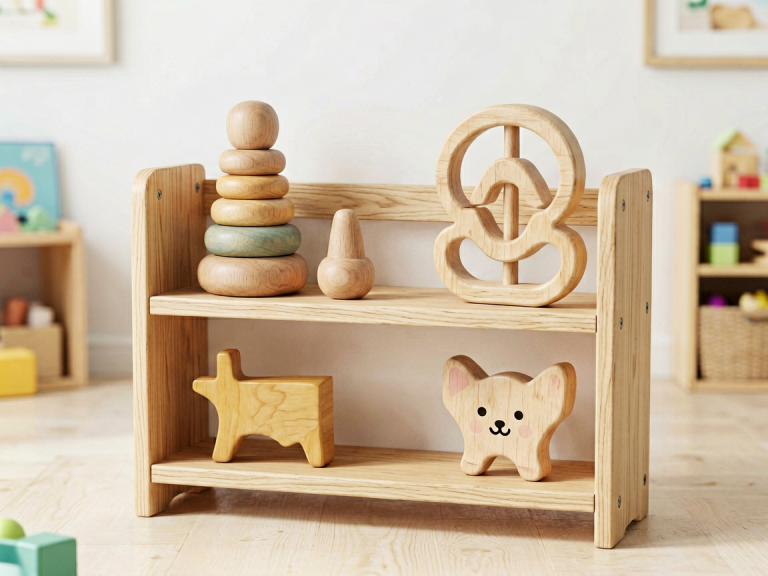
- Create a play-rich environment. Keep a rotation of open-ended toys (blocks, art supplies, costumes) rather than overwhelming the child with plastic gadgets. Set up a low shelf where materials are accessible.
- Join the play without taking over. Follow the child's lead. Ask open-ended questions: "What does your dragon eat?" or "How can we make this bridge stronger?" This scaffolds learning without robbing the child of agency.
- Resist the urge to "fix" play. If a child builds a wobbly tower, let it fall. The lesson of physics and resilience is more valuable than a stable structure made by an adult.
- Prioritize unstructured time. Overscheduled children lose the opportunity for deep, self-directed play. Protect an hour each day for free play.
For Educators in Classrooms:
- Integrate play into the curriculum. A math lesson on fractions can be delivered through a pizza-making game. A writing prompt can emerge from a pretend travel agency. Project-based learning with elements of play engages even reluctant learners.
- Designate play centers. A classroom corner with dress-up clothes, a play kitchen, or blocks allows children to decompress and practice social skills. Many schools have seen reduced behavioral issues after incorporating daily free play time.
- Use play for assessment. Instead of a quiz, observe how a child solves a puzzle with a partner. This gives richer data about problem-solving and collaboration than any paper test.
- Advocate for recess. Recess is not a break from learning; it is a part of learning. Pushing for longer, more frequent recess periods is one of the most evidence-based interventions for improving classroom attention and well-being.
Conclusion: Play is the Work of Childhood
For a seven-year-old, learning through play is not a luxury—it is a biological necessity. Play builds the brain's architecture, forges social bonds, and teaches emotional resilience in ways that direct instruction cannot match. As Maria Montessori wisely noted, "Play is the work of the child." In a world that increasingly demands early academic pressure, we must remember that a child who plays well learns well. By trusting the power of play, we give seven-year-olds the tools they need to become curious, capable, and compassionate learners—not just for the next test, but for life itself. So let them build, imagine, tumble, and negotiate. Their minds are growing with every joyful hour of play.