Toy Budget Planning Checklist: A Parent’s Guide to Smart Spending and Joyful Giving
Introduction: Why a Toy Budget Matters
Every parent knows the scene: a child’s eyes light up in the toy aisle, pleading for the latest action figure, dollhouse, or electronic gadget. The temptation to say “yes” is immense, but unchecked spending on toys can quickly inflate household budgets and lead to clutter, waste, and even reduced appreciation for the toys children already own. A structured toy budget planning checklist is not just a financial tool; it is a framework for intentional parenting, teaching children the value of money, and fostering creativity with fewer, higher-quality items.
This article provides a comprehensive, step-by-step checklist to help families manage toy expenses without sacrificing fun or learning. Each section covers a critical component of the planning process, from initial assessment to post-purchase reflection. Whether you are planning for a birthday, a holiday season, or just everyday treats, this guide will transform impulse buying into thoughtful investment.
Step 1: Assess Your Current Toy Landscape
Before allocating any new budget, take stock of what you already own. Many families discover that their children have far more toys than they actually play with. This step helps avoid duplication and identifies gaps that truly need filling.
1.1 Inventory and Categorize
- Count and list all toys by category: building sets, dolls, vehicles, puzzles, arts and crafts, electronic devices, outdoor equipment, and books.
- Note the age range and whether each toy is still developmentally appropriate.
- Identify favorites that are used regularly versus those that collect dust.
- Check for broken or incomplete items that could be repaired or discarded.
1.2 Evaluate Storage and Rotation
- Measure available storage space to avoid overflow.
- Consider a rotation system: store half the toys away and swap every month. This refreshes interest without buying new ones.
- Define a “one-in, one-out” rule: for every new toy brought home, an old one must be donated, sold, or recycled.
1.3 Reflect on Past Spending Patterns
- Review receipts or bank statements from the last six months to see how much was spent on toys.
- Identify triggers for impulse purchases (e.g., online ads, peer pressure, tantrums in stores).
- Calculate the ratio of money spent to actual playtime. A toy used only twice may not have been a good value.
Step 2: Set a Realistic Toy Budget
A budget is only useful if it reflects your financial reality. Rather than a vague “we’ll try to spend less,” create a specific, documentable plan.
2.1 Determine Total Annual Toy Allocation
- Base it on a percentage of your discretionary income (e.g., 2–5% of after-tax household income minus fixed expenses).
- Segment by occasion: birthdays, holidays, “just because” treats, and educational purchases.
- Include a small buffer (10–15%) for unexpected but reasonable requests (e.g., a child’s school project requiring specific materials).
2.2 Create Sub-Budgets by Child
- Divide by age and interest: younger children may need fewer, simpler toys, while older ones often ask for pricier electronics or hobby supplies.
- Involve older children in the process: let them see the total family toy budget and understand why limits exist.
2.3 Factor in Hidden Costs
- Batteries, accessories, replacement parts: a toy car without batteries is useless.
- Books and media: while not always considered toys, they often fall under the same spending category.
- Import duties or shipping fees if buying from overseas sellers.
Step 3: Build a Toy Wish List – Collaborative and Prioritized
A wish list is the heart of the toy budget planning checklist. It replaces random requests with intentional, researched choices.
3.1 Collect Ideas from Children (with Guidelines)
- Set a maximum number of items (e.g., 10 wishes per child per season).
- Require justification: ask “Why do you want this? How will you play with it?”
- Encourage diversity: one building toy, one creative toy, one outdoor toy, etc.
3.2 Research Quality and Longevity
- Read reviews from other parents and reputable toy testing organizations.
- Check for durability: plastic that cracks easily or electronics that fail after a month are not worth the budget.
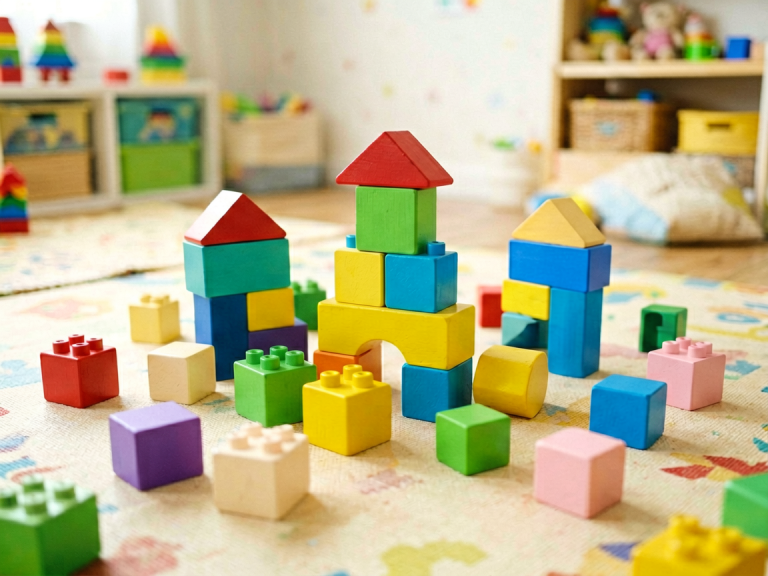
- Look for open-ended toys that can be used in multiple ways (e.g., LEGO bricks, wooden blocks, art supplies) versus single-purpose gadgets.
3.3 Rank by Priority
- “Need” vs. “Want”: educational or developmental toys should rank higher than trendy, short-lived fads.
- Seasonal relevance: outdoor toys for summer, board games for winter.
- Cost per play: estimate how many hours of engagement each toy will provide. A $50 board game played 100 times is far better value than a $20 plastic toy used once.
Step 4: Implement Smart Shopping Strategies
Once the list is prioritized, it’s time to purchase. But smart spending is not just about price tags; it’s about timing, source, and condition.
4.1 Compare Prices Across Channels
- Online marketplaces (Amazon, eBay) often have sales, but check for third-party markup.
- Second-hand options: thrift stores, consignment shops, Facebook Marketplace, and local buy-nothing groups can yield high-quality toys for pennies.
- Consider subscription services for rotating toys (e.g., toy rental libraries) if your child tires of toys quickly.
4.2 Leverage Sales and Coupons
- Plan purchases around major sales events: Black Friday, post-Christmas clearance, Prime Day.
- Sign up for store loyalty programs and email newsletters for exclusive discounts.
- Use cashback apps (Rakuten, Ibotta) to recover a small percentage of spending.
4.3 Avoid Common Pitfalls
- Don’t buy on impulse: institute a 48-hour rule before any non-birthday toy purchase.
- Beware of “collectible” traps: complete sets are expensive and rarely played with in full.
- Avoid toys that require constant new purchases (e.g., blind bags, trading cards with ultra-rare items).
Step 5: Post-Purchase Evaluation and Adjustment
The best budgets are living documents. After each purchase or gift-giving season, review what worked and what didn’t.
5.1 Track Actual Spending
- Record every toy purchase in a simple spreadsheet or app, noting date, item, price, and child.
- Compare to the sub-budget: over in one area? Adjust the next month.
5.2 Observe Play Patterns
- Which new toys are used most? Which are ignored?
- Ask children: “What do you love about this toy? What could be better?”
- Share findings with family members who give gifts to avoid duplicates.
5.3 Update the Checklist Seasonally
- Add new categories as children grow (e.g., sports equipment for a 10-year-old).
- Remove dead weight from the wish list: if a toy was desired last year but never played with, it likely wasn’t a real need.
- Celebrate savings: if you stayed under budget, put the remainder in a “future toy fund” or use it for a family experience (e.g., a zoo trip or museum visit) that also brings joy without clutter.
Conclusion: The Gift of Intention
A toy budget planning checklist is not about denying children happiness. On the contrary, it is a gift of intention—teaching them that resources are finite, that thoughtful choices lead to deeper enjoyment, and that love is not measured by the price tag of a gift. By following these steps, parents can reclaim control over spending, reduce household clutter, and model financial responsibility in a practical, loving way.
Remember: the best toys are not necessarily the most expensive. A cardboard box, a set of colorful scarves, or a nature scavenger hunt can spark more imagination than a battery-operated plastic robot. With a clear checklist, you ensure that every toy entering your home has a purpose, a place, and a reason to be cherished.
Now, take a deep breath, grab a notebook, and begin your toy budget planning checklist today. Your wallet—and your child’s creative play—will thank you.