Unlocking Words and Worlds: The Power of Language Toys for Kids
Introduction
From the first coo to the first complete sentence, a child's journey into language is one of the most miraculous developments in early life. While natural exposure to speech is essential, the tools we offer children can significantly shape how quickly and joyfully they acquire linguistic skills. Among these tools, language toys hold a unique and powerful place. Far from being mere distractions, well-designed language toys transform abstract sounds and symbols into tangible, playful experiences. They invite children to touch, hear, repeat, and experiment—all in the safe, low-stakes environment of play. In an age where screens often dominate, understanding the value of physical, interactive language toys and choosing them wisely can make a profound difference in a child's cognitive, social, and emotional growth. This article explores why language toys matter, what types are most effective, how to select them, and the crucial role adults play in maximizing their potential.
The Neuroscience Behind Play and Language Acquisition
To appreciate language toys, we must first understand how children learn language. The human brain is born with a remarkable plasticity, and the first few years of life represent a critical window for language development. During this period, neural connections are formed at an astonishing rate, largely through sensory stimulation and repeated interactions. Language toys serve as catalysts for this process. When a child picks up a toy that says "A is for apple" and then holds a plastic apple, multiple brain regions are activated simultaneously: the auditory cortex (hearing the sound), the visual cortex (seeing the letter and object), and the motor cortex (touching and manipulating). This multi-sensory integration strengthens neural pathways far more effectively than passive listening or screen watching. Studies in developmental psychology consistently show that hands-on, interactive play enhances vocabulary acquisition, phonemic awareness, and even early reading skills. Language toys, therefore, are not just entertainment—they are neurological scaffolding.
Types of Language Toys and Their Specific Benefits
A vast array of language toys exists, each targeting different aspects of language development. Understanding these categories helps parents and educators make informed choices.
*Alphabet and Phonics Toys*
The classic alphabet blocks, letter puzzles, and electronic phonics boards are foundational. These toys introduce the visual and auditory symbols of the language. High-quality sets often include tactile elements—raised letters, different textures, or sounds that activate when a letter is pressed. For instance, a wooden alphabet puzzle where each piece has a corresponding picture (like a bear for "B") reinforces the connection between grapheme and phoneme. Research indicates that children who frequently manipulate letter forms show earlier readiness for reading. Moreover, these toys encourage sorting, matching, and sequencing, which are pre-literacy skills.
*Storytelling and Narrative Toys*
Puppets, felt boards, and story cubes fall into this category. They invite children to create and retell narratives, expanding vocabulary and grammatical structures. A simple hand puppet can become a character that "speaks" to the child, prompting dialogue and turn-taking. Felt boards with movable characters allow a child to physically arrange a story sequence, which builds comprehension of plot and cause-effect relationships. Story cubes (dice with pictures on each face) are excellent for older preschoolers: they roll the dice and must weave a sentence or story incorporating all the images. This play fosters creativity, sequencing, and oral language fluency.
*Interactive Electronic Language Toys*
Modern technology has produced a range of interactive toys—such as talking books, smart pens, and voice-responsive plush animals. When used in moderation, these can be powerful. A talking book that highlights words as it reads aloud helps children make the connection between spoken and written language. Some smart toys allow children to ask questions and receive contextual responses, simulating conversational practice. However, it is crucial that these toys are used alongside human interaction, not as a replacement. The key advantage of electronic language toys is their ability to provide immediate feedback and repetition without tiring, which can be especially helpful for practicing difficult sounds or vocabulary.
*Vocabulary Building and Themed Sets*
Themed playsets—like a kitchen with labeled food items, a doctor's kit with medical terms, or a farm with animal names and sounds—immerse children in contextual language. When a child pretends to cook a "broccoli" or treat a "patient's fever," they are acquiring specialized vocabulary in a natural, meaningful context. These toys encourage descriptive language ("the red apple," "the big cow") and action verbs ("stir," "pour," "sneeze"). They also promote social language as children engage in cooperative play with peers or adults.
Choosing the Right Language Toys: Age and Quality Considerations
Selecting language toys requires attention to developmental stages. For infants (0–12 months), simple rattles, soft books with high-contrast images, and toys that produce a variety of sounds are ideal. At this stage, babies are absorbing the rhythms and tones of language. Toys that respond to their actions (e.g., a rattle that makes a sound when shaken) teach cause and effect and encourage babbling.
For toddlers (1–3 years), toys that promote labeling and simple phrases are best. Look for board books with sturdy flaps, shape sorters that name shapes and colors, and simple puzzles with words. Repetition is key; toys that offer multiple ways to interact (e.g., a button that says "dog" and a picture of a dog) help cement vocabulary. Also, toys that encourage imitation—such as a toy telephone—promote dialogue practice.
Preschoolers (3–5 years) benefit from more complex toys: letter and word games, storytelling kits, and early reading devices. At this age, language toys should challenge children to combine words into sentences, ask questions, and engage in longer narratives. Avoid toys that are overly directive or that provide only one correct answer; open-ended toys (like a set of story cards) allow for creativity and varied language use.
Quality matters as much as age appropriateness. Durable, non-toxic materials are essential, especially for younger children who explore with their mouths. Well-designed language toys have clear, accurate audio and high-contrast visuals. Beware of toys that are excessively loud or have distracting flashing lights, which can overwhelm rather than educate. The best language toys are those that invite interaction rather than passive consumption.
The Critical Role of Adult Interaction
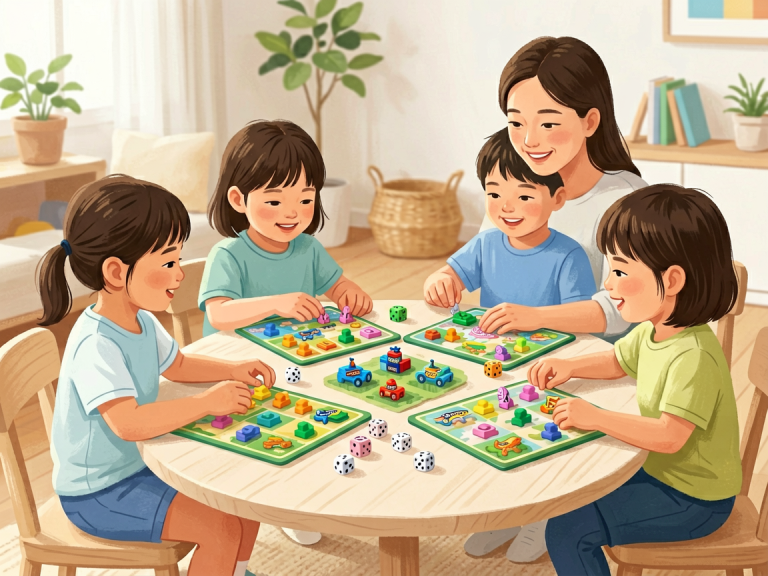
No language toy, however sophisticated, can replace the human element. A toy may produce sounds, but it cannot respond to a child's unique questions, adapt to their emotional state, or engage in the back-and-forth of real conversation. The most effective use of language toys occurs when an adult participates. When a parent sits with a child and says, "Let's find the letter that makes the 'mmm' sound," they are modeling language, scaffolding learning, and providing emotional warmth. The adult can extend the toy's learning by asking open-ended questions: "What do you think the puppy would say next?" "Can you tell me a story about this cat?" These interactions deepen vocabulary, teach narrative structure, and build confidence.
Moreover, adults can observe which language toys capture a child's interest and adapt accordingly. A child who loves animals might benefit from an animal-sound matching game; one who enjoys music might respond to a toy that sings the alphabet. This personalized approach ensures that language learning remains joyful rather than forced. It is also important to rotate toys to maintain novelty and prevent boredom. A basket of a few well-chosen language toys, used regularly with an engaged adult, is far more valuable than a room full of untouched gadgets.
Potential Pitfalls and How to Avoid Them
While language toys offer immense benefits, they are not a magic bullet. Over-reliance on electronic toys can reduce opportunities for face-to-face conversation, which is the richest source of language input. A child may learn to press buttons but struggle with turn-taking in real dialogue. Additionally, some toys market themselves as "educational" but are essentially passive entertainment—they play sounds without requiring any active response from the child. Look for toys that require the child to do something (say a word, press a button in response to a question, etc.) rather than just listen.
Another pitfall is the pressure to accelerate learning. Parents may feel that a toddler should know the alphabet or be able to read simple words. However, language development is highly individual, and pushing a child too early can lead to frustration and a negative association with language activities. Language toys should be used as tools for exploration, not as benchmarks. If a child shows no interest in a particular toy, set it aside and try again later. The goal is to foster a love of language, not to achieve milestones prematurely.
Conclusion: Play as the Gateway to Lifelong Language
Language is the foundation of human connection, thought, and expression. By choosing thoughtful, interactive language toys and using them in partnership with children, we offer them a rich landscape in which to discover words, sounds, and stories. These toys are not simply "learning aids"—they are gateways to imagination, empathy, and critical thinking. When a child builds a tower of alphabet blocks, names all the animals on a farm playset, or creates a wild tale with puppets, they are not just playing. They are wiring their brains for communication, building the neural architecture that will support reading, writing, and reasoning for the rest of their lives. In a world that often prizes speed and efficiency, language toys remind us that the most profound learning happens slowly, joyfully, and in the context of play. So let the children rattle, stack, pretend, and talk—and let us, as parents and educators, provide the tools that make their voices heard.