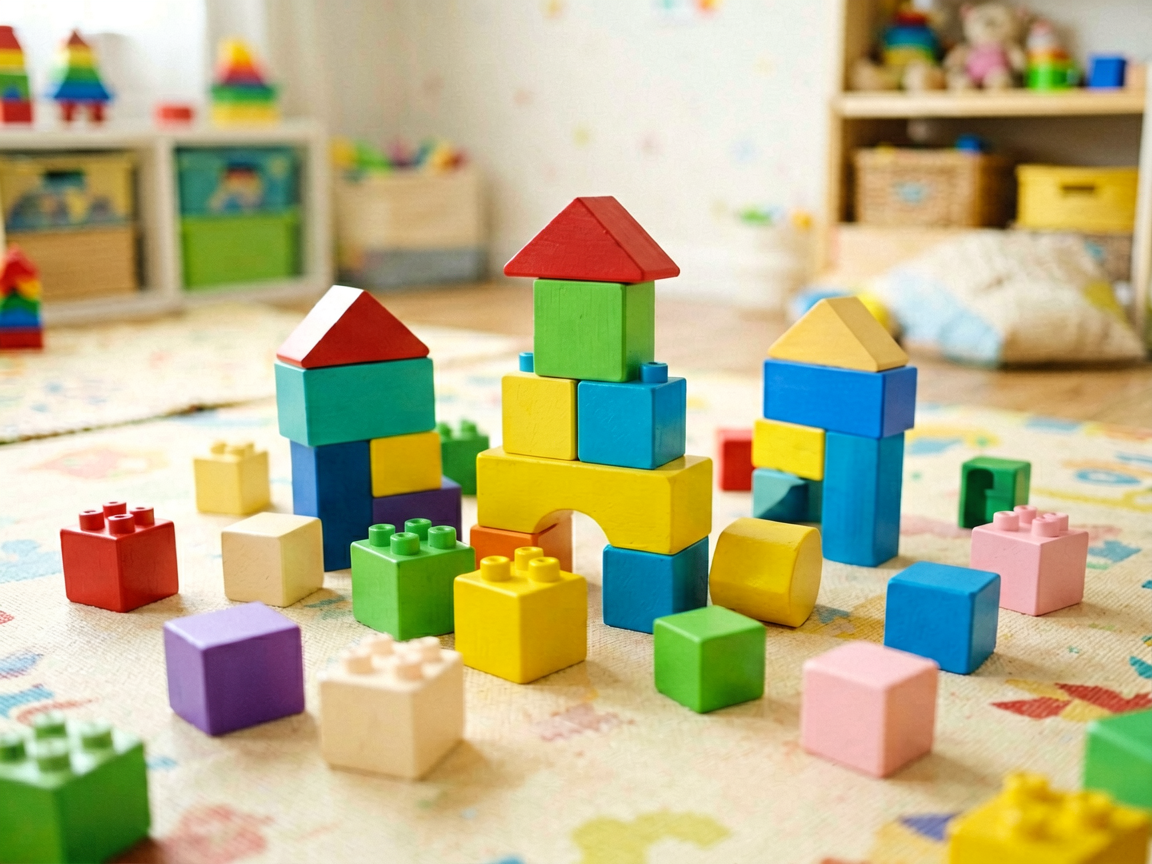
Top Science Kits for Babies: Sparking Early Curiosity Through Safe Sensory Exploration
Babies are born scientists. From the moment they open their eyes, they observe, touch, taste, and listen—absorbing every detail of their environment.
Babies are born scientists. From the moment they open their eyes, they observe, touch, taste, and listen—absorbing every detail of their environment.
When we think of LEGO bricks, we often picture the classic tiny plastic rectangles that can build castles, spaceships, and entire cities.
From the moment they enter the world, babies are natural movers. Their earliest wiggles, kicks, and stretches are not random
Sensory play is often associated with toddlers and young children, who squish mud, shake rattles, and finger-paint with abandon.
The idea of teaching a baby to read may sound ambitious, even premature. After all, most infants are still mastering the art of grasping a rattle
Sensory play is often associated with toddlers and preschoolers—children squishing playdough, digging in sand tables, or exploring textured bins.
The fifth year of a child’s life is a remarkable developmental bridge. At five, children are no longer toddlers but not yet fully independent
The second year of life is a remarkable window for language acquisition. At age two, children typically experience a “vocabulary explosion,” moving
When we hear the term "sensory play," our minds often drift to toddlers squishing finger paint or preschoolers digging through bins of rice.
Language development during the toddler years is nothing short of miraculous. At age two, children typically experience an explosion of vocabulary and