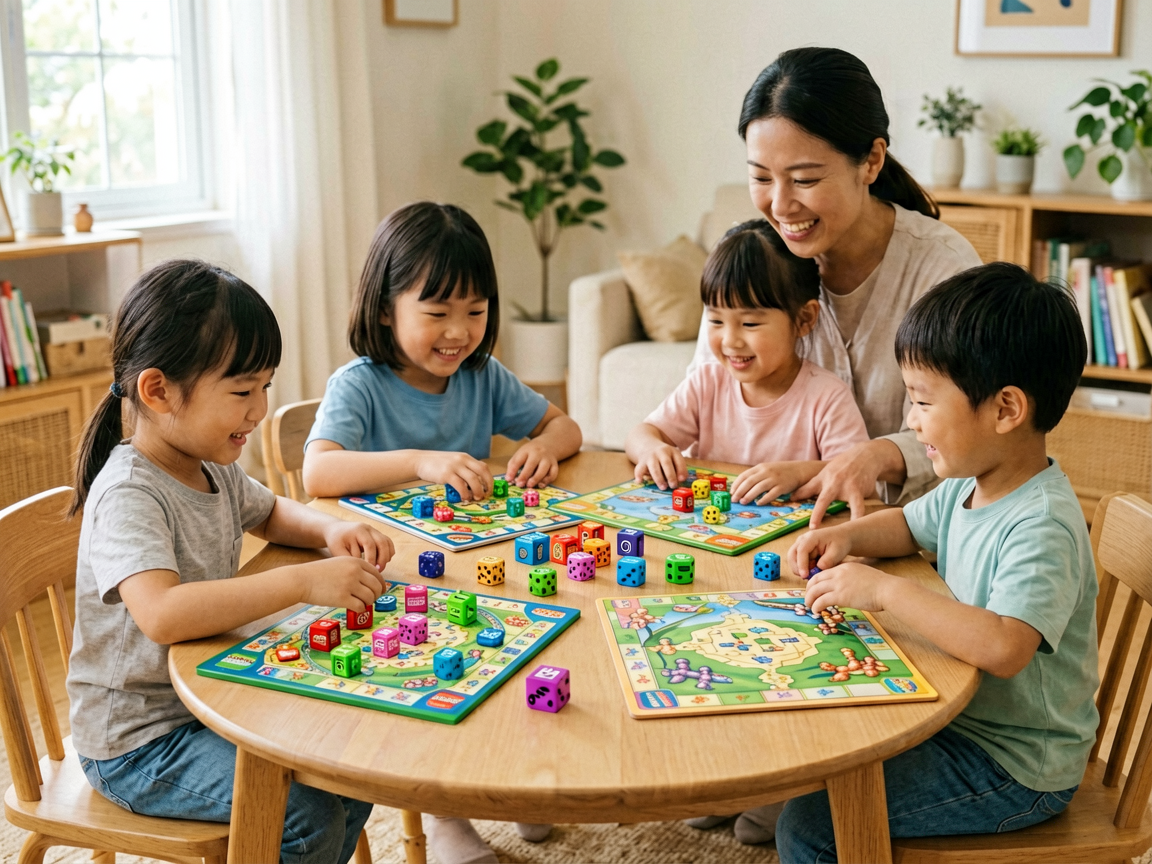
Engaging the Senses: Creative Sensory Play Activities for Nine-Year-Olds
Sensory play is often associated with toddlers and preschoolers—piles of kinetic sand, finger painting, and water tables are staples of early childhood.
Sensory play is often associated with toddlers and preschoolers—piles of kinetic sand, finger painting, and water tables are staples of early childhood.
At the age of four, a child is a whirlwind of questions, boundless energy, and an insatiable hunger for understanding how the world works.
In the soft morning light of a typical kindergarten classroom, a four-year-old named Ethan sits cross-legged on a rug
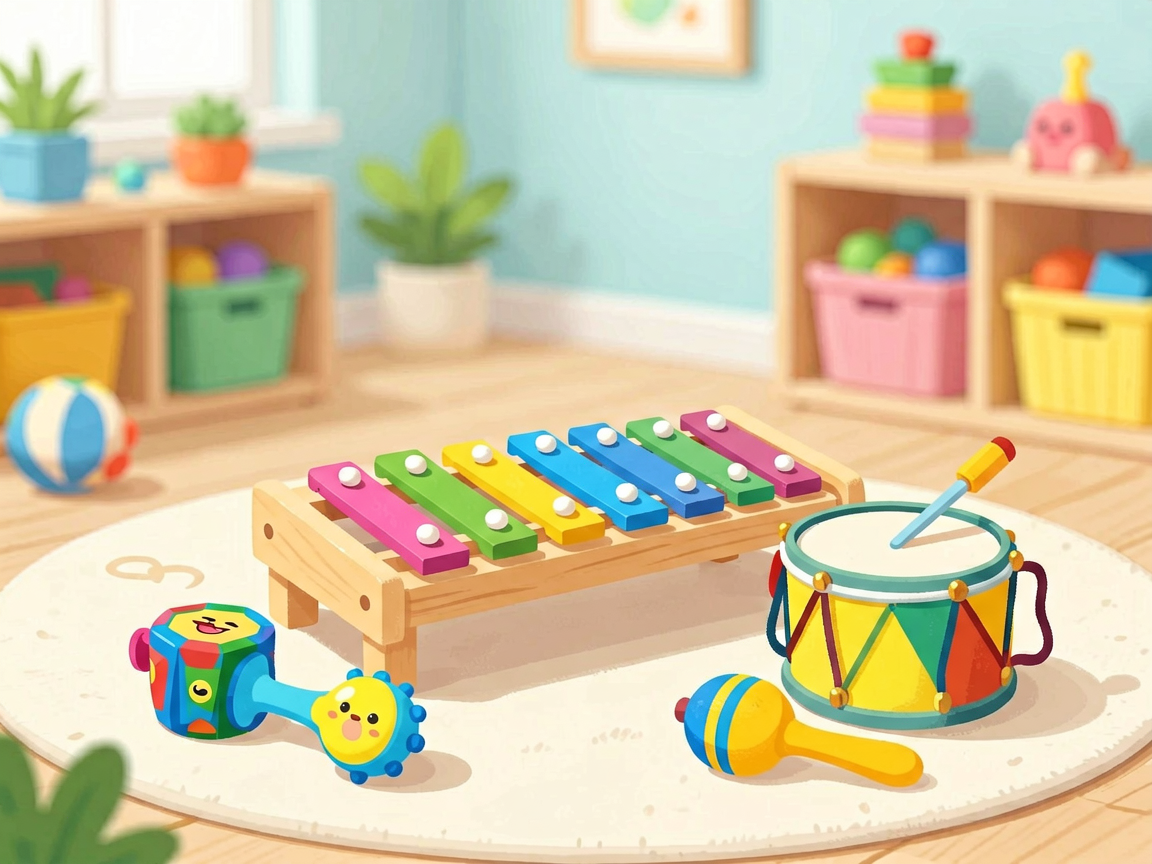
When we hear the term “sensory play,” we often picture toddlers squishing playdough or babies shaking rattles.
As your child turns four, the world of play expands dramatically. No longer a toddler but not yet a full-fledged preschooler in the structured sense
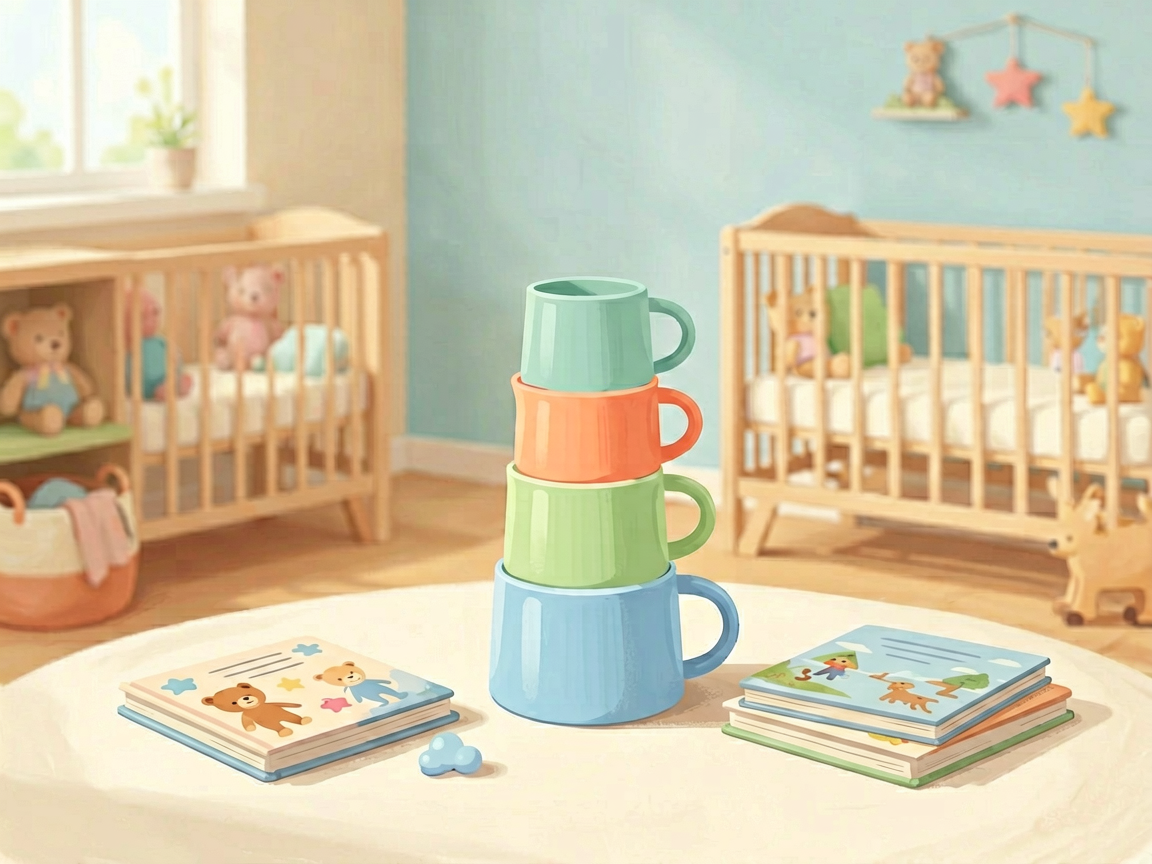
The first year of life is a period of astonishing brain development. Every coo, grasp, and gaze is a building block for future learning.
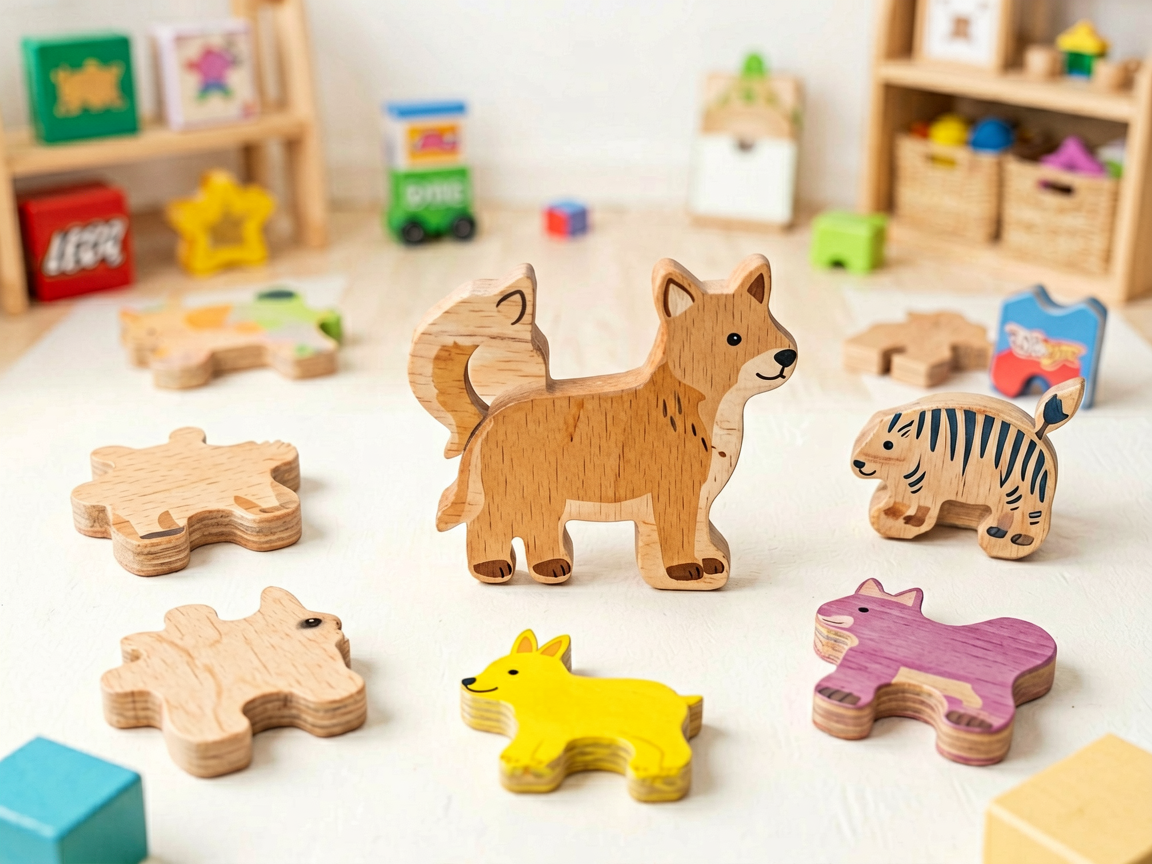
When it comes to early childhood development, few toys are as timeless, versatile, and beneficial as wooden blocks.
Sensory play is often associated with toddlers and preschoolers, but its benefits extend far beyond the early years.
At the age of two, children are on the cusp of a linguistic explosion. Their vocabularies expand from a handful of words to several hundred
From the moment a baby’s tiny fingers close around a colorful cube, a universe of learning begins.