The Power of Patterns: How Early Learning Toys Shape Infant Cognitive Development
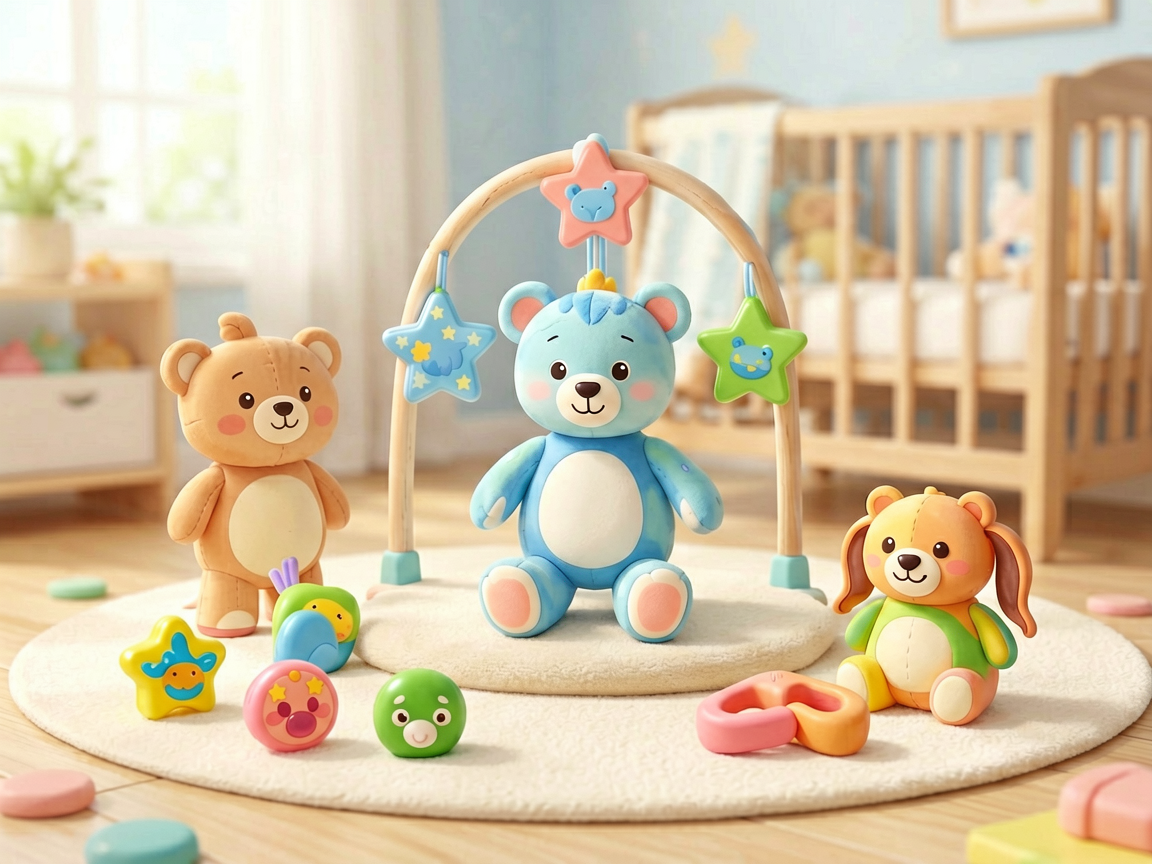
From the moment a baby opens their eyes to the world, they are surrounded by a rich tapestry of shapes, colors, and movements.
From the moment a baby opens their eyes to the world, they are surrounded by a rich tapestry of shapes, colors, and movements.
Sensory play is often associated with toddlers and preschoolers, but its benefits extend far beyond early childhood.
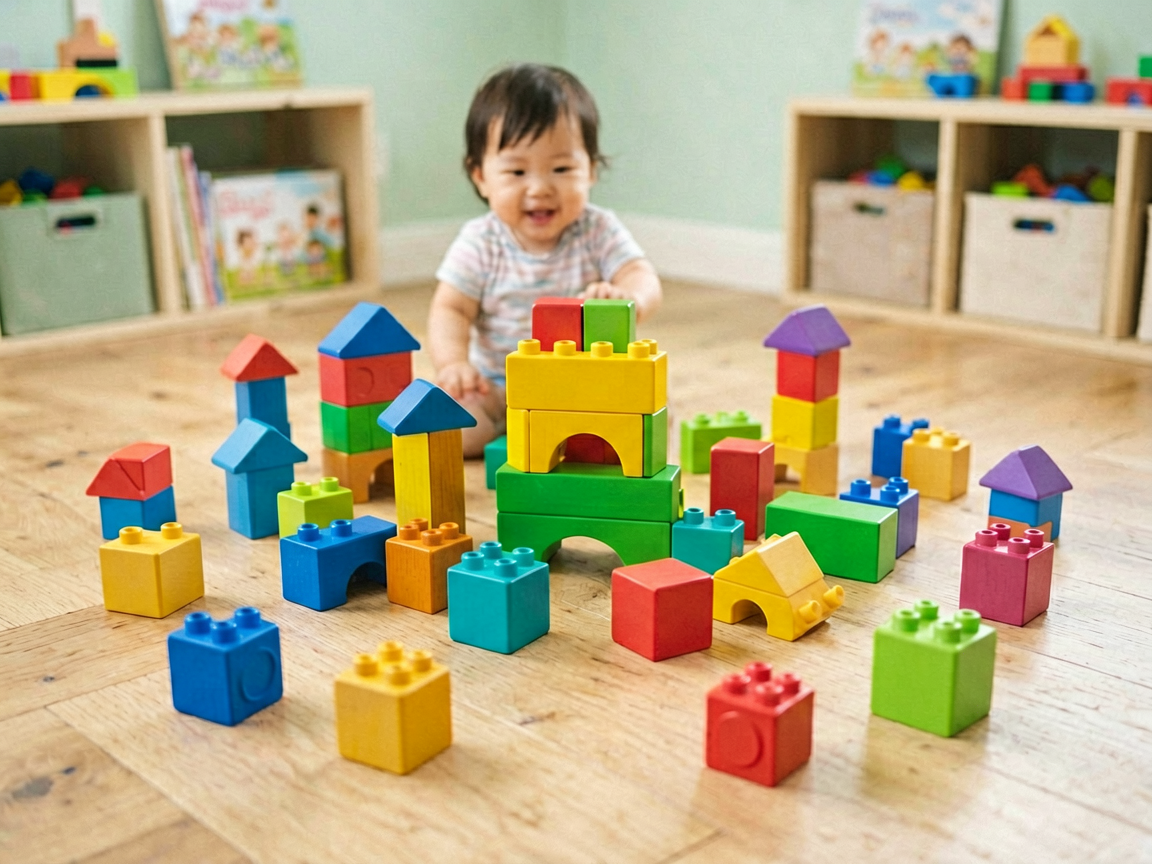
When we think of construction toys, images of tiny plastic bricks, wooden blocks, and elaborate engineering kits often come to mind.
At age seven, boys are often bursting with curiosity, boundless energy, and a natural inclination to take things apart, ask endless questions
In the modern home, the television often hums in the background—a constant source of flickering lights, rapid scene changes, and synthetic sounds.
In the first year of life, a baby’s brain is a sponge for sound. Long before they speak their first word, infants are busy cataloging the phonemes
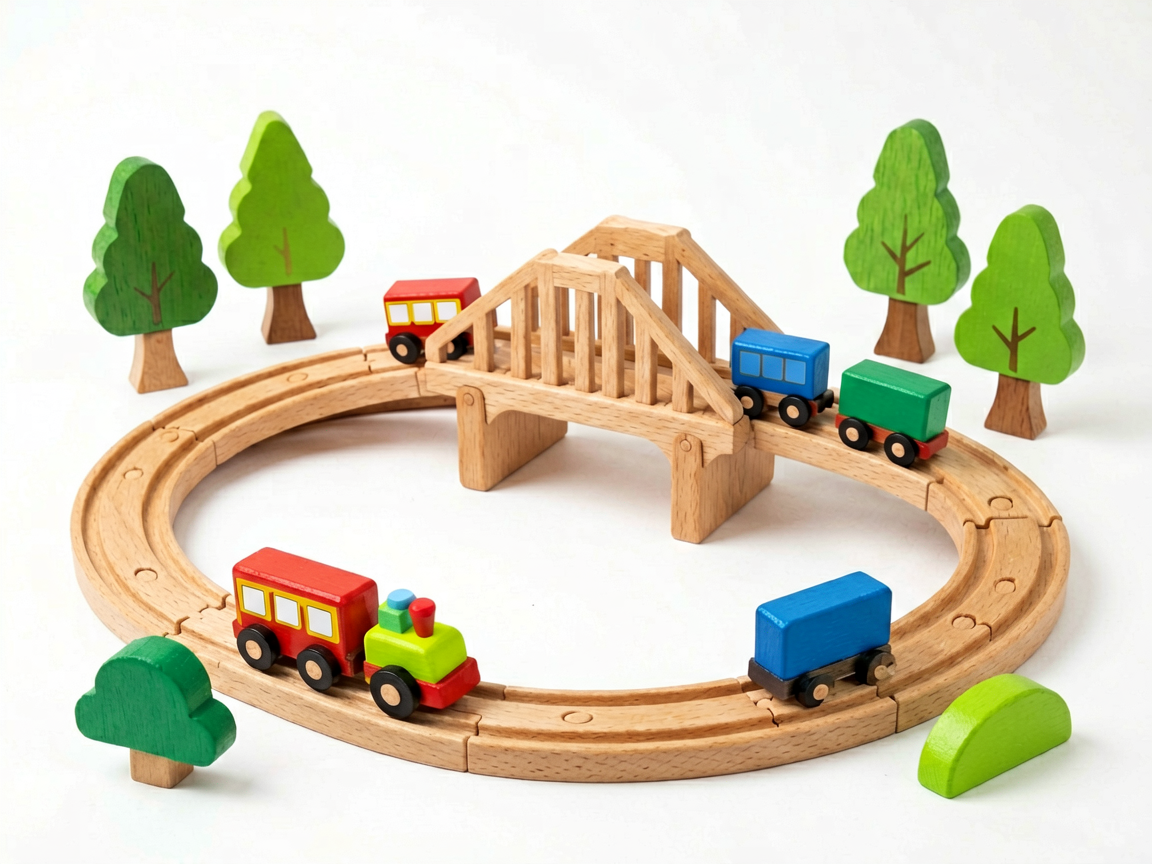
When we think of train sets, we often picture elaborate wooden railways winding through miniature villages, complete with bridges, tunnels
Long before a baby speaks their first word or picks up a book, the foundation for reading is quietly being laid.
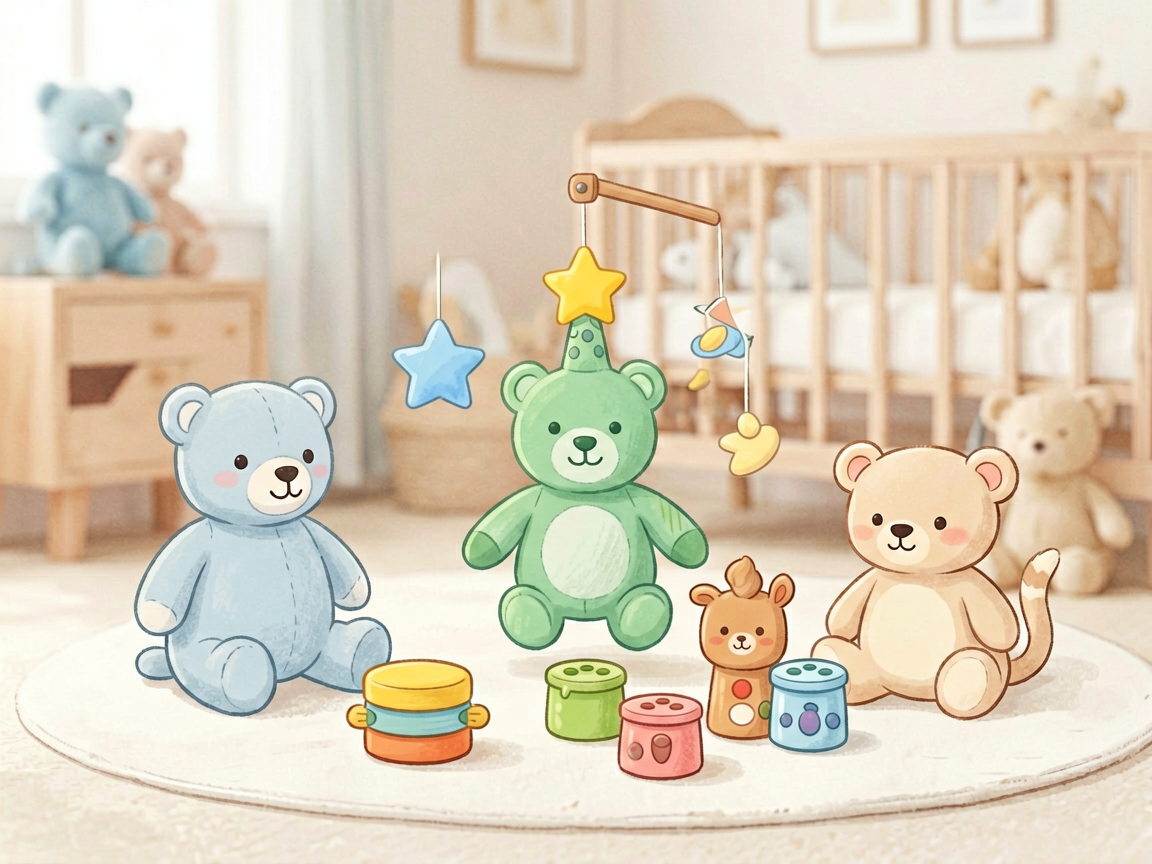
Choosing the right toy for a baby is never just about entertainment. It is about fostering cognitive growth, fine-tuning motor skills
Language development during the toddler years—roughly between ages one and three—is one of the most remarkable and rapid transformations in human life.