Endless Fun: Creative Indoor Play Activities to Keep Kids Engaged at Home
Introduction
In today’s fast-paced world, where digital devices often dominate children’s attention, finding meaningful and engaging indoor play activities at home has become more important than ever. Whether it’s a rainy afternoon, a snowy winter day, or simply a need for quiet time indoors, having a repertoire of fun, educational, and physically active games can transform a mundane day into an adventure. Indoor play is not just about passing time; it nurtures creativity, builds cognitive skills, strengthens family bonds, and promotes physical health. With a little imagination and a few simple household items, parents can create a stimulating environment that keeps children entertained for hours. This article explores a variety of indoor play activities, categorized by type, to help families make the most of their time together under one roof.
1. Creative Arts and Crafts: Unleashing Imagination
One of the most versatile and rewarding indoor play activities is arts and crafts. All it takes is a table, some basic supplies, and a willingness to get a little messy. Children can create masterpieces using recycled materials like cardboard boxes, egg cartons, and empty toilet paper rolls. For example, building a miniature castle from cereal boxes not only sparks creativity but also encourages problem-solving as kids figure out how to make towers and drawbridges stand. Painting with watercolors, finger paints, or even homemade play dough allows for sensory exploration and fine motor skill development. A particularly engaging project is making a “nature collage” using leaves, twigs, and flowers collected during a brief outdoor walk—then bringing those natural treasures inside to glue onto paper. These activities are not only fun but also teach patience, focus, and the joy of creating something from nothing. Parents can join in, turning craft time into a shared experience that strengthens emotional connections.
2. Active Physical Play: Burning Energy Indoors
Just because you’re inside doesn’t mean you can’t get your heart pumping. Active play is crucial for children’s physical development and can be adapted to any indoor space, no matter how small. One classic idea is setting up an obstacle course using pillows, chairs, blankets, and soft toys. Children can crawl under tables, jump over cushions, and balance along a line of masking tape on the floor. Another favorite is “balloon volleyball,” where a soft balloon serves as the ball and players use their hands or paper plate rackets to keep it from touching the ground. For families with more space, a “dance party” with upbeat music encourages free movement and releases pent-up energy. Even simple yoga poses, like tree pose or downward dog, can be turned into a playful game by naming them after animals. These activities improve coordination, balance, and gross motor skills while teaching children that exercise can be joyful. Safety is key—make sure the area is clear of sharp edges and breakable items.
3. Educational Games: Learning Through Play
Learning doesn’t have to feel like schoolwork. Indoor play can seamlessly incorporate math, reading, science, and logic through games that feel like pure fun. For example, a “treasure hunt” can be designed with clues that require solving simple addition problems or reading short sentences to find the next location. Another idea is creating a “sensory bin” filled with rice, beans, or sand, and hiding small objects inside for children to dig out and count. Board games like Scrabble Junior, Monopoly Junior, or even classic card games such as Go Fish strengthen vocabulary, number recognition, and strategic thinking. For younger children, a simple matching game with pictures of animals or shapes can be played on the floor. Parents can also turn cooking into a science lesson—measuring ingredients, observing how butter melts, or watching yeast bubble teaches basic chemistry and math. The key is to make learning interactive and hands-on, so children absorb concepts naturally without pressure.
4. Imaginative Role-Play: Building Social and Emotional Skills
Dress-up and pretend play are timeless indoor activities that allow children to explore different roles and emotions. A cardboard box can become a spaceship, a castle, or a car. With a few old scarves, hats, and costumes, kids can transform into doctors, astronauts, chefs, or even superheroes. Setting up a “pretend grocery store” with empty food containers and a toy cash register teaches real-world skills like counting money and taking turns. Similarly, a “restaurant” where children take orders, “cook” play food, and serve their parents encourages communication and cooperation. This type of play is especially valuable for developing empathy—when a child pretends to be a patient, they learn what it feels like to need care. Parents can gently guide the story by asking open-ended questions, such as “What should we name our bakery?” or “What kind of adventure are we going on today?” These interactions boost language development and help children process their own experiences in a safe, imaginative environment.
5. Sensory and Calm-Down Play: Fostering Focus and Relaxation
Not all indoor play needs to be high-energy. In fact, activities that engage the senses can be incredibly soothing and help children regulate their emotions. A simple “calm-down jar” made from a clear bottle filled with glitter, water, and a drop of dish soap can mesmerize a child as they watch the sparkles settle. Sensory play with kinetic sand, water beads, or a bin of uncooked pasta provides a tactile experience that reduces anxiety and improves concentration. For a quieter option, try “story yoga” where you read a book aloud and pause to act out poses inspired by the plot. Another favorite is creating a “cozy corner” with blankets and pillows where children can read picture books or listen to soothing music. These activities are particularly useful before nap time or after a busy day, as they teach children how to self-soothe and transition into a calmer state. Even a simple activity like blowing bubbles and watching them pop can be surprisingly meditative for young minds.
6. Construction and Building: Enhancing Spatial Awareness
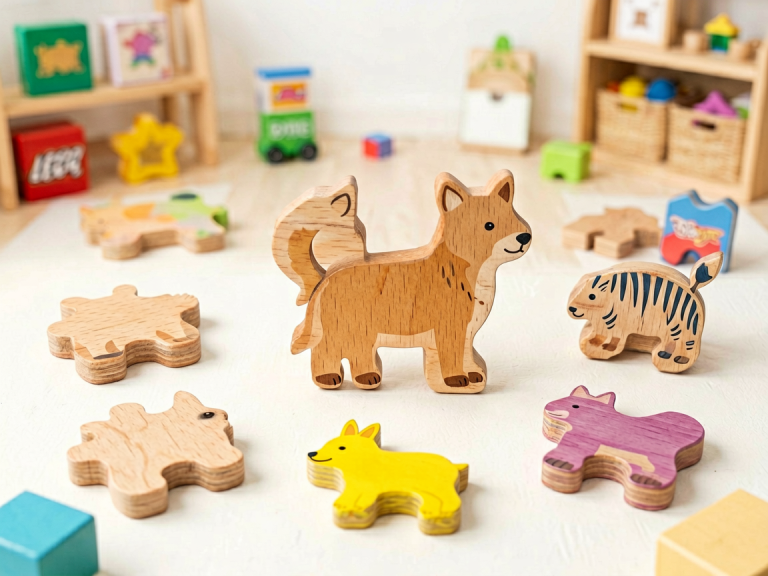
Building things from scratch is a powerful way to develop spatial reasoning, engineering thinking, and persistence. While LEGO bricks are a classic choice, you don’t need expensive toys to enjoy construction play. Household items like wooden blocks, empty yogurt cups, toothpicks, and marshmallows can be used to create towers, bridges, and even simple machines. For example, challenge your child to build the tallest tower using only paper and tape—a task that requires trial, error, and creative problem-solving. Another engaging activity is designing a marble run using cardboard tubes, tape, and ramps made from paper plates. As children watch the marble roll through their creation, they learn about gravity, momentum, and cause and effect. These building projects can be done individually or as a team, fostering collaboration and communication. When a structure falls, it’s an opportunity to discuss resilience and the importance of trying again.
Conclusion
Indoor play activities at home offer endless possibilities for fun, learning, and connection. From artistic masterpieces and energetic obstacle courses to quiet sensory bins and imaginative role-play, each activity contributes to a child’s holistic development. The best part is that these games require little more than everyday household items and a sprinkle of creativity. By dedicating time to play together, parents not only keep their children entertained but also build lasting memories and strengthen the family bond. So the next time you’re stuck indoors, remember that the greatest playroom is your own home, and the greatest toy is your own imagination. Embrace the mess, encourage the laughter, and watch as your child’s world expands within four walls.