The Ultimate Parent Guide: Choosing Age-Appropriate Toys for 8-Year-Old Boys
Introduction: Why Toy Selection Matters at Age 8
At eight years old, boys are no longer toddlers or preschoolers, yet they are not quite tweens. This is a pivotal age of rapid cognitive, social, emotional, and physical development. An eight-year-old boy is likely to be more curious, more independent, and more competitive than ever before. He wants to test his limits, solve complex problems, and engage in activities that feel meaningful. Choosing the right toys for this stage is not about simply keeping him occupied; it is about nurturing his growth, sparking his imagination, and providing healthy outlets for his boundless energy. A well-chosen toy can foster critical thinking, improve fine and gross motor skills, encourage teamwork, and even help him navigate friendships and emotions. Conversely, a toy that is too babyish may bore him, while one that is too advanced might frustrate him or expose him to inappropriate content. This guide will walk you through the key developmental milestones of an eight-year-old boy and offer practical, expert-backed advice on selecting toys that are safe, engaging, and beneficial.
1. Understanding the Developmental Profile of an 8-Year-Old Boy
Before diving into specific toy categories, it is essential to understand what is happening in your son’s world at age eight.
- Cognitive Development: He can now think more logically and understand cause-and-effect relationships. He enjoys rules, patterns, and strategies. His attention span has lengthened, allowing him to focus on a single activity for 30–45 minutes or more. He is also beginning to grasp abstract concepts like time, distance, and probability.
- Physical Development: Gross motor skills are honed—he can run, jump, climb, and throw with better coordination. Fine motor skills have improved significantly, enabling him to write neatly, tie knots, and manipulate small objects. He has a strong urge to move and to test his physical limits.
- Social and Emotional Growth: Friendships become more important. He learns to cooperate, negotiate, and handle winning and losing. He may develop a sense of fairness and justice. However, he can still be impulsive and easily frustrated. Toys that involve turn-taking, teamwork, or role-playing can be powerful tools for emotional regulation and social skill building.
- Interests and Identity: His interests are more defined. He might be fascinated by dinosaurs, space, sports, video games, building, or science. He is starting to form a sense of identity and may resist toys he perceives as “for babies.”
Keeping these milestones in mind, the best toys for an eight-year-old boy are those that challenge his mind, engage his body, and respect his growing maturity.
2. Category 1: STEM and Educational Toys
At eight, a boy’s natural curiosity about how things work is at its peak. STEM (Science, Technology, Engineering, and Math) toys not only satisfy that curiosity but also build problem-solving, patience, and logical thinking.
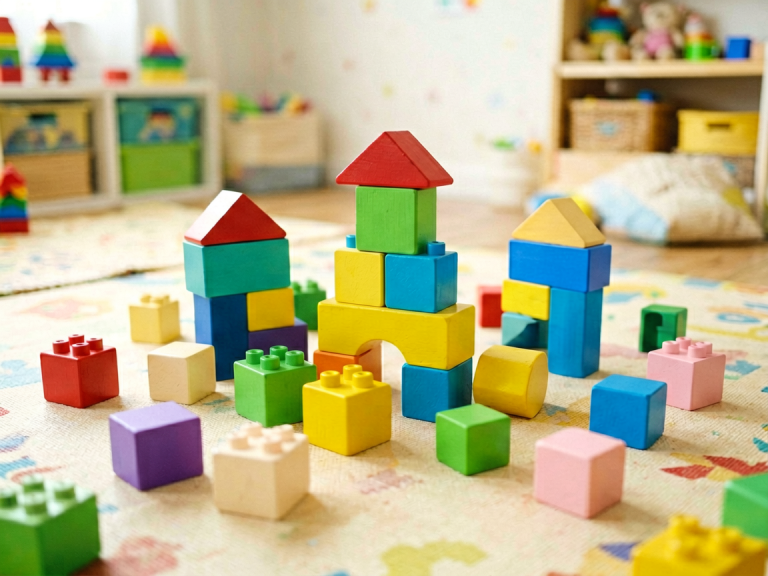
- Building and Construction Sets: Advanced LEGO sets (like Technic or Creator Expert) are excellent. They require following complex instructions, understanding mechanical principles, and often result in a working model (e.g., a crane, a car with gears). Magnetic building tiles (e.g., Magna-Tiles or PicassoTiles) allow for open-ended architectural creativity. Also consider wooden marble runs or K’Nex sets that introduce simple physics.
- Science Kits: Look for kits that are age-marked 8+ and involve real experiments. Crystal-growing kits, volcano-building kits, or chemistry sets with safe, non-toxic chemicals can provide hours of fascination. Robotics kits (like littleBits or Snap Circuits) teach basic electronics and coding without needing a screen.
- Coding and Logic Games: Board games that require strategic thinking, such as *Rush Hour*, *Gravity Maze*, or *Robot Turtles*, are fantastic. For screen-based learning, consider a child-friendly programmable robot like Sphero or a subscription to coding apps (Scratch, Code.org) that turn coding into a game.
- Maps, Atlases, and Puzzles: A large, detailed world map puzzle or a 3D globe can spark interest in geography. Jigsaw puzzles with 300–500 pieces improve visual-spatial reasoning and pattern recognition.
3. Category 2: Active and Outdoor Toys
An eight-year-old boy has energy to burn. Active play is crucial for physical health, coordination, and even emotional well-being. Toys that get him moving are indispensable.
- Bikes, Scooters, and Skateboards: At eight, a boy is ready for a larger bike (20-inch wheels) with hand brakes and gears. Ensure proper safety gear (helmet, knee and elbow pads). A two-wheeled scooter or a beginner skateboard can also be great for balance and fun.
- Sports Equipment: This is the age to invest in quality gear for his favorite sport: a proper soccer ball, basketball with an adjustable hoop, baseball bat and glove, or a tennis racket. Consider age-appropriate training aids – a soccer rebound net, a baseball pitching machine (soft toss), or a basketball shooting arc.
- Outdoor Games for Groups: Toys that encourage social play: a Nerf blaster set for backyard battles (with safety goggles), a badminton or volleyball set, a giant Connect Four, a cornhole toss game, or a frisbee. These teach teamwork and friendly competition.
- Adventure and Exploration: A kid-friendly compass, binoculars, a bug-catching kit, or a simple metal detector can turn a walk in the park into an exciting expedition. A climbing rope or a slackline (with adult supervision) builds strength and confidence.
4. Category 3: Creative and Imaginative Play
Even though he is getting older, an eight-year-old boy still benefits greatly from pretend play and artistic expression. These toys help him process emotions, explore identities, and develop fine motor skills.
- Building and Craft Kits: Beyond LEGOs, consider origami kits, model airplane or car kits (like Revell or Airfix – requiring glue and paint), and even beginner woodworking sets (with child-safe tools). These teach patience and pride in a finished product.
- Art Supplies: High-quality colored pencils, markers, sketchbooks, watercolor sets, and clay. More advanced options include calligraphy sets, stencil kits, or stop-motion animation kits. Art allows him to express himself in a non-verbal, stress-relieving way.
- Role-Playing Accessories: At eight, role play becomes more sophisticated. A spy kit (with invisible ink, walkie-talkies), a detective kit, a doctor’s kit with realistic tools, or a camping set (tent, flashlight, mess kit) can fuel elaborate, cooperative play with friends.
- Storytelling and Puppets: A set of finger puppets or simple hand puppets, a blank book for writing his own story, or a “story cubes” dice set can encourage narrative thinking and language development.
5. Category 4: Board Games and Social Play
Board games are not just fun; they are essential for teaching patience, fair play, and strategic thinking. At eight, a boy can understand complex rule sets and enjoy games that involve luck, strategy, and sometimes deception.
- Strategy Games: *Settlers of Catan (Junior)*, *Ticket to Ride (First Journey)*, *Carcassonne*, *Chess* (if he is interested), *Checkers*, *Othello*. These games require planning and adapting.
- Cooperative Games: *Forbidden Island*, *Outfoxed!*, *Castle Panic* – where players work together to win, reducing the pressure of losing and teaching teamwork.
- Classics with a Twist: *Uno*, *Monopoly Junior*, *Blokus*, *Qwirkle*, and *Sequence*. These are easy to learn but offer enough depth to stay interesting.
- Fast-Paced Fun: *Spot It!*, *Jenga*, *Twister*, *Pictionary* (with drawing). These are great for parties or family game nights with short attention spans.
6. Category 5: Tech and Screen-Based Toys (Used Wisely)
It is unrealistic and unnecessary to ban all screens. At eight, many boys are drawn to video games and tablets. The key is to choose content that is educational, creative, and age-appropriate, and to set firm boundaries.
- Educational Video Games: Look for games on platforms like Nintendo Switch, PC, or tablets that emphasize problem-solving, creativity, or learning. *Minecraft* (creative mode) teaches engineering and resource management. *LEGO* video games are great for puzzle-solving. *Kerbal Space Program* (for advanced kids) teaches physics. *Zelda: Breath of the Wild* (with parent guidance) encourages exploration and puzzle-solving.
- Coding and Robotics Platforms: As mentioned, a programmable robot like Sphero, Dash, or Botley encourages coding without passive screen time.
- Digital Art and Music: Apps like *Procreate* (on iPad), *GarageBand*, or *Minecraft* modding tools allow creative expression.
- Important Cautions: Avoid games with graphic violence, microtransactions, or online chat with strangers. Use parental controls to limit playtime (e.g., 45–60 minutes on weekdays) and ensure screen time is balanced with physical and social activities.
7. Practical Tips for Parents: What to Avoid and How to Choose
With so many options, it helps to have a simple checklist.
- Avoid “Too Babyish” Toys: At eight, he will reject anything that feels like it’s for “little kids.” Avoid simple shape sorters, large plastic trucks (unless for outdoor sand play), or very basic puzzles. Also avoid overly violent or scary toys that may cause nightmares or promote aggressive behavior.
- Check for Safety: Ensure toys meet CPSC (Consumer Product Safety Commission) standards. Avoid small magnets, sharp edges, or toxic materials. Check for choking hazards if younger siblings are present.
- Respect His Interests and Autonomy: Let him have a say. Take him to the store or browse online together. If he loves dinosaurs, find a dinosaur excavation kit or a dinosaur-themed strategy game. Forcing a toy he doesn’t want will lead to disappointment.
- Prioritize Open-Ended Play: Toys that can be used in many ways (building blocks, art supplies, dress-up items) tend to hold his interest longer than single-purpose toys (like a battery-operated toy that does only one thing).
- Consider Social and Emotional Needs: If he is shy, look for cooperative board games. If he struggles with anger, consider toys that require calm concentration (puzzles, model building). If he is very competitive, use sports and games to teach good sportsmanship.
- Limit Over-Stimulation: Too many toys can overwhelm him. Rotate toys every few weeks to keep them fresh. Quality over quantity is the golden rule.
Conclusion: The Gift of Thoughtful Choosing
Selecting age-appropriate toys for an eight-year-old boy is an act of love and understanding. It means recognizing that he is not a little child anymore, but also not a teenager. He needs challenge, movement, creativity, and connection. The right toy will not just fill an afternoon; it will build a memory, teach a skill, or spark a lifelong passion. Whether it is a complex LEGO set that teaches engineering, a soccer ball that strengthens his leg and his friendships, or a board game that teaches him to lose graciously, each choice is a building block for the person he is becoming. As you walk down the toy aisle or browse online, remember this guide. Look for toys that respect his age, engage his mind, and invite him to play with the world—and with you. You’ve got this.