Rainy Day Play: Engaging Activities for Babies to Spark Joy and Development
Introduction
Rainy days can bring a sense of coziness, but for parents of young babies, they also bring the challenge of keeping a curious little one entertained and stimulated indoors. When the pitter‑patter of raindrops replaces the chance for a stroll outdoors, it is easy to feel confined. Yet these indoor hours are a golden opportunity for connection, discovery, and playful learning. Babies, even the youngest, are natural explorers—they learn about the world through their senses, their movements, and their interactions with caregivers. A rainy day does not have to mean a day of boredom. With a little creativity and some common household items, you can transform your living room into a safe, engaging play space that supports your baby’s development across multiple domains: sensory, motor, cognitive, and social‑emotional. This article offers a variety of hands‑on play activities specifically designed for babies (from newborns to about 12 months) on rainy days. Each activity is explained in detail, including materials, step‑by‑step instructions, and the developmental benefits. As always, adult supervision is essential, and every activity should be adapted to your baby’s age and abilities. Let the indoor adventures begin!
—
Sensory Play Adventures
Sensory play is a cornerstone of infant development. It helps babies make sense of the textures, temperatures, sounds, and sights that surround them. On a rainy day, you can create simple sensory experiences that captivate your baby’s attention and build neural connections.
1. Fabric Texture Box
Take a small cardboard box (like a shoebox) and cut a hole in the lid large enough for your baby’s hand to fit through. Place several fabric scraps of different textures inside—soft velvet, rough burlap, smooth silk, fuzzy fleece, and crisp cotton. Let your baby reach inside and feel each one. As they pull out a square, describe the sensation: “This is so soft and silky,” or “Ooh, that feels bumpy!” You can also attach different ribbons or yarn to the edges. This activity stimulates touch receptors, encourages grasping, and introduces vocabulary about textures. For younger babies who cannot sit yet, lay the box next to them during tummy time and let them bat at the fabrics.
2. Ziplock Bag Water Play
Fill a strong, sealed ziplock bag with a small amount of water (about a cup) and add a few drops of food coloring or a few floating toys like a plastic fish or a button (supervise closely, as bags can leak). Squeeze out the air, seal it tightly, and tape the bag to a flat surface or a high‑chair tray. Your baby can pat, press, and swipe the bag, watching the water move and the toys drift. The cool temperature and the resistance of the bag provide a unique tactile experience. This activity is mess‑free yet endlessly fascinating. For extra sensory variety, add glitter, small beads (sealed in a double bag), or a drop of baby oil to create slow‑moving bubbles. Always check for leaks before giving to baby.
3. Edible “Snow” Dough
Combine 2 cups of cornstarch with about ¼ cup of baby oil or vegetable oil, mixing until it forms a crumbly, snow‑like dough. This mixture is safe if explored by mouth (though not meant to be eaten in large amounts). Let your baby squish, scoop, and pat the dough on a tray. You can add a few drops of peppermint or vanilla extract for a gentle scent (skip if baby has allergies). The powdery texture changes as it warms in their hands, offering a subtle lesson in cause and effect. Keep baby sitting up supported and watch for any attempt to put handfuls in mouth—redirect to the tray.
—
Music and Movement
Babies are naturally drawn to rhythm and sound. Creating music together supports auditory discrimination, motor coordination, and emotional bonding.
1. Homemade Shakers
Fill small, clean plastic bottles or empty spice jars with dry rice, dried beans, or pasta. Secure the lids tightly with superglue or strong tape so they cannot be opened. Decorate the outside with colorful washi tape or fabric—babies love high‑contrast patterns. Hand the shaker to your baby and let them explore shaking, banging, and rolling it. Sing a simple song like “Rain, Rain, Go Away” and shake along to the beat. This activity builds fine motor skills (grasping, wrist rotation) and auditory awareness. For younger babies, use a smaller, lighter container like a mini water bottle and supervise to ensure they don’t bang themselves in the face.
2. Pot and Pan Drum Set
Pull out a few metal pots, a wooden spoon, and a plastic bowl. Place them on a towel on the floor. Show your baby how to tap the pots with the spoon, making different sounds—clang, thud, ring. Let them take the lead, even if it’s just random banging. You can join in by drumming a simple rhythm and watching if your baby tries to copy you. This activity strengthens arm muscles, introduces patterns (loud/soft, fast/slow), and is wonderfully cathartic. Make sure the pots are cool and not sharp. For safety, avoid glass or ceramic containers.
3. Dance and Sway
Pick a rainy‑day playlist with gentle, rhythmic music—classical, lullabies, or soft pop. Hold your baby securely in your arms or against your chest and sway, dip, and turn to the music. For babies who can sit, sit facing them and gently rock side to side while singing. You can also tie a colorful scarf to your wrist and wave it as you move. The vestibular stimulation (sense of balance and movement) helps develop coordination and can be very calming on a stormy day. This is also a lovely way to soothe a fussy baby when the rain is loud.
—
Fine Motor Fun
Fine motor skills—using the small muscles of the hands and fingers—are crucial for later tasks like writing, buttoning, and self‑feeding. Rainy days offer a chance to practice these skills with engaging materials.
1. Tissue Box Pull
Take an empty tissue box and fill it with colorful scarves, long strips of fabric, or even clean socks. Show your baby how to pull one out—they will quickly get the hang of it. The repeated action of grasping and pulling strengthens hand‑eye coordination and finger dexterity. You can hide a small rattle or teething toy among the fabrics as a surprise. This activity is endlessly entertaining; babies love the “peek‑a‑boo” effect as each new item emerges.
2. Stacking and Knocking
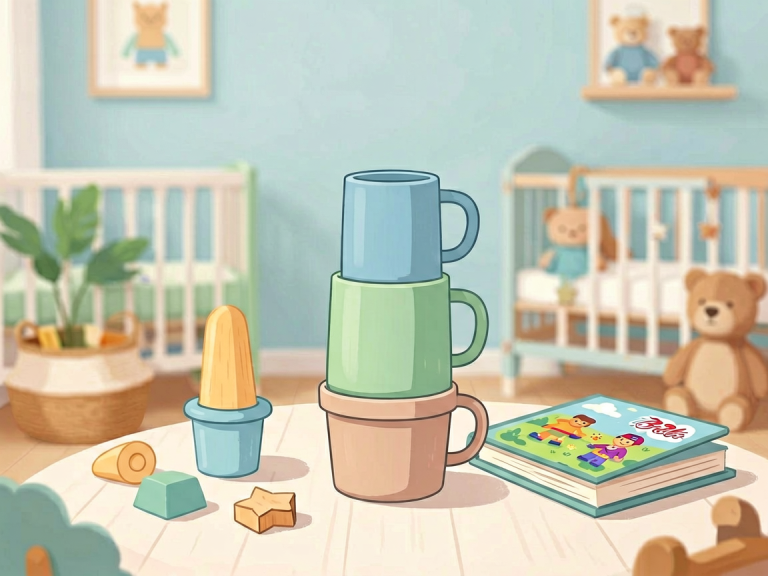
Provide a set of lightweight, soft stacking cups or blocks (plastic or foam). Sit with your baby and slowly stack two cups, then invite them to knock the tower down. The falling cups create a delightful cause‑and‑effect lesson. As your baby grows, they will begin to attempt stacking themselves. For very young babies, simply hold a cup and let them bat at it, then hand it to them to explore mouthing and banging. This activity develops visual tracking, hand strength, and early problem‑solving.
3. Edible Finger Paint
Mix plain yogurt with a few drops of natural food coloring (or puréed berries, beet juice, etc.) to create safe, edible paint. Spread a small amount on a high‑chair tray or a large sheet of parchment paper taped to the floor. Let your baby smear, pat, and swipe the paint with their fingers. The sensory input—cold, smooth, colored—is wonderful. You can also “paint” with mashed avocado or pumpkin for a thicker texture. Always supervise to avoid eating large amounts, but a tiny taste is fine. This activity also encourages bilateral coordination (using both hands together).
—
Gross Motor Exploration
Even on rainy days, babies need to move their big muscles: rolling, crawling, reaching, and kicking. Indoor gross motor play supports strength, balance, and spatial awareness.
1. Pillow Obstacle Course
Create a soft, padded course using cushions, pillows, and rolled‑up blankets. Place them on the floor to form gentle slopes, tunnels, and barriers. Help your baby crawl over a low pillow, roll from one side to another, or practice “climbing” over a small mound. You can lie on the floor and encourage them to crawl over your legs. This builds core strength and coordination. For pre‑crawlers, place interesting toys at the ends of the course to motivate reaching and scooting.
2. Tummy Time with a Twist
Tummy time is essential for strengthening neck, shoulder, and arm muscles, but some babies resist it. On a rainy day, make it more appealing. Place a large mirror on the floor (safely secured against a wall) and lay your baby in front of it. The reflection invites them to lift their head and study the “other baby.” You can also scatter brightly colored toys or crinkly paper just out of reach. Another idea: put a few drops of water on a plastic mat under your baby during tummy time—the cool sensation and squeaky sound can pique interest. Always supervise tummy time, especially near mirrors or water.
3. Bouncing on an Exercise Ball
If you have a large, sturdy exercise ball, sit on it with your baby securely supported (either lying tummy‑down on the ball or sitting on your lap as you bounce). Gently bounce up and down while holding them firmly. The rhythmic motion is calming and builds vestibular sense. You can also roll the ball slightly from side to side, encouraging your baby to engage their core to stay upright. This is a fantastic rainy‑day activity because it mimics the soothing movement of a stroller or car ride. Ensure the ball is properly inflated and never leave your baby unattended.
—
Cognitive and Visual Stimulation
Babies are born with a drive to understand the world. Simple games that involve looking, tracking, and problem‑solving support cognitive growth.
1. Black‑and‑White Card DIY
Print or draw high‑contrast black‑and‑white patterns (stripes, checkers, spirals, faces) on cardstock. Prop them up around the room or hold them about 8–12 inches from your baby’s face. Slowly move the card side to side, encouraging your baby to track it with their eyes. For older babies (6+ months), you can make a simple “book” by binding a few cards together with a ring. This activity sharpens visual focus and attention span. You can also use a flashlight to shine light on the cards in a dim room—babies love the contrast.
2. Peek‑a‑Boo with Scarves
Take a lightweight, sheer scarf (or a clean handkerchief) and hold it over your face. Say “Peek‑a‑boo!” as you drop it. Then place the scarf over your baby’s head and let them pull it off. This classic game teaches object permanence—the understanding that things still exist even when out of sight. For extra fun, hide a small toy under a cup or cloth and let your baby discover it. The element of surprise delights babies and builds memory.
3. Shadow Play
On a rainy, dark day, use a small lamp or flashlight to cast shadows on a blank wall. Make simple shapes with your hands—a bird, a dog, a bunny. Move the shadow slowly. Your baby will turn their head to follow it. You can also hold a toy, like a stuffed bear, in front of the light and let its shadow dance. This stimulates visual tracking and introduces the concept of light and dark. Keep the light soft to avoid startling your baby.
—
Bonding Through Books and Stories
Even the youngest babies benefit from being read to. The sound of your voice, the rhythm of the words, and the closeness of cuddling create a powerful bonding experience. On rainy days, reading can become a special ritual.
1. Textured and Crinkle Books
Choose soft cloth books or board books with different textures (furry, bumpy, shiny). Let your baby touch the pages as you read. For example, a book about rain might have a page that feels like a raindrop. Point to the pictures and name objects: “Look, a yellow duck!” You don’t have to read the words exactly—describe what you see and make up simple stories. The combination of visual, tactile, and auditory input supports language development.
2. Storytime with Puppets
Use a simple finger puppet or a sock puppet to “act out” a short story. You can make a puppet from an old sock and two buttons (sewn securely). Let the puppet “talk” to your baby, ask questions, and give kisses. Babies respond to the exaggerated expressions and movements. This encourages social‑emotional skills—they learn about turn‑taking, emotion, and communication.
3. Sing Along with a Book
Find books set to familiar tunes, like nursery rhyme collections. Sing the songs while showing the pictures. Your baby will begin to associate the sounds with the images. Even before they can talk, they are building a foundation for future reading. The rainy ambience outside makes this quiet, musical time especially soothing.
—
Safe and Simple DIY Toys
Sometimes the best toys are the ones you make from everyday objects. They are inexpensive, easy to rotate, and tailored to your baby’s interests.
1. Ribbon Pull
Tie several long, different‑colored ribbons (about 12 inches each) to a sturdy ring or a wooden spoon handle. Secure them tightly. Hand the ring to your baby and let them pull, shake, and wave the ribbons. The movement and colors are visually stimulating, and the pulling action strengthens hand muscles. For a variation, attach ribbons to a small basket and let your baby pull them out one by one.
2. Cardboard Box Tunnel
Cut off the flaps of a large cardboard box (like a diaper box) and tape it upright to create a short tunnel. Place a toy inside and let your baby crawl or reach through to retrieve it. If your baby is not yet crawling, lay them on their tummy and let them push the box or bat at the opening. The tunnel provides a sense of adventure and spatial exploration.
3. Sensory Bags (No‑Mess)
In addition to the water bag described earlier, you can make a sensory bag with hair gel, a few small plastic animals, and glitter. Seal the bag tightly and tape it to a window or a tray. The gel oozes slowly, and your baby can push the animals around. This is perfect for a rainy day when you want zero cleanup. Just ensure the bag is double‑sealed with strong tape.
—
Conclusion
Rainy days need not be dreary when you have a baby to delight. Each of these play activities is designed to engage your little one’s senses, encourage movement, and foster a loving connection between you. Remember that the most important ingredient is your presence—your voice, your smile, your hands guiding theirs. As you watch your baby bat at a shimmering water bag, giggle at a shadow, or concentrate on pulling a scarf from a box, you are witnessing the miracle of early learning. Adapt these ideas to your baby’s age and temperament. Some days they may prefer quiet, sensory play; other days they may want to bounce and drum. Follow their cues, and let the rain outside become a gentle soundtrack to your shared discoveries. With a little creativity, every raindrop is an invitation to play.