The Ultimate Guide to Playroom Organization: Practical Tips for Tidy and Joyful Spaces
Every parent knows the scenario: you spend hours organizing the playroom, only to find it looks like a toy tornado hit it within twenty minutes. A chaotic playroom not only stresses parents but also overwhelms children, making it harder for them to focus, play creatively, or clean up independently. The good news is that with a thoughtful strategy, you can transform that cluttered space into an organized haven where kids can thrive and parents can breathe. This guide offers actionable, parent-tested tips for playroom organization that balance functionality, child development, and sanity.
1. Start with a Thorough Declutter
Before any organizing can happen, you must clear out the excess. Children often have too many toys, which actually hinders their ability to engage deeply with any single item. Set aside a weekend to go through every bin, shelf, and corner with your child (if they are old enough). Sort toys into three piles: keep, donate, and discard.
Be honest about what your child actually plays with. That broken puzzle, the Happy Meal toy from three years ago, or the battery-operated gadget that has been missing its batteries for months — all of it can go. Remember that less truly is more. A curated collection of toys encourages creativity, reduces decision fatigue, and makes cleanup faster. Aim for a manageable quantity that fits comfortably in your designated storage spaces. For sentimental items you aren't ready to part with, create a memory box stored out of sight.
2. Categorize and Create Activity Zones
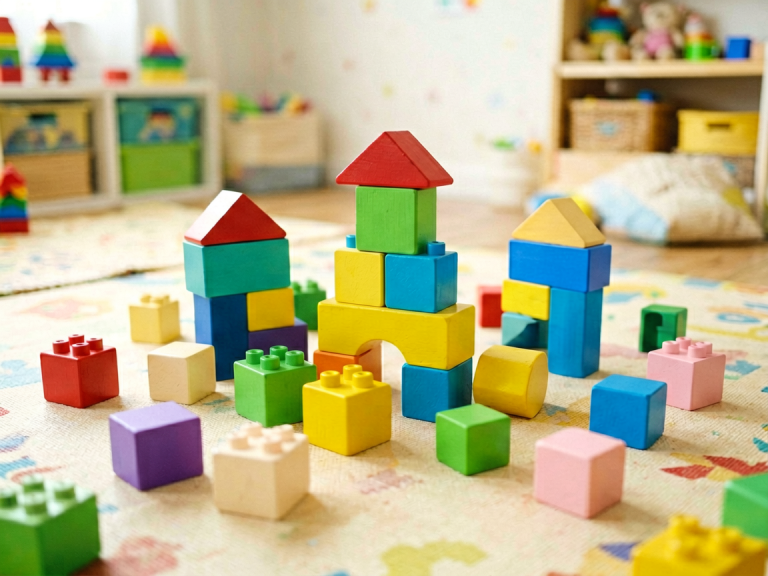
Once you have pared down the toy collection, group similar items together. This is the cornerstone of an organized playroom. Typical categories include building blocks, puzzles and games, arts and crafts, pretend play (dress-up, kitchen, dolls), vehicles, and books. Then assign each category a dedicated zone in the room.
For example, designate a cozy corner with a small rug and a bookshelf for reading. Place a low table and chairs near the art supplies for drawing and crafting. Use a large, flat bin for blocks and another for cars. Zoning helps children understand where things belong and encourages them to play in one area without spreading toys everywhere. It also makes the room feel purposeful rather than chaotic. You can use floor tape, rugs, or different colored bins to visually separate zones.
3. Invest in Smart Storage Solutions
The right storage containers can make or break your organization system. Opt for clear, lidded bins so children can see what’s inside without dumping everything out. Avoid deep bins where small items get lost; instead, use shallow, stackable containers. Open baskets work well for soft toys or items your child uses daily, as they are easy to toss back in.
Label everything — even if your child cannot yet read, use pictures. You can print images of a car, a doll, or a block and tape them to the bins. This empowers even toddlers to participate in cleanup. Consider adding a shelf system with adjustable heights to accommodate tall toys like dollhouses or large puzzles. For art supplies, use a caddy with compartments for crayons, markers, scissors, and glue. Keep small pieces (LEGOs, marbles, game tokens) in clear jars with screw-top lids to prevent spills.
4. Involve Your Child in the Process
Organization works best when children feel ownership. Invite them to help choose which toys to keep, where to place them, and even how to label bins. For younger kids, make it a game: “Let’s find all the red cars and put them in this box!” Older children can design their own label drawings.
Teach them the “one in, one out” rule: when a new toy arrives, an old one must be donated. This instills a sense of responsibility and prevents accumulation over time. After you set up the system, walk through the cleanup routine together a few times until they understand the “home” for each item. Praise their efforts, not perfection. The goal is to build lifelong habits, not a spotless playroom.
5. Implement a Toy Rotation System
Even after decluttering, having everything available at once can overwhelm children and lead to boredom. A rotation system keeps play interesting and reduces mess. Divide the toys into two or three sets. Store one set in accessible bins in the playroom and the rest in a closet, basement, or garage (out of sight). Every two to four weeks, swap the sets.
When you rotate, your child rediscovers “new” toys with renewed excitement, and you only have to manage a fraction of the toys at any given time. This strategy also makes cleanup easier because there are fewer items to put away. For maximum effect, rotate based on your child’s changing interests. If they are suddenly obsessed with dinosaurs, bring out the dinosaur set earlier than planned.
6. Maximize Vertical Space
Floor space is precious in any playroom, so look up. Install wall-mounted shelves at a height your child can safely reach (lower for toddlers, higher for older kids who can use step stools). Use pegboards for hanging dress-up costumes, art aprons, or small baskets of supplies. A wall-mounted magnetic strip can hold metal toy cars or magnetic letters.
Consider adding a tall, narrow bookshelf instead of a wide one to save floor area. Hanging shoe organizers on the back of a door work brilliantly for small toys, doll accessories, or craft materials. Vertical storage not only declutters the floor but also makes cleaning easier — you can sweep and vacuum without moving bins around.
7. Designate a “Home” for Everything
This is the golden rule of organization: every item must have a specific, consistent place. When a toy’s home is clearly defined, putting it away becomes automatic. For example, all plush animals live in the blue basket next to the window. LEGOs go in the green bin on the second shelf. Play food lives in the little red cart. Train tracks are stored in a shallow drawer under the table.
Make sure the storage is accessible to your child. Heavy bins on the floor, light items on low shelves. Avoid storing things in places that are hard to reach, or your child will simply leave them out. After playtime, the rule is simple: everything must return to its home before you move on to the next activity. You can sing a cleanup song or set a timer to make it fun.
8. Create a “Works in Progress” Area
Children often feel frustrated when they have to destroy an elaborate castle or a puzzle they haven’t finished. Designate a small shelf, a tray, or a basket as the “works in progress” zone. Here, they can leave ongoing projects without cleaning up immediately. This respects their creative process and reduces resistance to tidying up the rest of the room.
Also, have a “donate box” placed in a corner of the playroom. Encourage your child to drop in toys they no longer play with. Whenever the box is full, take it to a charity together. This builds empathy and makes decluttering a regular habit rather than a seasonal chore.
9. Establish Simple Daily and Weekly Routines
No system survives without consistent maintenance. Build a quick cleanup routine into your daily schedule. For example, a five-minute tidy before lunch, a ten-minute pickup before dinner, and a final sweep before bedtime. Use a countdown timer to keep it fast and playful.
Weekly, do a deeper check: return misplaced items to their correct homes, dust shelves, and rotate toys if needed. Monthly, reassess the toy collection. Has your child outgrown certain toys? Are any broken? This regular attention prevents the playroom from sliding back into chaos. And remember: perfection is impossible. Aim for “good enough” — a playroom that is functional, not necessarily magazine-worthy.
Conclusion
Organizing a playroom is not a one-time event but an ongoing practice that evolves with your child’s age and interests. By decluttering, zoning, using smart storage, involving your child, rotating toys, and establishing routines, you create a space that encourages independent play, reduces stress, and teaches valuable life skills. The effort you put in now will pay off in fewer meltdowns, more creative playtime, and a home that feels calm rather than cluttered. So roll up your sleeves, grab some bins and labels, and transform that toy chaos into a joyful, organized oasis for your little ones.