The Art of Playroom Organization: Transforming Chaos into a Creative Haven
Introduction: Why Playroom Organization Matters
The playroom is often the heart of a home with young children—a vibrant space where imagination runs wild, creativity blossoms, and memories are made. Yet, without a solid organizational system, it can quickly devolve into a battleground of scattered toys, forgotten puzzles, and frustrated parents. Managing playroom organization is not merely about tidiness; it is about creating an environment that fosters independence, reduces clutter, and allows children to engage deeply with their play. A well-organized playroom saves time, reduces stress, and teaches children valuable life skills like sorting, categorizing, and taking responsibility for their possessions. This article will guide you through a comprehensive, step-by-step approach to managing playroom organization, from initial decluttering to sustainable daily habits.
Step One: The Great Declutter – Less Is More
Assessing What You Have
Before any organizational system can work, you must first confront the sheer volume of toys, books, art supplies, and miscellaneous items that have accumulated. Begin by emptying the entire playroom onto a large floor area or into piles. This may seem overwhelming, but it provides a clear picture of what you are dealing with. As you sort, ask yourself critical questions: Is this toy still age-appropriate? Does my child actually play with it? Is it broken or missing pieces? Is it a duplicate of something we already have? Be honest—children often outgrow or lose interest in toys faster than we realize.
The Four-Box Method
Use a simple sorting system with four labeled boxes or bins: Keep, Donate, Trash, and Relocate. The "Keep" box should only contain toys that are in good condition, loved, and used regularly. "Donate" includes items in usable shape that your child has outgrown or no longer plays with. "Trash" is for broken, stained, or unsafe items. "Relocate" holds objects that belong elsewhere in the house, such as board books for the living room or art supplies that need to go to a designated craft area. Involve your child in this process if they are old enough—it teaches them about letting go and making choices.
The One-In-One-Out Rule
Once you have decluttered, establish a firm rule: for every new toy that enters the playroom, one must leave. This prevents future accumulation and keeps the playroom manageable. Consider implementing this during birthdays and holidays, when influxes of new items are common. Explain to your child that by donating an old toy, they are giving another child the joy of playing with it.
Step Two: Zoning – Creating Functional Areas
Why Zoning Works
Children thrive on predictability and visual cues. Dividing the playroom into distinct zones based on activity type helps them understand where things belong and how to use the space. It also reduces the overwhelming feeling of a "toy explosion." Common zones include a building/construction area, a reading nook, an art and craft station, a pretend-play corner, and a quiet zone for puzzles or board games.
Designing Each Zone
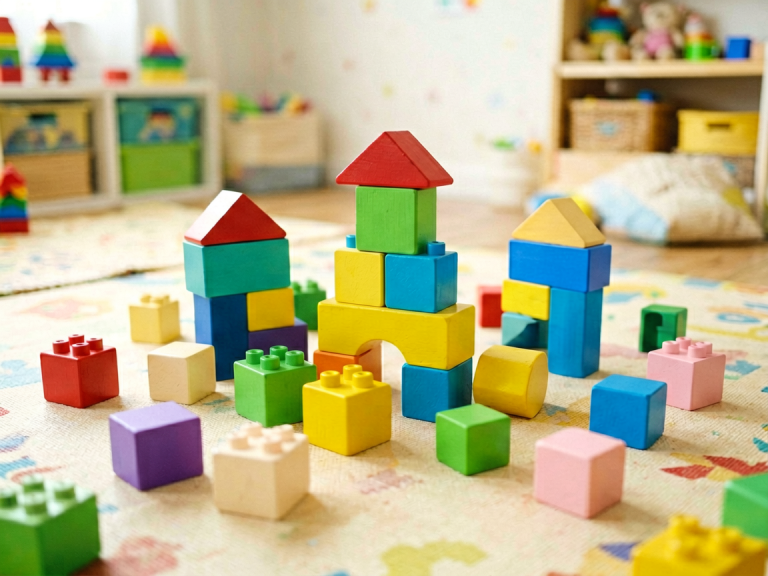
For the building zone, use low, open shelving for blocks, LEGOs, and magnetic tiles. A small rug or mat defines the area. The reading nook should be cozy with a child-sized chair or floor cushions, a small bookshelf (face-out display works best for young children), and soft lighting. The art station requires a table (washable surface), storage for crayons, markers, paper, and glue, preferably in clear containers or a caddy. Pretend-play items like costumes, kitchen sets, or dolls can be stored in a low cabinet or a large bin with a lid. Finally, a quiet zone might have a small table for puzzles and a basket for calm-down items like sensory bottles or stuffed animals.
Labeling Zones and Bins
Labels are a game-changer. Use pictures for pre-readers and words for older children. Attach labels to shelves, bins, and baskets so that even toddlers can match the picture of a fire truck to the bin containing fire trucks. This empowers children to clean up independently and reinforces their sense of ownership over the space. Laminated labels or adhesive chalkboard stickers work well and can be updated as interests change.
Step Three: Storage Solutions – The Right Tools for the Job
Vertical Storage for Small Spaces
Maximize floor space by going vertical. Wall-mounted shelves, pegboards, and hanging organizers can store art supplies, action figures, or small vehicles without taking up precious square footage. A pegboard with small buckets or hooks is excellent for items like toy tools, dolls, or dress-up accessories. Also consider over-the-door shoe organizers for craft supplies or small animal figures—each pocket can hold a different category.
Open vs. Closed Storage
A mix of open and closed storage is ideal. Open shelving allows children to see and easily access their toys, which encourages independent play. However, too much visual clutter can be overstimulating. Use closed cabinets or fabric bins with lids for items you want to rotate or limit, such as seasonal toys, holiday decorations, or items that require adult supervision (like small pieces or messy crafts). Baskets and bins are versatile—choose ones that are lightweight, durable, and easy for small hands to pull out and put away.
Rotating Toy Collections
One of the most effective strategies for managing playroom organization is toy rotation. Divide your child's toys into several groups—for example, three or four sets—and store all but one in a closet or garage. Every two to four weeks, swap the current set with a new one. This keeps toys feeling fresh, reduces boredom, and dramatically cuts down on daily mess. It also helps children focus more deeply on fewer items. Rotating also makes the decluttering process easier because you are only exposing a fraction of the toys at any time.
Step Four: Daily and Weekly Routines – Maintaining the System
The Five-Minute Tidy
Even the best organizational system fails without consistent maintenance. Institute a "five-minute tidy" at the end of each day. Set a timer and have everyone (including adults) quickly return items to their designated zones. This should be a low-pressure, collaborative activity—sing a cleanup song, race against the clock, or offer a small reward for finishing before the timer sounds. For very young children, break down tasks: "First, let's put all the cars in the red bin. Then, let's put the books on the shelf."
Weekly Reset
Once a week, schedule a deeper reset. This might involve wiping down shelves, checking that labels are still visible, and addressing any stray items that ended up in the wrong bins. It is also a good time to re-evaluate the toy rotation schedule. If your child has not played with a particular bin for two weeks, consider swapping it out. Weekly resets also help you catch broken toys before they become hazards.
Involving Children in Maintenance
The ultimate goal of playroom organization is not a perfectly tidy room but a space that children can manage themselves. Teach your child the system explicitly. Show them how to sort and store items, practice with them, and gradually let them take over. Praise their efforts, not just the result. Over time, make them responsible for specific zones—for example, the art zone belongs to your daughter, and she is the "zone captain" who ensures everything is in order before bedtime. This builds executive functioning skills, responsibility, and pride.
Step Five: Adapting as Children Grow
Changing Needs
A playroom designed for a toddler will look very different from one for a school-aged child. As your child develops new interests and outgrows old ones, your organizational system must evolve. Periodically—perhaps every six months—revisit the decluttering and zoning steps. Remove baby toys and introduce more complex items like board games, science kits, or craft projects. Adjust the height of shelving to accommodate taller children, and add more tabletop workspace if needed.
Digital Play and Mixed Media
In today's world, playrooms often include tablets, video game consoles, or educational tech. Designate a specific spot for charging devices, storing controllers, and keeping headphones. Use a small drawer with dividers for cables and adapters. Remember that even digital play needs boundaries—set time limits and ensure that screen-based play does not completely replace physical, imaginative, or social play.
Special Considerations for Multiple Children
If you have more than one child, consider labeling zones with their names or using color-coded bins. Teach siblings to respect each other's special items and to negotiate sharing of communal toys. A "two-minute rule" can help: if two children want the same toy at once, set a timer and they take turns. Having duplicates of highly coveted items (like popular action figures or cars) can reduce conflict. Also, create a "mommy/daddy shelf" where delicate or sentimental items are stored out of reach to prevent damage.
Conclusion: The Joy of an Organized Playroom
Managing playroom organization is an ongoing process, not a one-time event. It requires patience, flexibility, and a willingness to let go of perfection. But the rewards are immense: a calmer home environment, fewer lost pieces, more creative play sessions, and children who learn to take care of their belongings. Remember that the ultimate purpose of the playroom is to spark joy, nurture imagination, and provide a safe haven for childhood adventures. By implementing thoughtful zoning, smart storage, consistent routines, and regular decluttering, you transform the playroom from a source of stress into a space of endless possibilities. Start small, involve your children, and celebrate every step toward a more organized and joyful playtime.