Mastering the Mess: The Ultimate Playroom Organization Guide for Parents
Every parent knows the feeling: you spend a glorious afternoon tidying the playroom, only to walk in the next morning and find a carpet of LEGO bricks, scattered crayons, and a puzzle missing three pieces. The playroom is often the heart of the home—a space for creativity, learning, and joy. But without a smart organization system, it can quickly become a source of stress for both kids and adults. Fear not: this comprehensive guide will walk you through every step of transforming that chaotic corner into a functional, inviting, and easy-to-maintain playroom. Whether you have toddlers who dump bins for sport or older children with elaborate collections, these strategies will help you reclaim order without stifling imagination.
Why Playroom Organization Matters More Than You Think
Before we dive into the how-to, it’s worth understanding why a well-organized playroom is not just about aesthetics. A cluttered environment can overwhelm young children, making it harder for them to focus on a single activity. When toys are piled together without clear homes, kids often pull out everything at once, leading to frustration and shorter attention spans. Conversely, an organized space with visible, accessible categories encourages independent play, decision-making, and responsibility. Children learn to put things away because they know exactly where each item belongs. Moreover, a tidy playroom reduces parental burnout: fewer arguments over clean-up, less time wasted searching for missing pieces, and a calmer home overall. Organization is an investment in your child’s development and your own sanity.
Step 1: Declutter Like a Pro
You cannot organize what you do not need. The first, most critical step is a thorough declutter. Set aside a full afternoon (or two) when the kids are occupied elsewhere. Gather three large boxes or bags: one for keep, one for donate/sell, and one for trash. Now, go through every single toy, book, craft supply, and game. Be ruthless. Ask yourself:
- Does my child actually play with this? If it hasn’t been touched in six months (except for sentimental or seasonal items), it’s time to let it go.
- Is it age-appropriate? That baby rattle may be precious, but if your child is now six, pass it along.
- Is it broken or missing pieces? Unless it’s a beloved favorite that can be repaired, toss it.
- Does it spark joy? Marie Kondo’s principle applies to kids too. If a toy causes frustration or is genuinely disliked, donate it.
Be honest about your own attachments. That handmade doll from Grandma may hold emotional value, but if your child ignores it, consider taking a photo and then passing it on. Once you’ve sorted everything, immediately remove the donate and trash bags from the house—don’t let them linger in the garage. Now you have a manageable collection to organize.
Step 2: Zone Your Playroom by Activity Type
One of the most effective strategies for a playroom is to create distinct zones. This prevents all activities from bleeding into one another and helps children understand where things belong. Think about what types of play happen in your space. Common zones include:
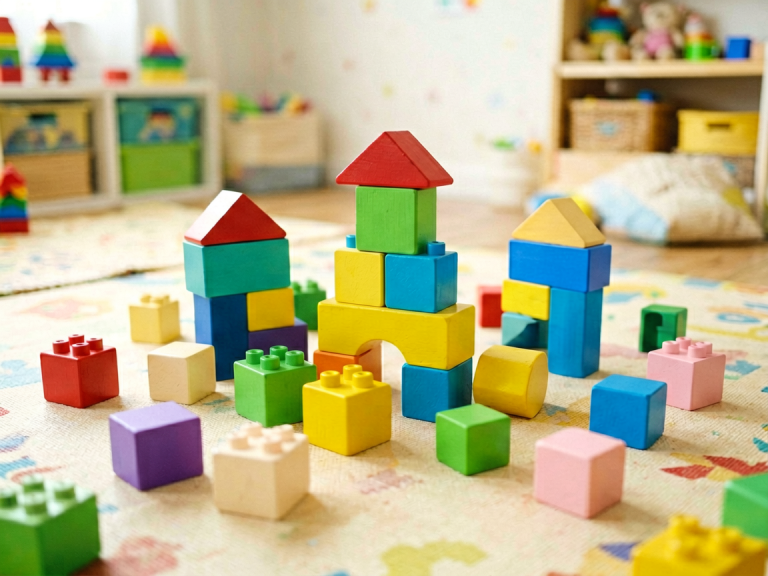
- Building and Construction Zone: For LEGOs, blocks, magnetic tiles, and similar sets.
- Art and Creativity Zone: For crayons, markers, paints, paper, glue, scissors, play-dough.
- Dramatic Play Zone: For dress-up costumes, kitchen sets, dolls, action figures, puppet theaters.
- Quiet Reading Corner: For books, puzzles, board games, and calm activities.
- Gross Motor / Active Play Zone: For ride-on toys, balls, climbing cushions (if space allows).
You don’t need all of these—choose the ones that match your child’s interests and your available square footage. In a small room, you might combine reading with art, but keep the building zone separate because loose pieces spread quickly. Use furniture, rugs, or even floor markings to define each area visually. For example, a colorful rug can anchor the reading corner, while a low table signals the art zone.
Step 3: Choose the Right Storage Solutions (and Avoid the Traps)
Now that you have zones, it’s time to select storage that works for kids, not just for adults. The golden rule: make putting away easier than taking out. Here are tried-and-true options:
Open Bins and Baskets
For toys that are used frequently (blocks, stuffed animals, cars), open bins are ideal. Kids can toss items inside without precise stacking. Use shallow, wide bins rather than deep ones, so children can see everything at a glance. Label each bin with a simple picture or word (depending on age). IKEA’s Kallax shelves paired with fabric bins are a classic budget-friendly choice. Avoid bins with lids that snap shut—they frustrate little hands and often end up left open.
Clear Containers for Small Pieces
Puzzle pieces, game cards, and craft beads belong in clear, lidded containers. Transparency lets kids see exactly what’s inside, and a lid prevents spills. Use small shoebox-size bins or even repurposed plastic takeout containers. Pro tip: keep all pieces of one game together in a zippered pouch inside the box—no more missing tokens.
Low, Accessible Shelving
Children should be able to reach their toys without climbing or asking for help. Install shelves at their eye level (typically 12–24 inches from the floor for toddlers, up to 36 inches for older kids). Reserve higher shelves for adult-controlled items like puzzles with tiny pieces or craft supplies that need supervision. A low bookshelf with forward-facing book displays invites reading; traditional spine-out shelving often gets ignored by young children.
Hanging and Vertical Storage
If floor space is tight, think vertical. Over-the-door shoe organizers work wonders for small toys, art supplies, or cars. Wall-mounted pegboards with hooks can hold dress-up items, art smocks, or bags of blocks. Magnetic strips on a low wall can store metal toy cars or magnetic puzzles. Use the back of furniture or closet doors for extra pockets.
Rotating Toy System
One of the biggest mistakes parents make is keeping every toy out at once. A rotating system reduces overwhelm and keeps items fresh. Store about half the toys in a closet or garage in labeled bins. Every two to four weeks, swap out a few bins. When the “new” toys appear, children rediscover old favorites with renewed enthusiasm. This also cuts down dramatically on daily mess.
Step 4: Involve Your Children (Yes, Really)
Organization is a team sport. If you do all the work alone, the system will fail because your children won’t understand or respect it. Tailor your approach to their ages:
- Toddlers (1–3 years): Use simple, visual labels (photos of the toy or a picture of a car). Show them where each bin goes and make clean-up a game. Sing a clean-up song, race against a timer, or use a reward chart. Don’t expect perfection; your goal is building the habit.
- Preschoolers (3–5 years): They can sort toys by category with your guidance. Teach them the “one out, one in” rule: before taking out a new toy, the previous one must be put away. Use clear, consistent routines: “First we clean up the blocks, then we have snack.”
- School-age (6+ years): These children can handle more responsibility. Create a simple checklist or a “closing time” routine where they spend five minutes tidying before screen time. Let them help rearrange shelves and decide on bin labels—ownership increases compliance.
Praise effort, not perfection. When your child puts a toy in the wrong bin, gently redirect rather than criticize. Over time, the routine becomes automatic.
Step 5: Maintain the System with Daily and Weekly Habits
Even the best-organized playroom will slide into chaos without maintenance. Build small, consistent habits into your family’s day:
Daily Reset (5–10 minutes)
Before dinner or bedtime, do a quick blitz: return stray toys to their zones, fluff pillows in the reading corner, sweep visible debris. Use a timer and do it together. A clean slate each morning sets a positive tone.
Weekly Deep Clean (15–20 minutes)
Once a week, go deeper. Wipe down shelves and bins, check for broken toys, and re-sort any items that migrated to the wrong zone. Rotate toys if you’re using that system. This is also a good time to toss or donate items your child has truly outgrown.
Seasoned Purge (Every 3–6 months)
Just as you did in Step 1, schedule a seasonal purge before birthdays or holidays when new toys arrive. This prevents accumulation from getting out of control. Involve your child in choosing what to pass along; it teaches generosity and reduces materialism.
Step 6: Adapt as Your Child Grows
A playroom that works for a two-year-old will not work for a seven-year-old. Be prepared to evolve. Move from low, chunky bins to higher shelving with more complex categorization. Replace pretend play props with board games, arts and crafts kits, and STEM sets. The reading corner might transform into a homework station. Listen to your child’s changing interests and adjust the zones accordingly. The goal is not a permanent perfect system, but a flexible framework that grows with them.
Final Thoughts: Embrace Imperfection
As you implement these strategies, remember that a playroom is meant to be used, not just admired. There will be days when it looks like a tornado hit. That’s okay. The point is not to achieve a magazine-cover look; it’s to create a space where your child can explore freely and where clean-up is manageable, not overwhelming. Celebrate small victories—the first time your preschooler puts a book back on the shelf without being asked, or the afternoon you spend playing together instead of nagging. With a smart organization system and a little patience, you can turn the playroom into a place of joy for everyone. Now go forth and conquer the chaos!