Screen-Free Play for 1-Year-Olds: Engaging Activities to Keep Toddlers Busy and Thriving
In today’s digital age, the temptation to hand a smartphone or tablet to a fussy toddler is real. For parents of a one-year-old, however, the most valuable gift you can offer is not a flashing screen but a rich, hands-on world of screen-free play. At this stage, every moment of exploration wires the brain, builds foundational skills, and fosters a love for real-world discovery. But how do you keep a busy one-year-old entertained without a digital crutch? The answer lies in understanding their developmental needs and creating simple, safe, and stimulating opportunities that captivate their attention naturally. Screen-free play for one-year-olds isn't just about keeping them busy—it's about sculpting their cognitive, physical, and emotional growth. In this article, we'll explore a variety of activities, strategies, and environmental tips that will help you fill your little one's day with purpose and joy, all while keeping them happily occupied without a single pixel in sight.
Why Screen-Free Play Matters for 1-Year-Olds
Before diving into specific activities, it's essential to understand why screens should be avoided—or at least severely limited—for one-year-olds. The American Academy of Pediatrics recommends no screen time for children under 18 months, except for video chatting. Why? Because at 12 to 24 months, a child’s brain is developing at an explosive rate, forming neural connections through sensory experiences, movement, and face-to-face interaction. Screens, even so-called "educational" apps, provide passive stimulation that fails to engage the complex, multi-sensory learning a toddler needs. Screen-free play, on the other hand, encourages active problem-solving, strengthens motor skills, and supports social-emotional development through real-time interaction with caregivers and objects. Moreover, it prevents overstimulation and promotes healthy sleep patterns. By removing the screen, you invite your child to engage deeply with the physical world—a world where blocks really do fall when pushed, where water splashes, and where a caregiver’s smile is the ultimate reward. This foundation is irreplaceable.
Sensory Play: The Foundation of Exploration
For a one-year-old, the world is a giant sensory laboratory. Sensory play—any activity that engages touch, smell, sight, sound, and taste—is the perfect screen-free way to keep them busy while supporting brain development. Here are some simple, safe sensory play ideas:
DIY Sensory Bins
Fill a shallow plastic container with non-toxic, age-appropriate materials such as dry rice, cooked spaghetti, or water (under supervision). Add large plastic spoons, cups, or silicone muffin liners. Let your toddler scoop, pour, and feel the textures. For variety, use colored pasta (dyed with vinegar and food coloring), or try a "rainbow rice" bin. Always supervise to avoid choking hazards—keep objects larger than a toilet paper roll tube.
Water Play
One-year-olds adore water. Fill a small basin with a few inches of warm water and provide bath toys, sponges, or plastic containers. Let them splash, pour, and squeeze. This activity builds hand strength and coordination. For extra fun, add a few drops of natural food coloring or a handful of ice cubes. Always remain within arm's reach.
Mess-Free Sensory Bags
Seal a sturdy zip-top bag with hair gel, water beads, or paint, and tape it to a window or high chair tray. Your child can squish and push the contents without making a mess. This is great for tactile exploration while keeping cleanup minimal.
Texture Exploration
Gather a basket of safe, varied-texture objects: a wooden spoon, a piece of velvet fabric, a silicone brush, a crinkly paper (under supervision). Let your baby feel each item, naming the texture ("soft," "rough," "smooth"). This builds vocabulary and sensory discrimination.
Fine Motor Skill Builders: Tiny Hands, Big Fun
One-year-olds are developing the ability to use their hands with increasing precision. Fine motor activities not only keep them busy but also lay the groundwork for future skills like writing and self-feeding. The key is to choose activities that require grasping, releasing, and manipulating small (but safe) objects.
Object Permanence Boxes and Drop Toys
A simple cardboard box with a hole cut in the lid becomes a treasure trove of entertainment. Show your toddler how to drop large wooden blocks, balls, or empty spools into the hole and then retrieve them. This teaches cause and effect and hand-eye coordination. You can also buy or make a DIY "coin bank" using a plastic container with a slot.
Stacking and Nesting
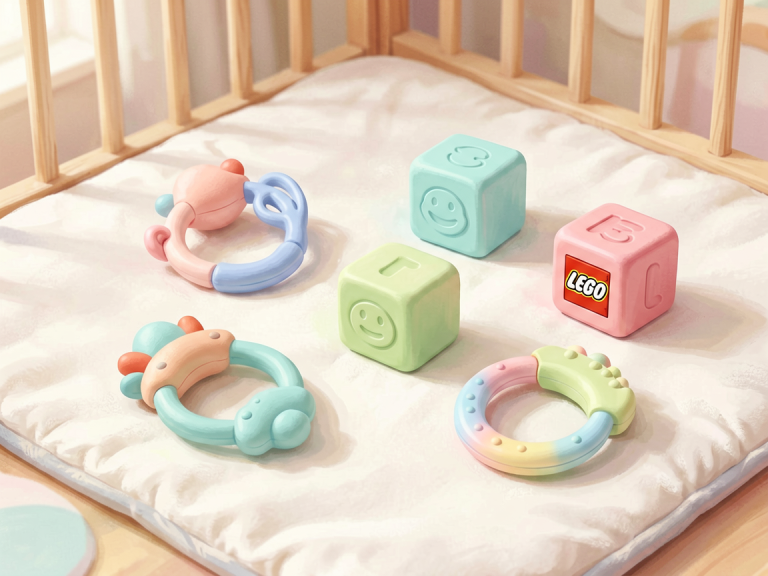
Classic nesting cups or soft stacking blocks are perfect for one-year-olds. They will try to stack them (and knock them down), fit them inside one another, or simply mouth them. These activities improve spatial awareness and fine motor control. Wooden or silicone rings on a pole are also a hit.
Pull Toys and Push Toys
While technically gross motor, pull toys (a string attached to a wooden animal) require fine motor grasp. As your toddler walks, they learn to coordinate hand and foot movements. Push toys like a small cart or a baby lawn mower provide both fine and gross motor practice.
Pincer Grasp Practice
Offer small, safe items like large blueberries (cut in half to avoid choking), puffs, or pieces of banana. Encourage self-feeding. You can also set out a muffin tin filled with large, safe objects (e.g., pompoms, bottle caps) and let your child transfer them from one cup to another using their fingers. Always supervise.
Gross Motor Fun: Move, Crawl, and Cruise
One-year-olds are on the move—crawling, cruising, or walking. Gross motor play is essential for building strength, balance, and confidence. Here are screen-free ways to keep their bodies active and busy.
Obstacle Courses
Create a simple course using soft cushions, pillows, and a low stool. Encourage your toddler to crawl over, under, and around. Add a tunnel made from a cardboard box or a blanket draped over chairs. This develops problem-solving and spatial awareness.
Ball Play
Roll a soft ball back and forth. Your toddler will enjoy the back-and-forth game even if they can't yet throw accurately. You can also use a larger ball (like a beach ball) and encourage them to push it around the room. Chasing a rolling ball is excellent for movement.
Push and Ride Toys
A wagon that they can fill with toys and push, or a small ride-on toy that they can scoot with their feet, provides hours of active fun. These toys strengthen leg muscles and coordination. Ensure the toy is stable and sturdy.
Dancing and Music
Turn on some lively music and dance together. Clap your hands, stomp your feet, and wiggle. Your toddler will mimic your movements. This is not only gross motor exercise but also a wonderful bonding activity. Use rhythm instruments like maracas or a small drum to add variety.
Imaginative and Social Play: Connecting Through Fun
At one year old, imaginative play is just beginning to emerge. They enjoy imitating adult actions and engaging in simple pretend games. Screen-free play thrives on human connection.
Peek-a-Boo and Hide-and-Seek
These classic games never grow old. Peek-a-boo teaches object permanence and social interaction. For older one-year-olds, hide a small toy under a cup and let them find it. Or play a simple game of hide-and-seek where you hide behind a couch and say "where's mommy?"
Pretend Play with Real Objects
Give your toddler a toy phone, a baby doll, or a plastic bowl and spoon. Show them how to "talk" on the phone or "feed" the doll. They will imitate your actions, which develops cognitive flexibility and empathy. You can also use a small purse or bag for them to pack with toys.
Mirror Play
Place a safe, unbreakable mirror at floor level. Let your baby see themselves, make faces, and touch the reflection. This builds self-recognition and is endlessly fascinating. You can also put a few sticky notes or washable markers (supervised) for them to interact with.
Simple Puppets
A sock puppet or a hand puppet can become a character that talks to your toddler. They may reach for it, laugh, or try to grab it. Puppets encourage eye contact and turn-taking, foundational social skills.
Outdoor Adventures: The Ultimate Screen-Free Zone
Nature provides the richest sensory environment possible. Outdoor play for one-year-olds doesn't require elaborate equipment—just a patch of grass, some sunshine, and your company.
Sensory Garden Walks
Take your toddler for a walk in the stroller, but stop frequently to let them touch leaves, grass, or flowers (ensure they are non-toxic). Let them feel the bark of a tree, listen to birds, and watch clouds. Even 15 minutes outside can reset their mood.
Sand and Dirt Play
If you have a sandbox or a patch of dirt, let your one-year-old dig with a plastic shovel and pail. They will scoop, pour, and pat the sand. Sand play is sensory rich and builds fine motor skills. A water table is another great outdoor option.
Bubble Chasing
Blow bubbles and let your toddler chase them. They will try to pop them with their hands, which improves hand-eye coordination and gross motor movements. Use a bubble machine for a hands-free option, but the manual wand is more interactive.
Nature Treasure Hunt
Place a few large, safe natural objects (a pinecone, a smooth stone, a leaf) in a basket. Let your baby discover them. You can also go on a "listening walk" where you stop and name sounds: "I hear a bird! Do you hear it?"
How to Create a Play-Friendly Environment
To keep a one-year-old busy with screen-free play, your home environment matters as much as the activities themselves. Here are organizational tips:
Rotate Toys
Don't put out all toys at once. Rotate a small selection every few days. This keeps novelty alive without overwhelming your child. For a one-year-old, 5–7 options (e.g., a stacking toy, a ball, a sensory bag, a board book, a set of cups) are enough.
Create Low Shelves
Place toys at eye level on low, open shelves. Your toddler can independently choose what to play with. This fosters decision-making and autonomy.
Designate a "Yes" Space
Create a safe area where your child can explore freely without constant "no." Cover electrical outlets, secure furniture, remove choking hazards, and place a soft mat. Within this area, your child can roam and play without interruption.
Join In (But Don't Direct)
One-year-olds benefit most when a caregiver is nearby but not directing every move. Sit on the floor and engage when your child initiates. Narrate what they are doing ("You put the block in the cup!"). This simple interaction enriches language and social bonding.
Conclusion: The Joy of Real Connection
Keeping a one-year-old busy without screens is not only possible—it is deeply rewarding. By providing rich, sensory, and movement-based activities, you are nurturing a child who learns to entertain themselves through exploration and interaction with the real world. There will be messy moments, quiet moments, and moments of frustration. But through it all, you are building a foundation of curiosity, resilience, and joy. The next time your toddler fusses, resist the screen. Instead, offer a bowl of water and a cup, or take them outside to feel the breeze. You’ll witness their eyes light up not from pixels, but from the wonder of living, breathing discovery. Screen-free play for one-year-olds is not just a parenting strategy—it is a gift of presence, love, and endless possibilities.