The First Steps of Learning: A Parent’s Guide to Nurturing Your 9-Month-Old at Home
The journey of early childhood development is both exhilarating and humbling. At nine months old, your baby is no longer a passive newborn but an active explorer—a tiny scientist who uses every sense to decode the world. This stage, often called the “crawling and grasping” phase, is a golden window for cognitive, motor, and social growth. As a parent, you are your child’s first and most important teacher, and the home environment is their first classroom. However, supporting learning at this age does not mean flashcards or structured lessons. Instead, it means creating a safe, responsive, and playful space where natural curiosity can flourish. This guide will walk you through practical, research-backed strategies to turn everyday moments into rich learning opportunities—without adding pressure to your already busy life.
—
Understanding Your 9-Month-Old’s Developmental Milestones
Before diving into activities, it helps to know what a typical 9-month-old is working on. At this age, most babies can sit without support, may begin to crawl (or scoot, roll, or creep), and use a pincer grasp to pick up small objects. They are also mastering object permanence—the understanding that things still exist even when out of sight. This is why peek-a-boo suddenly becomes hilarious. They may babble strings of consonants like “ba-ba” or “da-da,” and they begin to imitate sounds, gestures, and facial expressions. Socially, they show stranger anxiety and cling to familiar adults, but they also delight in simple back-and-forth games. All these milestones are clues: your baby is ready for interactions that involve repetition, cause-and-effect, and gentle challenge.
—
Creating a Safe and Stimulating Environment
Learning at home starts with the physical space. A 9-month-old will explore everything within reach, so safety is the foundation of effective learning.
Design a “Yes” Zone
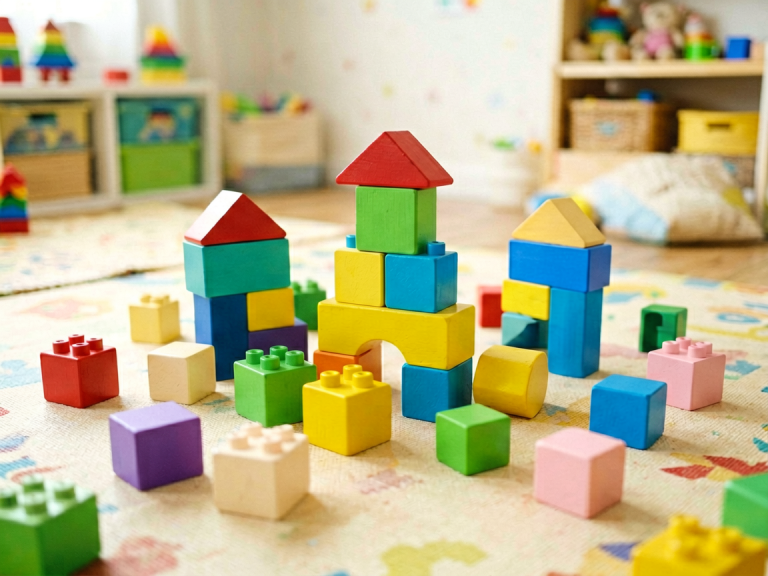
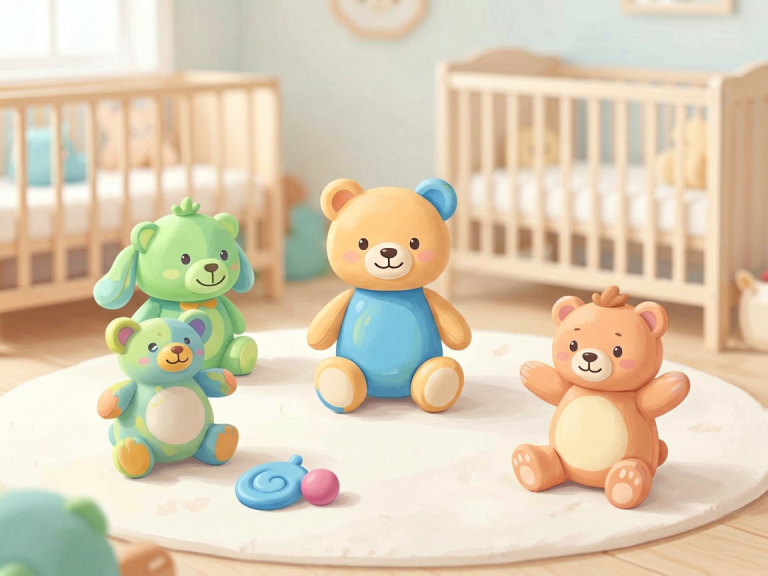
Set up a small, padded area on the floor where your baby can move freely without constant “no’s” or “don’t touch.” Remove cords, sharp table edges, and small choking hazards. Place a few low baskets with safe objects—wooden spoons, soft fabric balls, board books, and silicone teethers. When babies can crawl toward something without barriers, they build confidence and problem-solving skills.
Use Contrast and Texture
Babies’ vision is still developing; high-contrast patterns (black-and-white, bold stripes) catch their attention. Place a bright, crinkly mat or a textured play gym where they can lie on their tummy or sit. Rotate toys weekly to maintain novelty. Remember: a cardboard box with a crinkly paper inside can be more engaging than an expensive electronic toy.
—
Language and Communication Activities
Language development at 9 months is less about words and more about back-and-forth interaction. Your baby is learning the rhythm of conversation long before they say their first real word.
Narrate Your Day
Talk to your baby as you go about routines. “Now I’m putting the red sock on your foot. Can you feel it? It’s soft!” This adds 30,000 words a day to their environment, linking sounds to meanings. Use a singsong, exaggerated tone (parentese) because it holds their attention and emphasizes sounds.
Play “Imitate Me”
Make simple sounds like “moo” or “baa” and pause. Your baby may try to copy you. If they do, repeat it back with a smile. This turn-taking is the foundation of dialogue. Also, label objects during play: “You have the ball. The ball is round. Roll it!” Keep language simple and repetitive.
Read Together Every Day
Choose board books with one or two images per page. Point to a dog and say “dog” clearly. Let your baby pat the page or chew the corner (it’s fine). Repetition of the same book builds neural pathways related to memory and anticipation. By the tenth reading, your baby may squeal when they see the dog picture—that’s learning!
—
Motor Skills Development: From Crawling to Grasping
Physical movement is a primary way 9-month-olds learn about space, gravity, and their own bodies. Support gross and fine motor skills with these simple activities.
Encourage Crawling with Obstacles
Create a mini obstacle course using pillows, a rolled-up towel, or a low ottoman. Place a favorite toy just out of reach on the other side. Your baby will problem-solve how to get over or around the obstacle. This builds core strength and spatial awareness. If your baby army-crawls or scoots, that’s fine—any form of mobility is progress.
Practice the Pincer Grasp
Put two or three large, safe objects like O-shaped cereal (if baby has started solids) or soft, large beads on the highchair tray. Let your baby pick them up with thumb and forefinger. This refines fine motor control, which later leads to writing. Use a clear plastic container with a hole in the lid; show baby how to drop a toy inside. The “clunk” sound reinforces cause-and-effect.
Support Standing and Cruising
If your baby pulls up to stand, provide sturdy furniture (like a low coffee table) and place interesting toys on top. Their leg muscles strengthen as they shift weight. Never force standing—let them move at their own pace.
—
Sensory Play Ideas for Cognitive Growth
Sensory experiences wire the brain. At 9 months, the senses of touch, sound, and sight are learning highways.
Water Play
Fill a shallow plastic bin with a quarter-inch of lukewarm water. Add a few floating bath toys or a clean sponge. Sit your baby on your lap and let them splash. Always supervise closely. They learn that water moves, splashes, and feels wet—a lesson in physics and cause-and-effect.
Sound Exploration
Make a DIY shaker by putting dry rice inside a sealed plastic bottle. Let your baby shake it. They will learn that their action produces a sound. Also, play music with a steady beat (like simple nursery rhymes or world music). Pat their hand to the rhythm. This builds auditory discrimination and early math skills.
Texture Baskets
Fill a shoebox with items of different textures: a piece of faux fur, a smooth stone (large enough not to swallow), a corduroy fabric scrap, a metal measuring spoon. Let your baby explore under your watch. They will mouth, pat, and squeeze—this is how babies “read” the world. Name each texture: “This is soft. This is bumpy.”
—
Social and Emotional Learning Through Connection
Emotional security is the soil in which all learning grows. At 9 months, your baby depends on you to regulate their emotions and understand social cues.
Practice “Serve and Return”
When your baby coos, babbles, or reaches for you, respond immediately with eye contact, a smile, and an imitation of their sound. This “serve and return” interaction builds brain architecture. If they point to a light, say “You see the light! It’s bright.” They learn that their communication matters.
Introduce Simple Peek-a-Boo
Hide your face behind your hands, then reveal it with a big “peek-a-boo!” Vary it: hide a toy under a cloth and let baby pull it off. The surprise and reappearance teach object permanence and joy in shared anticipation. Your laughter reinforces positive social bonding.
Model Emotional Words
When your baby cries, name the feeling: “You are frustrated because you can’t reach the toy. That’s hard.” This teaches emotional vocabulary. Even though they don’t understand the words yet, your calm tone and labeling help them build a foundation for self-regulation.
—
Establishing Routines That Support Learning
Consistency helps a 9-month-old feel safe, which frees up mental energy for exploration. A predictable daily rhythm—wake, feed, play, nap, outdoor time, bath, story, sleep—creates a scaffold for learning.
Include “Free Play” Blocks
Twice a day, allow 20–30 minutes of unstructured time on the floor. No screens, no directed activities. Just your baby and their toys—with you nearby but not leading. This is when they practice crawling, reaching, and experimenting. They learn persistence when a toy rolls away. Let them struggle a little before offering help; that frustration is a teacher.
Incorporate Movement into Transitions
Before diaper changes or meals, sing a little song and do gentle stretches with your baby’s arms. “This is the way we wash our hands, wash our hands, wash our hands…” This links language with sequences, building memory and anticipation.
—
Conclusion: Trust Your Instincts, Follow Your Baby’s Cues
The most important tool you have is not a toy or a curriculum—it is your loving attention. A 9-month-old learns best when they feel safe, seen, and responded to. You do not need to become a full-time educator. Instead, notice what fascinates your baby: the way light reflects off a spoon, the sound of crinkly paper, the feel of your hair. Follow their gaze and talk about it. Let them lead the play for a few minutes each day. Trust that every cuddle, every silly face, every repeated “ba-ba” is wiring their brain for a lifetime of curiosity. This guide offers ideas, but the real curriculum is your baby. Watch, wait, and wonder—and the learning will happen naturally. Enjoy this fleeting, precious stage; your presence is the greatest gift you can give.