Mastering Screen-Free Play: A Comprehensive Guide for Parents
In an era where digital devices are woven into the fabric of daily life, the concept of screen-free play can feel both radical and nostalgic. Yet, as research continues to reveal the profound benefits of unstructured, offline play for children’s cognitive, social, and emotional development, many parents find themselves asking: *How do we actually manage screen-free play in a household saturated with screens?* The answer is not about banning technology altogether—that would be impractical and often counterproductive—but about intentionally designing an environment and a routine that prioritizes and protects unplugged time. This article offers a step-by-step framework for parents and caregivers who want to implement, sustain, and enjoy screen-free play with their children.
—
Understanding the Deep Value of Screen-Free Play
Before diving into strategies, it is essential to grasp *why* screen-free play deserves such deliberate management. When children engage in play that does not involve a screen—whether it is building with blocks, drawing, pretending to be a chef, or exploring the backyard—they are not merely “passing time.” They are developing executive functions such as self-regulation, problem-solving, and creativity. Without the constant external stimulation of a screen, children learn to tolerate boredom, which is actually a fertile ground for imagination. They also practice social skills like negotiation, turn-taking, and empathy when playing with peers or siblings. Neuroscientific studies indicate that unstructured, hands-on play strengthens neural pathways related to attention and impulse control, while excessive screen time has been linked to attention difficulties and reduced language development. Recognizing these benefits gives parents the motivation to invest energy into managing screen-free play, even when it feels challenging.
—
Creating a Play-Friendly Environment That Invites Unplugged Exploration
The physical environment is one of the most powerful tools for managing screen-free play. If a child’s room is cluttered with electronic gadgets and the living area centers around a large television, the default behavior will naturally lean toward screens. To shift that default, parents should intentionally design spaces that *invite* analog play.
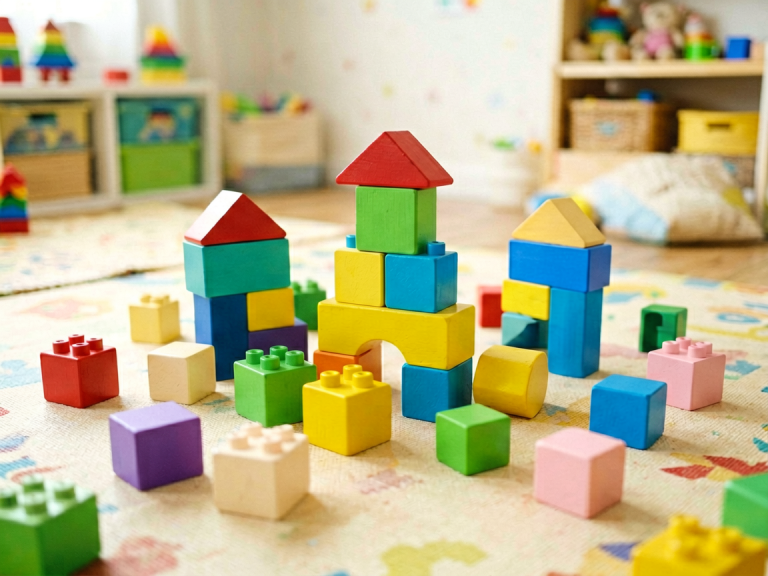
Start by designating a “low-tech zone” in the home—perhaps a corner of the living room or the child’s bedroom. In this zone, keep a rotating selection of open-ended toys: building blocks, art supplies (crayons, paper, clay, watercolors), dress-up clothes, simple puzzles, and board games. Avoid toys that require batteries or make loud electronic sounds; they tend to replicate the passive consumption of a screen. Instead, choose materials that demand active engagement. A set of wooden train tracks, for example, encourages a child to plan, build, and problem-solve. A cardboard box can become a spaceship, a fort, or a store—depending entirely on the child’s imagination.
Equally important is the visual clutter. Store screens out of sight when not in use. If the tablet or remote control is always visible, it becomes a constant temptation. Consider using baskets or closed cabinets for electronic devices. Additionally, make outdoor play accessible: keep a basket of balls, chalk, jump ropes, and gardening tools by the back door. When the environment naturally suggests “let’s go outside” or “let’s build something,” the decision to play without screens becomes easier and more automatic.
—
Setting Clear Boundaries and Predictable Routines
Children thrive on structure, and managing screen-free play requires clear, consistent boundaries around screen time itself. Without a framework, screen use tends to creep into every free moment. The American Academy of Pediatrics recommends that parents create a “media plan” that specifies when, where, and for how long screens can be used. This plan should be discussed with children and posted visibly so that expectations are transparent.
One effective approach is to designate specific “screen-free windows” in the daily schedule. For example, mornings before school, the first hour after school, and the hour before bedtime can be declared screen-free. During these windows, the house operates without tablets, televisions, or smartphones. This is not a “punishment” but a structural decision that protects time for imaginative play, reading, and family interaction. For younger children, visual timers can help them understand that screen time has a clear end. For older children, involve them in negotiating the boundaries so they feel a sense of ownership.
Another key boundary is the *location* of screens. Keeping screens out of bedrooms entirely—especially at night—is one of the most impactful steps a family can take. Bedrooms should be sanctuaries for sleep and calm, not for gaming or browsing. Similarly, mealtimes and car rides (unless on a long journey) should be designated screen-free. These consistent rules remove the daily negotiation and allow children to anticipate and accept that during certain times, play must be device-free.
—
Modeling and Participating: The Parent’s Role in Unplugged Play
Children learn far more from what parents *do* than from what they *say*. If a parent is constantly glancing at a smartphone or watching television during family time, the message is clear: screens are more interesting than real-life connection. To manage screen-free play effectively, parents must become active participants, at least some of the time. This does not mean you have to play with your child every minute—independent play is crucial—but it does mean that you model the joy of being unplugged.
Set aside “device-free hours” for yourself as well. During those times, put your phone in another room, turn off notifications, and engage in an activity that demonstrates attention and presence. You might read a physical book, cook a meal without a tablet propped up, or work on a puzzle alongside your child. When you join in your child’s play—building a couch fort, painting a picture, or simply lying on the grass and looking at clouds—you are not only creating memories but also validating the value of that experience. Moreover, by showing that *you* can find satisfaction without a screen, you provide a powerful social script for your child to internalize.
When you cannot play alongside, narrate your own analog activities: “I’m going to garden for a while—I love the feeling of dirt on my hands.” This simple modeling reinforces that adulthood doesn’t have to mean constant digital engagement.
—
Navigating Resistance and Common Challenges
Even with the best environment and routines, children will resist screen-free time. Screens are designed to be addictive, and withdrawal symptoms are real. Pouting, whining, boredom complaints, and arguments are normal. Parents must anticipate this and have a plan for managing resistance without giving in.
First, normalize boredom. Tell your child, “It’s okay to feel bored. Boredom is your brain’s way of saying, ‘Time to get creative!’” Keep a list of “boredom busters”—activities that are easy to start: build a fort, make a puppet show, bake cookies, do a science experiment, or start a nature collection. When a child complains of boredom, you can point to the list rather than offering a screen solution. Over time, children learn to tolerate the initial discomfort and often discover their own ideas.
Second, avoid using screens as rewards or punishments. When screen time is contingent on behavior, it becomes even more desirable and emotionally charged. Instead, treat screen time neutrally, as just one of many possible activities. Consistency is key: if you say “no screens until after dinner,” stick to it even if there is a meltdown. The meltdown will likely shorten after the first few times if the rule is unyielding.
Third, consider the social pressure from peers. If your child’s friends all play video games after school, your child may feel left out. In those cases, talk openly about differences in family rules, and invite friends over for screen-free playdates. Offer exciting alternatives: a backyard obstacle course, a craft project, or a scavenger hunt. When the screen-free play is genuinely fun and social, the child will begin to value it on its own terms.
—
Sustaining the Habit: Long-Term Strategies for Family Culture
Managing screen-free play is not a one-time intervention; it is an ongoing commitment that evolves as children grow. To make it last, integrate screen-free play into the family’s identity. For example, establish a weekly “Family Unplugged Night” where everyone—including parents—puts away all devices for two hours and does something together: board games, cooking a special dinner, stargazing, or storytelling. Celebrate these nights and talk about them as highlights of the week.
Another long-term strategy is to cultivate outdoor play. Nature is a natural antidote to screens. Make weekend hiking, biking, or park visits a regular part of the family rhythm. Even in urban settings, a small balcony with potted plants can become a mini nature lab. Encourage risky play (within safe limits)—climbing trees, balancing on logs, building dens. Such activities provide sensory input that screens cannot replicate and build physical confidence.
Finally, stay informed about your child’s digital life so that screen-free times feel balanced rather than depriving. The goal is not to eliminate screens but to ensure that play—in all its messy, tactile, imaginative glory—remains a central, cherished part of childhood. By managing the environment, setting clear boundaries, modeling engagement, and navigating challenges with patience, parents can create a home where screen-free play thrives naturally. In doing so, they give their children the greatest gift: the freedom to discover the world—and themselves—without a screen in between.