The Joyful Learner: A Parent’s Guide to Supporting Learning at Home for Your 6-Year-Old Girl
Introduction
At age six, a girl’s world is expanding rapidly. She is moving from the purely imaginative play of preschool toward more structured learning, yet she still craves creativity, movement, and connection. For parents, supporting learning at home at this stage is not about drilling flashcards or enforcing rigid schedules—it’s about weaving discovery into daily life, honoring her natural curiosity, and building a foundation of confidence. This guide offers practical, research-informed strategies tailored specifically to the developmental needs and interests of six-year-old girls, helping you turn your home into a vibrant, low-pressure learning environment.
—
Understanding the 6-Year-Old Mind: Key Developmental Milestones
Before diving into activities, it is essential to know what is happening inside your daughter’s brain and body. At six, most girls experience:
- Growing attention spans (15–20 minutes for focused tasks, but still easily distracted).
- A blossoming sense of self – she may compare herself to friends and want to be “good” at things.
- Stronger fine motor skills – writing and drawing become more controlled, though letter reversals (e.g., writing “b” for “d”) are normal.
- A love for rules and routines – she finds comfort in predictability and may even invent her own games with complex rules.
- Increased social awareness – friendships matter deeply, and she may enjoy cooperative rather than competitive activities.
Recognizing these milestones helps you set realistic expectations. For example, if she grows frustrated with handwriting, break it into short, playful sessions rather than long drills. If she wants to play “school” with stuffed animals, lean into it—this is her way of processing new information.
—
Creating a Learning-Friendly Home Environment
Your physical space can either invite or discourage exploration. You don’t need a dedicated classroom; instead, think about “learning zones” that are accessible and inviting.
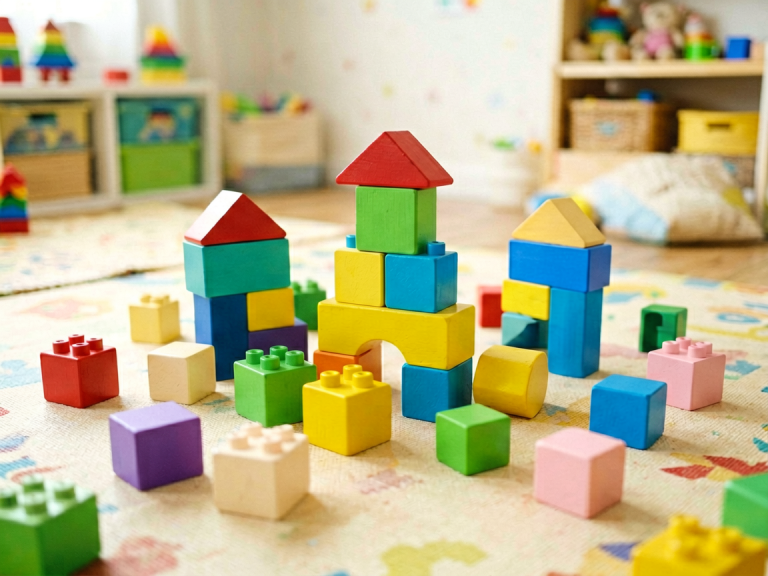
Keep materials within reach. Place a basket of books, a small whiteboard, colorful markers, puzzles, and simple math manipulatives (like counting bears or building blocks) in a low, open shelf. When your daughter can choose her own tools, she feels empowered.
Designate a calm corner. Six-year-old girls can become overwhelmed by noise and clutter. A small beanbag or rug near a window, with a basket of quiet activities (play dough, stencils, sticker books), gives her a retreat where she can self-regulate.
Use the walls wisely. Hang a world map, an alphabet chart, or a number line at her eye level. Change these visuals monthly to keep them fresh—maybe a weather chart in spring, a life-cycle of a butterfly in summer.
Incorporate real-life learning. Let her help measure ingredients while baking (math), sort laundry by color (classification), or write the grocery list (literacy). The kitchen, living room, and even the bathtub can become mini classrooms.
—
Fun and Effective Activities for Literacy and Numeracy
At six, girls often enjoy narrative, pattern, and hands-on discovery. Here are activities that feel like play yet build essential skills.
Literacy: Beyond Phonics
- Storytelling with puppets. Use socks, paper bags, or simple finger puppets. Ask her to retell a favorite story or create a new one. This develops sequencing, vocabulary, and narrative structure.
- “I Spy” with sounds. Instead of colors, say, “I spy something that starts with /sh/” – this sharpens phonemic awareness without a worksheet.
- Word hunts. Write 5–6 sight words on sticky notes and hide them around the room. She finds them, reads them aloud, then uses each in a sentence.
- Journaling with pictures. Give her a blank notebook. She can draw a picture and you help her write one or two sentences about it. Over time, she will start writing independently.
Numeracy: Moving Beyond Counting
- Board games with dice. Games like “Chutes and Ladders” or “Zingo!” reinforce counting, one-to-one correspondence, and taking turns.
- Patterns in nature. Go for a walk and collect leaves, rocks, or flowers. Sort them by size, color, or texture. Then create repeating patterns (e.g., leaf, rock, leaf, rock).
- Cooking fractions. Double a simple muffin recipe together. Use measuring cups to explore halves and quarters – she can see and touch the math.
- “How many steps?” Count steps from the sofa to the kitchen, then compare it to the number of steps to the front door. Introduce estimation: “Do you think it’s more or less than 20?”
—
Nurturing Creativity and Curiosity
Six-year-old girls are natural question-askers. “Why is the sky blue?” “How do birds fly?” Instead of giving a quick answer, turn it into an investigation.
Set up a “wonder table.” Place a small tray near her learning area. Each week, put a new object there: a pinecone, a magnifying glass, a magnet, a feather. Leave a notebook so she can draw what she observes or write a question.
Encourage open-ended art. Provide collage materials, clay, watercolors, and recycled boxes. Avoid coloring books that limit creativity – instead, let her invent her own creatures, buildings, or vehicles. Ask questions like, “Tell me about your invention – what does it do?”
STEM for girls. Many six-year-old girls love building and construction. Wooden blocks, LEGO Duplo, or magnetic tiles are excellent. Challenge her: “Can you build a bridge that holds this toy car?” Or introduce simple coding concepts with a “code-and-go” mouse toy. Representing female scientists and engineers in books (e.g., *Rosie Revere, Engineer*) also reinforces that girls belong in STEM.
—
Building Executive Function Skills Through Play
Executive functions – self-control, working memory, and flexible thinking – are better predictors of school success than early academic skills. Fortunately, they develop naturally through playful interactions.
Practice self-control with “freeze dance.” Play music and have her dance. When the music stops, she must freeze like a statue. This builds inhibitory control.
Strengthen working memory with “I went to the market.” Sit in a circle with two or three family members. The first says, “I went to the market and bought an apple.” The next repeats that and adds an item. Gradually increase the list. This is fun and challenging.
Encourage flexible thinking. Ask “What else could this be?” while holding a paper towel tube (a telescope, a magic wand, a trumpet). Or play “opposites” – say a word and she says the opposite (hot/cold, big/small).
Teach emotional regulation. Six-year-old girls can have big feelings about losing a game or making a mistake. Use a “calm-down jar”: fill a clear bottle with water, glitter, and glue. When she is upset, she shakes it and watches the glitter settle – a calming visual metaphor for breathing.
—
Maintaining a Positive and Stress-Free Learning Atmosphere
The most powerful tool you have is your own attitude. If you approach “learning at home” with joy and patience, she will absorb that energy.
Follow her lead. If she is tired or distracted, stop. Learning is most effective when she is engaged, not when she is forced. A 10-minute session that leaves her wanting more is better than a 30-minute struggle.
Celebrate effort, not outcome. Instead of “You’re so smart!” say “I noticed you worked really hard on that puzzle – you kept trying even when it was tricky.” This builds a growth mindset.
Avoid comparisons. Maybe her friend is already reading chapter books, while your daughter still enjoys picture books. At six, developmental ranges are wide. Trust her unique timeline.
Involve her interests. If she loves unicorns, use unicorn stickers for math problems. If she adores ballet, practice counting in groups of four (like beats in music). When learning connects to her passions, it feels relevant.
—
The Role of Parental Involvement: Tips for Balance
You are your daughter’s first and most important teacher. But that does not mean you need to be a “homeschool parent.” Small, consistent moments matter more than grand plans.
- Set a routine, not a schedule. For example, after school snack time is “story time,” and before bed is “journal time.” Routine reduces resistance.
- Read aloud every day. Even if she can decode simple books, continue reading chapter books slightly above her level. This builds vocabulary, comprehension, and a love of stories.
- Limit screen time, but use it wisely. High-quality educational apps (like those from Khan Academy Kids or PBS Kids) can reinforce skills. Watch together and discuss what she learned.
- Take care of yourself. A stressed parent cannot pour into a child. Give yourself grace – some days will be messy, and that is okay.
—
Conclusion
Supporting learning at home for your six-year-old girl is not about producing a prodigy; it is about raising a confident, curious, and resilient learner. By creating a warm environment, embracing playful activities, and respecting her developmental stage, you give her the greatest gift: the belief that learning is fun and that she is capable. Each small moment – a shared story, a silly math game, a wonder-filled walk – sows the seeds for a lifetime of joyful discovery. Enjoy the journey, because these years pass quickly, and the memories you build together are the foundation of her educational future.