Mastering the Art of Independent Play: A Parent’s Guide to Nurturing Self-Directed Fun
—
Introduction
In the bustling landscape of modern parenting, where schedules overflow with structured activities, screen time negotiations, and constant supervision, the concept of “independent play” can feel both elusive and daunting. Yet learning how to manage independent play is not merely a convenience for weary parents; it is a cornerstone of healthy child development. Independent play — the ability for a child to engage in self-directed, uninterrupted activity without adult involvement — fosters creativity, problem-solving, emotional regulation, and a sense of autonomy. However, the road to achieving it is rarely straight. Children may resist, cling, or demand constant attention, leaving parents unsure how to step back without feeling neglectful. This article offers a comprehensive, evidence-based framework for managing independent play effectively, from setting up the physical environment to troubleshooting common hiccups. By the end, you will have a clear roadmap to transform your child’s playtime — and reclaim a few moments of peace for yourself.
—
Why Independent Play Matters
Before diving into tactics, it is essential to understand the profound value of independent play. Research in developmental psychology consistently highlights that unstructured, solitary play is not “time-filler” but a crucial learning laboratory. When a child builds a block tower alone, they are experimenting with physics and balance. When they narrate a story to stuffed animals, they practice language and narrative sequencing. When they fail at a puzzle and try again, they build resilience and executive function.
Moreover, independent play teaches children to tolerate boredom — a skill that is becoming endangered in an era of instant gratification. Boredom often sparks creativity; it forces the brain to invent, imagine, and explore internal resources. Children who master independent play are better equipped to self-soothe, manage frustration, and transition between tasks. For parents, the benefit is clear: a child who can play independently for 15–30 minutes allows the adult to complete chores, work, or simply breathe. But the benefits are reciprocal. When a parent manages independent play with intention rather than guilt, the relationship becomes less about constant demand and more about mutual respect for each other’s space.
—
Setting the Stage: Creating an Inviting Play Environment
One of the most effective ways to manage independent play is to prepare the environment *before* you need it. A well-designed play space reduces the need for adult intervention and invites the child to explore on their own.
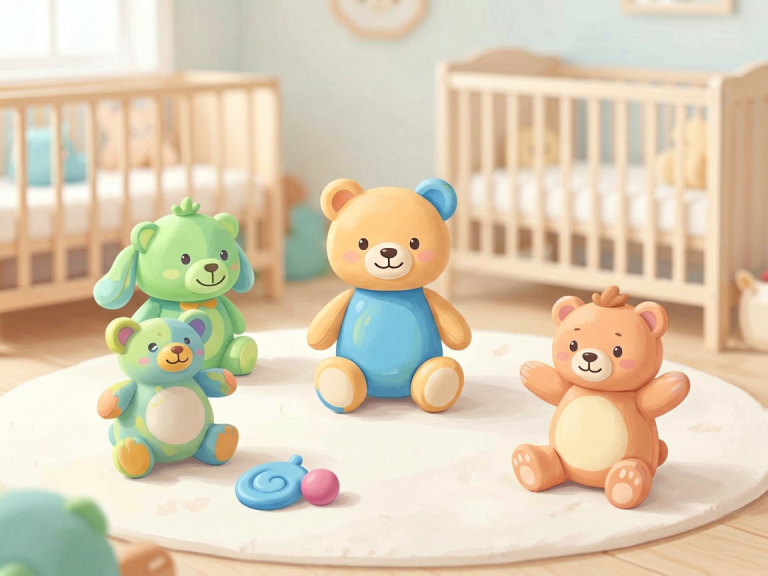
Choose a safe, contained area. This could be a corner of the living room, a playpen for younger toddlers, or the child’s bedroom for older children. The key is that the space is visible to you but not so close that you become a distraction. For babies and toddlers, a clear, gated area with a soft mat and a few carefully selected toys works best. For preschoolers, a low shelf with open bins allows them to choose and return items independently.
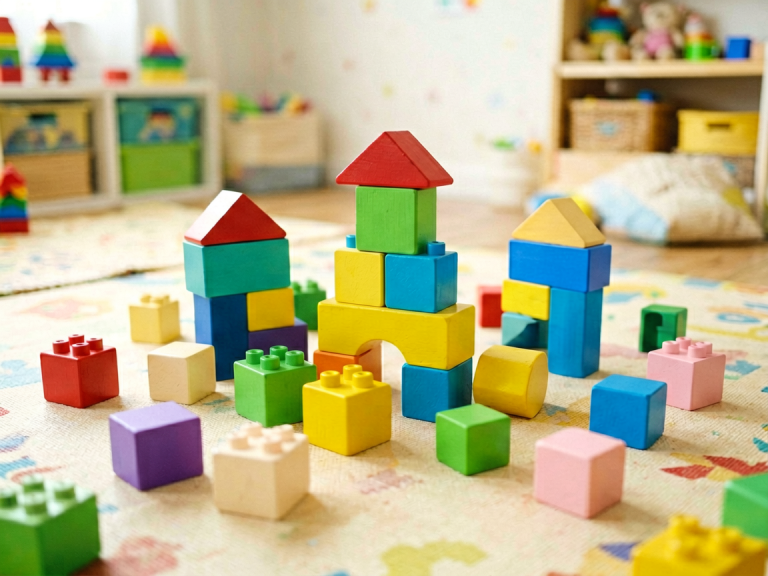
Rotate toys regularly. A common mistake is to offer too many options at once, which overwhelms the child and leads to aimless wandering. Instead, keep only 5–8 age-appropriate toys accessible at a time. Every week or two, swap them out with another set from storage. This “toy rotation” keeps items novel and interesting, encouraging deeper engagement. For example, on Monday you might offer wooden blocks, a set of animal figures, and a stacking ring; next week, swap in a shape sorter, a set of plastic dinosaurs, and a simple puzzle.
Make the space a “yes” zone. Remove items that are off-limits (like breakable vases or electronics) so you don’t have to constantly say “no.” When the environment is safe and permissive, the child feels free to explore without fear of reprimand or interruption. This freedom is the bedrock of independent play.
—
The Gradual Approach: Guiding Your Child Toward Solitary Play
You cannot simply deposit a child in a room and expect them to play alone, especially if they are accustomed to constant interaction. Independence is built gradually, like a muscle that strengthens over time.
Start with parallel play. Sit nearby and engage in your own quiet activity (reading, folding laundry) while the child plays. Your presence provides security without direct involvement. Over several sessions, slowly increase the physical distance. Move from sitting beside them to sitting a few feet away, then across the room, then leaving the room for brief intervals.
Set a visible timer. Young children have a weak sense of time. Use a visual timer (such as the Time Timer app or an hourglass) so they can see how long independent play will last. Begin with very short sessions — even 2–3 minutes for a one-year-old, gradually increasing to 10, 15, or 20 minutes as they grow. Announce cheerfully: “Mama needs to do dishes for five minutes. When the timer rings, we’ll play together again!” This creates a predictable container that feels safe rather than abandoned.
Use a “special” toy. Introduce one toy that only appears during independent play sessions. This could be a set of magnetic tiles or a felt play mat. The novelty and exclusivity make the activity desirable. Over time, the child associates the “special toy” with the rewarding experience of self-directed time.
—
Timing and Routines: When and How Long to Encourage Independent Play
Timing matters immensely. Expecting a hungry, tired, or overstimulated child to play alone is setting yourself up for failure. Instead, schedule independent play sessions during “alert windows” — after a meal and rest, when energy is stable but not hyperactive.
Build it into daily routines. The most effective way to manage independent play is to make it a non-negotiable part of the day, like brushing teeth or story time. For example, every morning after breakfast, you might say: “It’s time for our play-pause. You’ll play by yourself for 15 minutes while I read my book. Then we’ll go to the park.” Consistency trains the child’s brain to anticipate and accept the structure.
Respect natural endings. Watch for signs that your child is done — frustration, aimlessly wandering, or repeatedly calling for you. Pushing too long backfires. End on a positive note, even if the session was shorter than planned. Praise effort: “You did such a great job playing with your cars by yourself for eight minutes! I’m so proud.” The goal is not a specific length but a positive association.
—
Troubleshooting Common Challenges
Even with the best preparation, difficulties arise. Here are three frequent obstacles and how to navigate them.
“My child cries the moment I leave.” This is normal separation anxiety. Instead of vanishing, use the “I’ll be right back” technique. Tell them you are going to the kitchen for a drink and will return in one minute. Actually return in one minute. Gradually extend the time. Also, ensure you are not responding to every minor whine — sometimes a child cries out of habit, not distress. Wait 20–30 seconds before re-entering. Often they will self-soothe.
“My child plays for two minutes then calls for me.” This indicates either boredom (rotate toys!) or a need for connection. Try the “check-in” method: after starting independent play, return every few minutes to offer a quick, non-verbal connection — a smile, a thumbs-up, a touch on the shoulder — then leave again without starting a conversation. This reassures the child that you are nearby but not available to entertain.
“My child only wants to play with me.” This can stem from a lack of confidence or a strong attachment. Combat it by scheduling dedicated one-on-one playtime earlier in the day. When the child feels “filled up” with connection, they are more willing to separate. Also, model independent play yourself: sit nearby and completely ignore the child while reading or crafting. Children learn by imitation.
—
The Parent’s Role: Observation and Non-Interference
The hardest part of managing independent play is often resisting the urge to intervene. It is instinctive to want to “improve” a child’s play — to show them the correct way to fit a puzzle piece or to redirect them when they seem stuck. But interference can undermine the very independence you are trying to build.
Observe without comment. Sit quietly and watch. Notice what fascinates your child — the way they line up cars, the stories they whisper to dolls. This observation not only delights you but also gives you clues for future toy rotations. If your child is stuck, give them at least two minutes of struggle before offering help. Often they will solve the problem themselves, building confidence.
Resist the “look at me!” trap. When a child proudly shows off their creation, a simple “I see you built a tall tower!” is enough. Avoid effusive praise that creates reliance on your validation. Let the *process* be the reward.
Know when to step in. There are legitimate reasons to interrupt: safety risks, emotional meltdowns that do not resolve after a minute, or a child who is clearly asking for help with a specific task. Use a calm, neutral voice. “I see the Lego piece won’t click. Do you want me to show you a trick?” Then step back again immediately.
—
Conclusion
Managing independent play is not about forcing solitude; it is about cultivating an environment and a relationship where a child feels safe enough to explore their own inner world. It requires patience, consistency, and a willingness to let go of perfection. The beginning may be bumpy — your child may call for you five times, or the 15-minute session may collapse into two. That is okay. Every small success builds a foundation. Over weeks and months, you will notice shifts: the child who once clung to your leg now cheerfully waves as you head to the kitchen; the block towers grow taller; the quiet humming replaces the constant “Mommy, watch me!”.
By learning how to manage independent play, you are giving your child one of the greatest gifts: the knowledge that they can entertain themselves, solve problems, and find joy within. And you are giving yourself permission to step back and breathe, knowing that your child is thriving in their own small world — just a few feet away, but beautifully, wonderfully independent.