The Art of Letting Go: A Parent’s Guide to Fostering Independent Play
In the bustling rhythm of modern parenting, it’s easy to fall into the role of a full-time playmate. We feel the pressure to constantly entertain, teach, and engage our children, often equating our presence with good parenting. Yet one of the most powerful gifts we can offer our little ones is the ability—and the space—to play alone. Independent play is not about neglect; it is about empowerment. It is the quiet workshop where creativity, problem-solving, and self-regulation are forged. But how do we, as parents, step back without stepping away? This guide offers practical, evidence-based tips to help you cultivate a culture of independent play in your home, tailored to different ages and temperaments.
Why Independent Play Matters: The Developmental Goldmine
Before diving into the “how,” it’s essential to understand the “why.” Independent play is far more than a convenient way for parents to fold laundry or drink coffee while it’s still hot. It is a critical developmental activity that builds foundational skills for life.
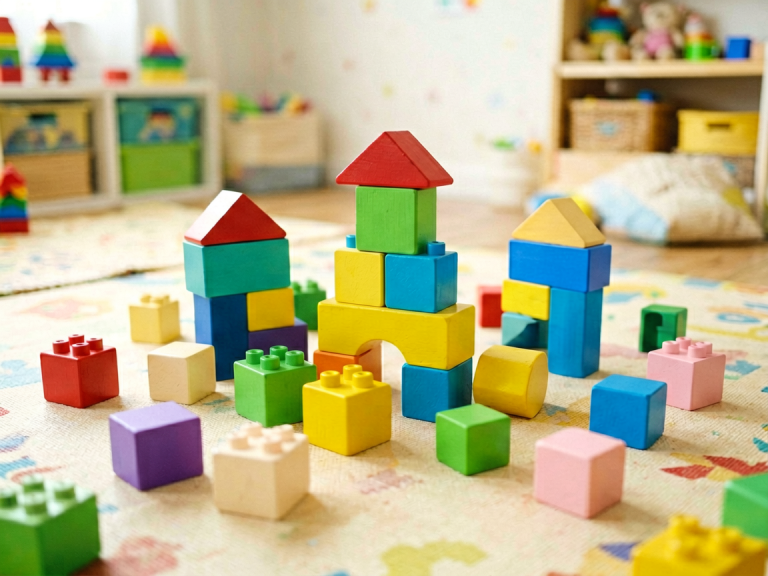
When a child plays alone, they become the architect of their own world. They decide the rules, the narrative, and the outcome. This autonomy fosters intrinsic motivation—the drive to do things for their own satisfaction rather than for external rewards. A toddler stacking blocks and watching them fall learns cause and effect, persistence, and frustration tolerance, all without a parent stepping in to “fix” the tower. An older child constructing a fort from couch cushions practices spatial reasoning, resourcefulness, and the ability to delay gratification.
Moreover, independent play is a natural antidote to the over-scheduled, screen-saturated childhood of today. It gives the brain downtime, which is essential for memory consolidation and creative thinking. Research from pediatric neuroscience suggests that unstructured play, especially solo play, strengthens the prefrontal cortex—the area responsible for executive functions like impulse control, focus, and emotional regulation. In a world that demands constant connectivity, teaching a child to be comfortable with their own company is a form of mental resilience.
Setting the Stage: The Environment as the Silent Teacher
You cannot force independent play, but you can design an environment that invites it. Think of your home as a stage where the props are carefully curated to spark curiosity and reduce dependency on you.
1. Create a “Yes” Space
A child who hears “no” every time they touch something will quickly learn to seek your guidance. Instead, carve out a small area—a corner of the living room, a section of their bedroom—where everything is allowed. For a toddler, this means a low shelf with a few open-ended toys: wooden blocks, a set of nesting cups, a basket of scarves. For an older child, it might be a writing desk with paper, crayons, and a lamp, or a cozy nook with pillows and a stack of picture books. The key is containment and safety. When a child knows the boundaries, they feel free to explore within them.
2. Rotate Toys, Don’t Overwhelm
Too many toys can be counterproductive. A cluttered play space leads to a cluttered mind, and a child may flit from one thing to another without engaging deeply. The principle of “less is more” applies here. Keep a small selection of toys available (say, 8–10 items), and rotate them every two weeks. This novelty rekindles interest without the need for parent-led stimulation. For example, put away the Duplo blocks this week and bring out the wooden train set. The next week, swap the train for a set of animal figures. This simple habit can extend a child’s ability to play alone from five minutes to twenty.
3. Provide Open-Ended Materials
Toys that have a single purpose—a battery-powered robot that only walks forward, a puzzle with fixed pieces—tend to short-circuit creativity. In contrast, open-ended materials like blocks, clay, sand, water, fabric scraps, and cardboard boxes offer infinite possibilities. A single cardboard box can become a spaceship, a cave, a car, or a castle. When a child uses their imagination to transform an object, they are engaging in high-level cognitive work. Parent involvement is minimal; the material does the heavy lifting.
Age-Appropriate Strategies: Meeting Your Child Where They Are
Not all independent play looks the same. A baby’s solo play is quite different from a kindergartner’s. Tailoring your expectations and strategies to your child’s developmental stage is crucial for success.
Infants (0–12 months): The Seeds of Solitude
Even newborns can engage in brief periods of independent play. Place them on a play mat under a simple black-and-white mobile. They will gaze, track, and bat at objects—this is their version of solo play. As they grow, offer a single rattle or a teething ring. The goal is not to keep them busy, but to let them explore without immediate intervention. If they start to fuss, wait a few seconds before swooping in. They may just be vocalizing, not truly distressed. This tiny pause teaches them that they can self-soothe for a moment.
Toddlers (1–3 years): The Emergence of Ownership
Toddlers are natural explorers, but their attention spans are short—often only 3–5 minutes at first. Start small. Sit nearby (in the same room, but not interacting) while they play. Read your own book or sip tea. When they look at you, offer a warm smile and then look away. This “parallel presence” gives them the security of your proximity while signaling that you are not available to entertain. Gradually increase the distance. If they call for you, respond verbally (“I’m right here, sweetie!”) but resist the urge to come over and intervene. Over time, they will learn that you are a safe base, not a playmate.
Preschoolers (3–5 years): The Age of Narrative
At this stage, children begin to create elaborate stories during play. They might line up toy cars and “drive” them to the zoo, or dress up a doll and put it to bed. This is prime independent play territory. To encourage it, provide “invitations to play.” For example, set out a small tray with toy dinosaurs, a few plastic trees, and some blue fabric to represent water. Say, “Look what I found! Would you like to play with this while I make lunch?” Then leave it. Do not give instructions. The child will decide what to do. If they get stuck, you can offer a gentle prompt from across the room: “I wonder where the dinosaurs are going today?” and then go back to your task. This keeps the play child-directed.
School-Age Children (6+ years): Deep Focus and Project-Based Play
Older children can engage in sustained independent play for 45 minutes or more, especially if it involves a project. Encourage hobbies like drawing, coding (age-appropriate apps), building with advanced construction sets, sewing, or nature journaling. The key is to provide resources (books, materials) and then step away. Respect their concentration. If they are deeply immersed in building a LEGO castle, do not interrupt to ask about homework. Instead, schedule a check-in time after their play is complete. This teaches them that their work (play is work for children) is valued.
Tips for Encouraging Independent Play (Without Guilt)
Even with the best environment and age-appropriate setup, parents often struggle with two things: their own guilt and their child’s resistance. Here are practical strategies to overcome both.
1. Start with a “Connection First” Routine
Children are more willing to play alone when they feel emotionally full. Before asking them to play independently, spend 10–15 minutes of focused, one-on-one time with them. This could be reading a book, giving a piggyback ride, or simply sitting together and talking about their day. Think of it as filling their emotional tank. A well-connected child will feel secure enough to venture into solo play.
2. Use a Visual Timer
Many young children have a distorted sense of time. A simple timer (analog is best, as digital numbers are abstract) can help them understand how long they are expected to play alone. Say, “Mommy is going to unload the dishwasher for ten minutes. When the red on the timer is all gone, I’ll be done. You can play with your blocks until then.” Start with a very short duration (even 3 minutes for a toddler) and gradually lengthen it. This teaches predictability and builds confidence.
3. Name the Feeling
Sometimes children resist independent play because they feel lonely or bored. Validate the feeling without solving it. “I know it’s hard to play by yourself sometimes. Boredom is a funny feeling, isn’t it? But it’s okay to feel bored—sometimes that’s when the best ideas come.” Then gently redirect: “I wonder what your teddy bear would like to do right now?” This normalizes the discomfort of solitude and reframes boredom as a creative opportunity.
4. Be Boring
This may sound counterintuitive, but one of the best ways to encourage independent play is to make yourself less interesting. If you are always available to entertain, why would a child entertain themselves? When your child asks you to play, you can say, “I’d love to, but I can’t right now. I need to do the dishes. But you can play near me, and I’ll watch you from here.” If they persist, offer a choice: “You can play with your cars, or you can help me fold laundry—which would you prefer?” Often, they will choose the cars.
5. Embrace the Mess (Within Reason)
Independent play is rarely tidy. A child deep in imaginative play may dump a whole bin of Legos on the floor, or paint a paper that turns into a soggy mess. Resist the urge to clean up immediately. The process of creating and destroying is part of the learning. Set clear cleanup expectations afterward (e.g., “When the timer goes off, we’ll put everything back in the bin together”), but during play, let the chaos reign. Your tolerance for mess directly correlates with your child’s freedom to explore.
Overcoming Common Challenges
Even with the best intentions, hurdles will arise. Here are solutions for the most common roadblocks.
Challenge: “My child only wants to watch screens.”
Screen time is often the enemy of independent play because it is passive and overstimulating. Set firm boundaries: no screens during independent play time (with rare exceptions for quiet audiobooks, which can fuel imaginative play). Instead, offer a “boredom box”—a container filled with random objects like paper towel tubes, stickers, buttons, and clothespins. Sometimes the most mundane items spark the most creative play.
Challenge: “My child follows me everywhere and whines.”
This is a sign of separation anxiety or a need for more connection. Return to the “connection first” routine. Also, consider the environment. Is their play space inviting? If they are following you into the kitchen, bring a small basket of toys there and let them play at your feet. You can be near while still not actively playing. Gradually, they will gain confidence to wander back to their room.
Challenge: “I feel guilty if I’m not playing with them.”
Guilt is a powerful emotion, but reframe it: by letting your child play independently, you are teaching them self-reliance, creativity, and the ability to recharge alone—skills that will serve them for a lifetime. You are not neglecting them; you are giving them the gift of space. Moreover, your own downtime (even 15 minutes) makes you a calmer, more present parent when you do engage. Remember, you are a parent, not a cruise director.
Conclusion: The Long Game of Solitude
Independent play is not a skill that appears overnight. It is cultivated through patience, consistency, and trust—trust that your child is capable, and trust that you are still a good parent even when you are not the center of their game. There will be days when your child plays for an hour straight, and days when they can barely manage two minutes. Both are normal. The goal is not perfection but persistence. Over time, as you step back, you will witness the quiet miracle of your child discovering their own inner world—a world rich with stories, problems to solve, and joys that need no audience.
So set the stage, fill the connection tank, and then step into the wings. The show your child performs for themselves might just be the most important performance of their childhood. And you, by letting it unfold, become the most supportive audience they could ever have.