The Art of Independent Play: 10 Common Mistakes Parents Make and How to Avoid Them
In the bustling landscape of modern parenting, few concepts are as celebrated—and as misunderstood—as independent play. We know it builds creativity, problem-solving skills, and emotional resilience. We read the articles, pin the Pinterest boards, and nod along with experts who tell us that children need unstructured, solo playtime. Yet, for all our good intentions, many of us unwittingly sabotage this precious process. We hover too close, intervene too soon, or set expectations that crush the very initiative we hope to nurture. The truth is, fostering independent play is less about forcing solitude and more about creating the conditions for it to bloom naturally. To help you avoid the most common pitfalls, I’ve identified ten critical mistakes parents make when attempting to encourage independent play—and, more importantly, how to correct them.
Mistake #1: Over-Scheduling Every Minute of the Day
One of the most pervasive mistakes in modern parenting is the belief that a child’s time must be perpetually filled with structured activities—music lessons, sports practice, playdates, and enrichment classes. While these have their place, they leave no room for the quiet, unscripted hours that independent play requires. When a child’s calendar is jam-packed from morning to night, they never learn to entertain themselves. Instead, they become dependent on external stimulation and adult direction. The fix is simple but countercultural: protect unscheduled time. Block out at least one or two hours each day where absolutely nothing is planned. Let your child sit with the open space. Yes, they may initially complain of boredom—but that boredom is the fertile ground from which true independent play springs.
Mistake #2: Interrupting the Flow Too Quickly
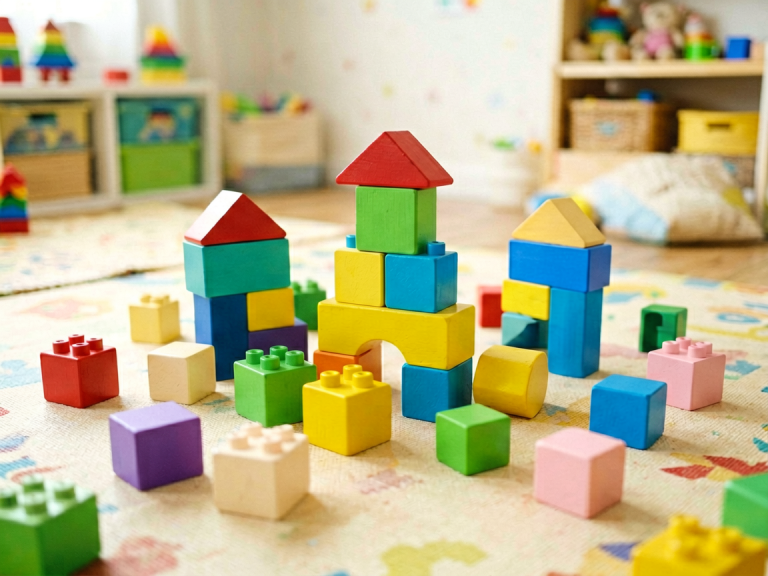
You’ve probably done it: your child is quietly stacking blocks, and you notice they’re starting to wobble. So you lean in and say, “Careful, honey, maybe put the big block on the bottom!” Or they’re drawing a lopsided house, and you suggest, “Why don’t you add a chimney?” In that moment, you think you’re helping. In reality, you’ve just hijacked their cognitive process. Independent play is not about the final product; it’s about the journey of trial, error, and discovery. When you interrupt, you signal that their way isn’t good enough and that they need your approval to continue. To avoid this, practice the art of quiet observation. Sit nearby with a book or your own quiet activity. Resist the urge to comment unless your child explicitly asks for help. Even then, wait a few seconds before responding; often, they will solve the problem themselves if given a moment.
Mistake #3: Providing Too Many Toys at Once
We live in an age of abundance. Toy bins overflow, shelves groan under the weight of plastic gadgets, and the playroom resembles a small retail store. Paradoxically, this surfeit of options stifles independent play. When a child faces dozens of choices, they become overwhelmed and flit from one toy to the next without deep engagement. Instead of building a castle with blocks, they dump out the Lego bin, then abandon it for a puzzle, then wander to the train set. The result is shallow, fragmented play that fails to develop concentration. The remedy is rotation. Keep only a small selection of toys—perhaps five to seven categories—available at any given time. Store the rest out of sight. Every few weeks, swap them out. A child with fewer options will dig deeper into the ones they have, discovering new ways to use them and building sustained focus.
Mistake #4: Expecting Perfection or “Productivity”
It’s tempting to admire the elaborate Lego structures or the beautifully watercolored pictures that other parents post on social media. But independent play should not be judged by its output. When you expect every play session to result in a masterpiece, you inadvertently pressure your child to perform rather than explore. They may become frustrated or give up if their creation doesn’t meet imaginary standards. Worse, they may stop playing independently altogether because the stakes feel too high. Instead, celebrate the process. Notice when your child is deeply absorbed—even if what they’re doing seems silly or messy. A child who spends forty minutes pretending a cardboard box is a spaceship is engaged in rich cognitive work, regardless of whether anything “productive” emerges. Your job is to value that absorption, not the end result.
Mistake #5: Using Screens as a Substitute for Independent Play
When you need to cook dinner or take a work call, handing your child a tablet can feel like a lifesaver. But screen time—even educational apps—is fundamentally different from independent play. Passive consumption does not require the same mental muscles as active creation. A child watching a video is entertaining by someone else; a child building a fort is entertaining themselves. The more screens replace independent play, the less capable children become at generating their own ideas and managing their own emotions. If you must use screens, set strict limits and treat them as a separate category from play. Then, deliberately carve out screen-free zones and times. The transition may be hard—expect complaints—but your child’s capacity for independent play will steadily increase once the crutch of the screen is removed.
Mistake #6: Over-Protecting and Under-Preparing the Environment
Safety is paramount, but there is a fine line between keeping a child safe and sterilizing their play environment so thoroughly that no risk, challenge, or discovery remains. Some parents hover because they fear any minor injury or mess. They remove all small parts, forbid climbing on cushions, and sanitize every surface. While well-intentioned, this approach robs children of the chance to test boundaries and learn from small failures. A child who never experiences a scraped knee while figuring out how to balance on a log may grow up risk-averse and dependent on adult rescue. The better approach is to create a “yes space”—a designated area that is safe enough for unsupervised play but still offers manageable challenges. Keep breakable items out of reach, but allow materials that require careful handling. Let them climb low structures, use blunt scissors, or pour water into cups. When they succeed, they gain confidence; when they fail, they learn resilience.
Mistake #7: Neglecting to Model Independent Play Yourself
Children learn more from what we do than from what we say. If you are constantly on your phone, rushing from task to task, or turning to Netflix for your own downtime, your child will absorb the message that independent play is not valuable. They need to see you engaging in your own absorbing, screen-free activities—reading, gardening, knitting, sketching, or even just sitting quietly with a cup of tea. When you model deep focus and contentment in your own solitude, you give your child permission to do the same. Moreover, you set a powerful example that adults, too, need moments of independent engagement. So next time your child is playing, resist the urge to tidy up or check email. Sit down with a book and let them witness your own immersion.
Mistake #8: Requiring Constant Supervision or Proximity
Many parents believe that independent play means being in the same room, ready to respond at a moment’s notice. While proximity is important for very young toddlers, older children need the psychological space to feel truly independent. If you are always within arm’s reach, they will rely on your presence for security and direction. They may look to you for approval before trying something new, or they may become anxious if you move even a few feet away. Gradually expand the distance. Start by sitting across the room, then move to the next room with the door open, then to a different floor of the house (with occasional check-ins). Each step builds your child’s internal sense of safety and competence. Of course, always ensure the environment is safe and that your child knows they can come find you if needed. But let them experience the richness of playing without your gaze.
Mistake #9: Forcing Independent Play Before the Child Is Ready
Not all children embrace independent play at the same age or temperament. Some are naturally more social or clingy, and that is entirely normal. A common mistake is to expect a 15-month-old to play alone for thirty minutes, or to push a highly attached preschooler into solitude because “the books say they should.” Forcing independent play before a child has developed enough emotional security can backfire, creating anxiety and resistance. Instead, build a foundation of connection. Spend generous amounts of time in responsive, engaged play with your child first. As they feel securely attached, they will gradually venture out on their own for short bursts. Start with one or two minutes of independent play while you sit nearby, then slowly extend the time. The goal is not to abandon your child, but to empower them to explore from a safe base.
Mistake #10: Ignoring the Power of Boredom
Finally, perhaps the most misunderstood element of independent play is boredom. Many parents rush to cure their child’s boredom with a new toy, an activity suggestion, or a screen. But boredom is not a problem to be solved—it is a signal that the child’s internal engine needs to warm up. When a child complains, “I’m bored,” what they often mean is, “I don’t know how to start.” Our instinct to rescue them robs them of the chance to practice self-initiation. Instead, treat boredom as a gift. Acknowledge it calmly: “It’s okay to feel bored. That’s how new ideas begin.” Then step back. Resist the urge to provide entertainment. Over time, your child will learn to tolerate the discomfort of not knowing what to do, and out of that discomfort, creativity will emerge. The most elaborate imaginary worlds, the most ingenious contraptions, and the most profound self-discoveries often begin with a simple, honest “I’m bored.”
Conclusion: Cultivating the Soil, Not Forcing the Flower
Independent play is not a skill that can be taught through coercion or schedule; it is a natural impulse that flourishes when the conditions are right. By avoiding these ten common mistakes—over-scheduling, interrupting, overloading with toys, expecting productivity, relying on screens, over-protecting, failing to model, hovering too closely, forcing readiness, and fearing boredom—you create a rich soil in which your child’s intrinsic motivation can grow. Remember that your role is not to direct the play, but to trust your child’s innate drive to explore, experiment, and imagine. Give them time, space, and freedom, and then step back with patient confidence. The results may not always look impressive to the outside world, but inside your child’s mind, a world is being built—brick by imaginative brick, mistake by creative mistake. And that, more than any structured lesson, is the true foundation of a curious, capable, and self-reliant human being.